Freedom Plaza
Bjarke Ingels Group, New York
Architectural Narrative
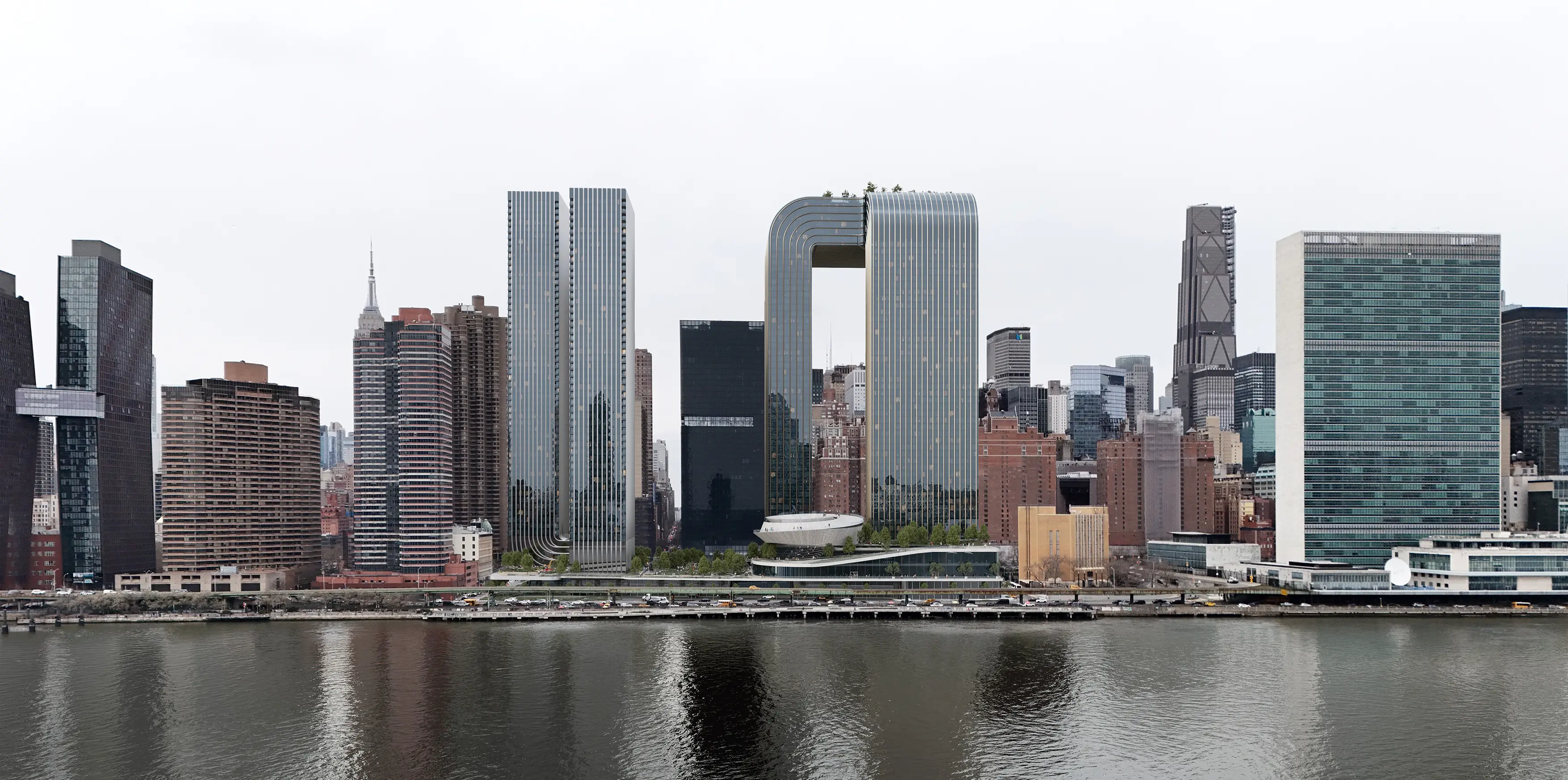
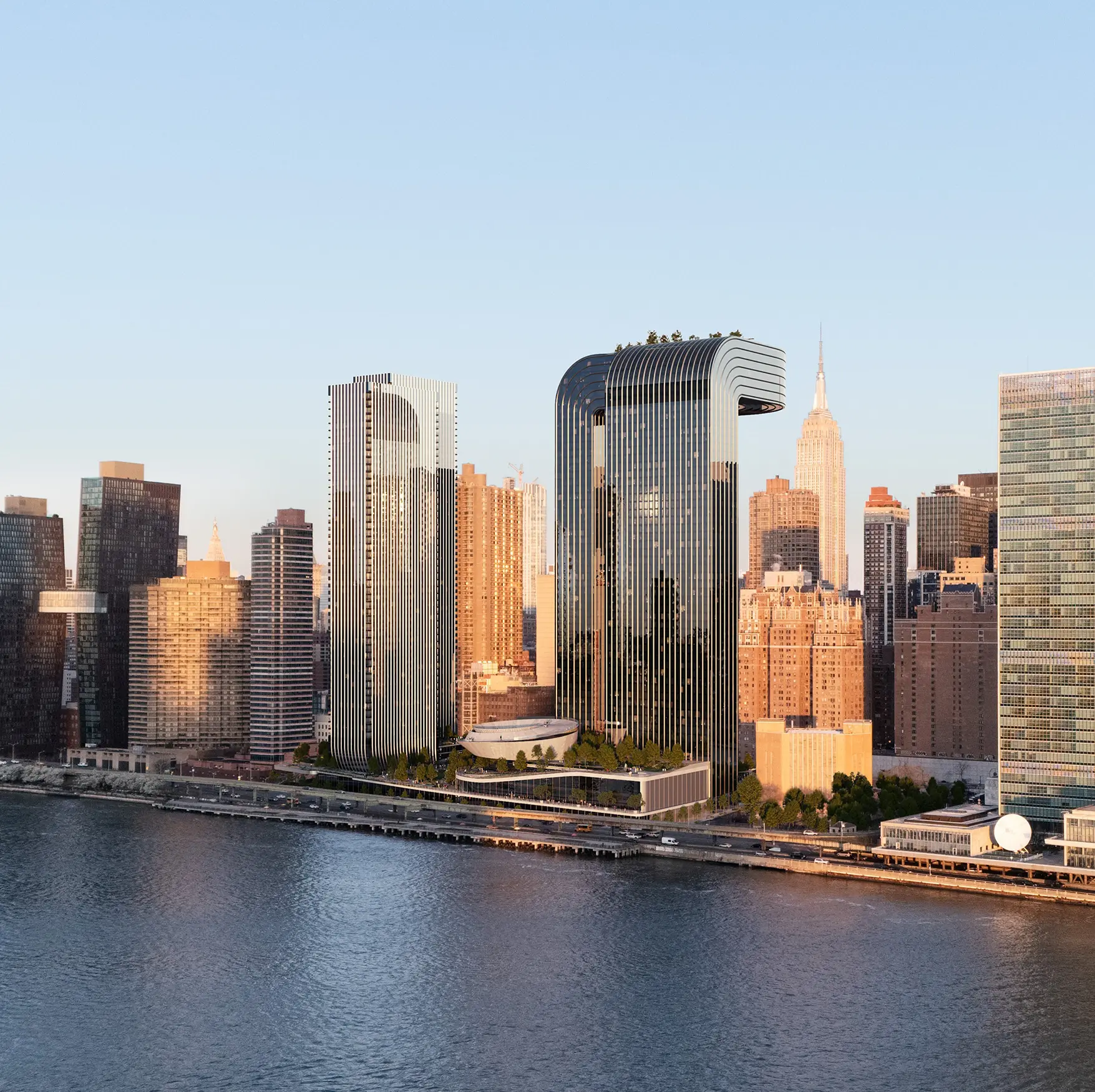
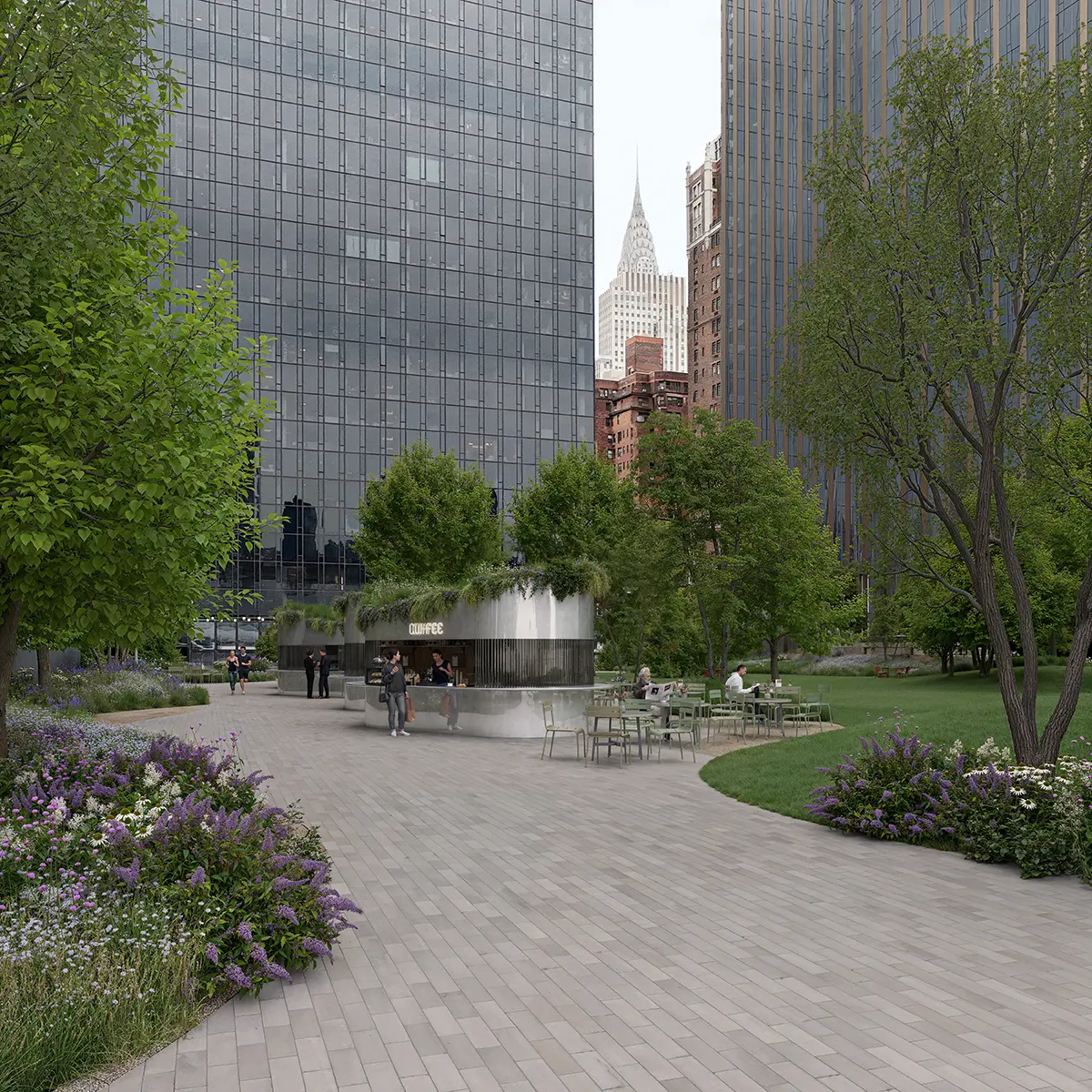
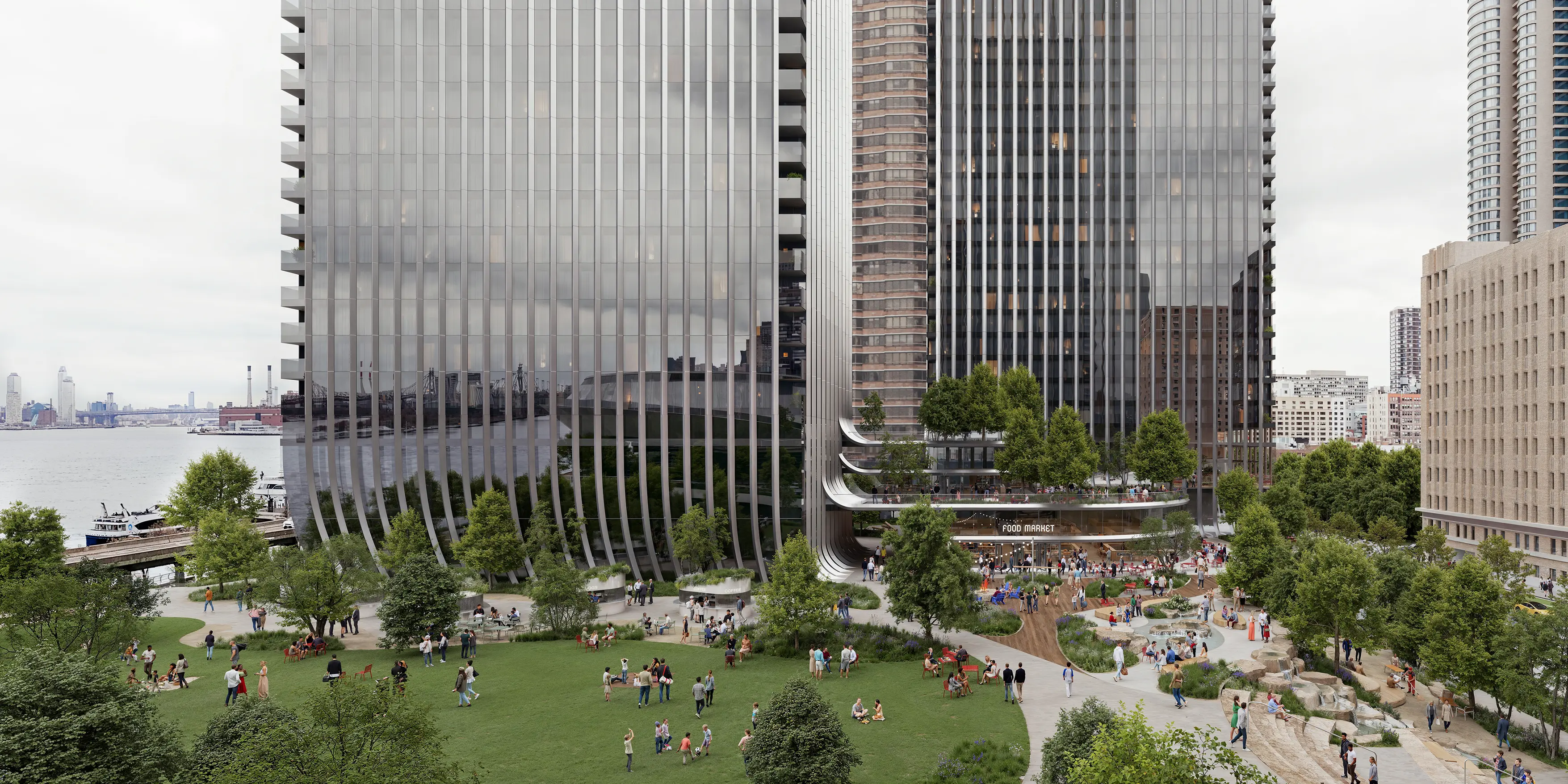
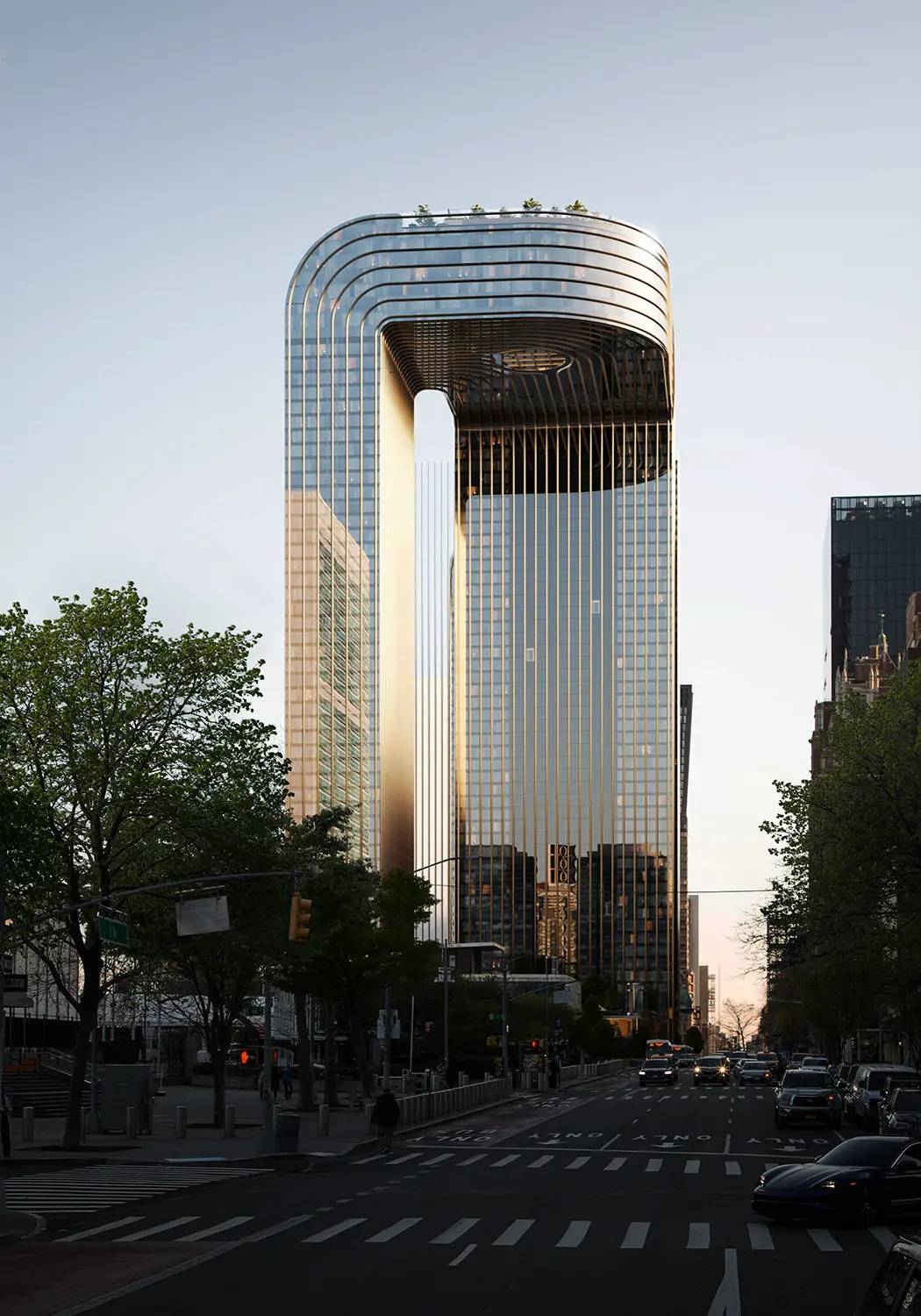
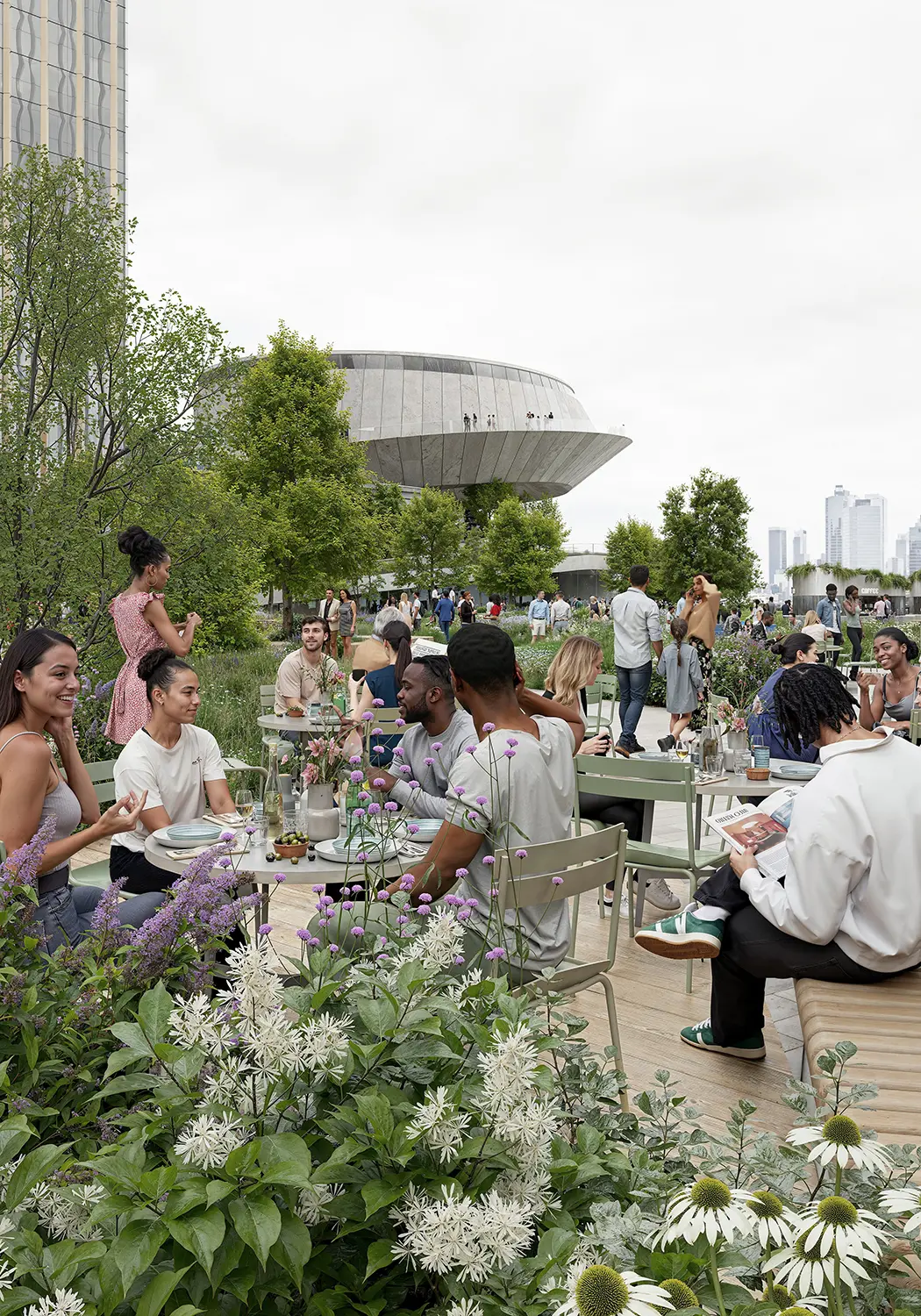
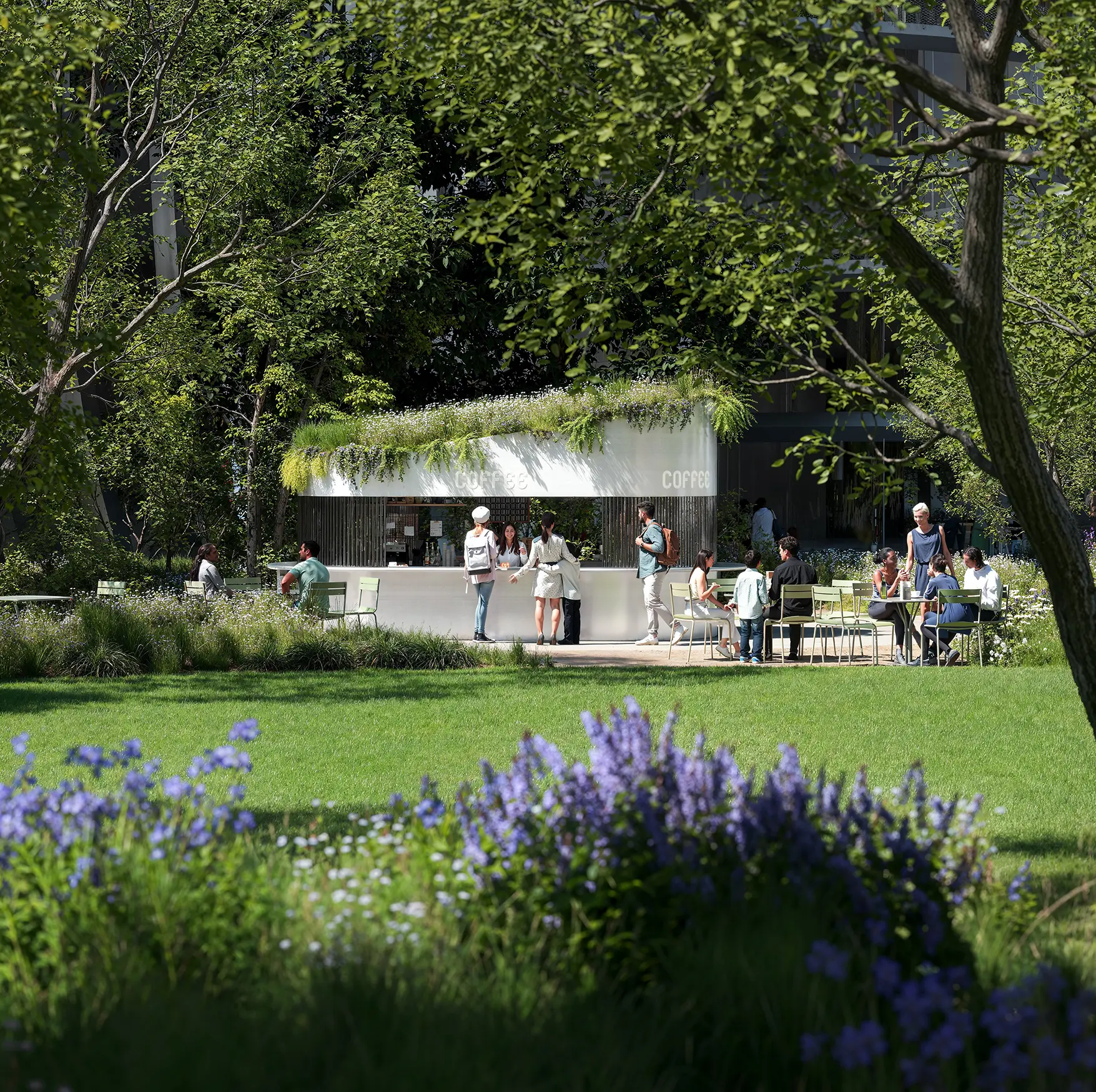
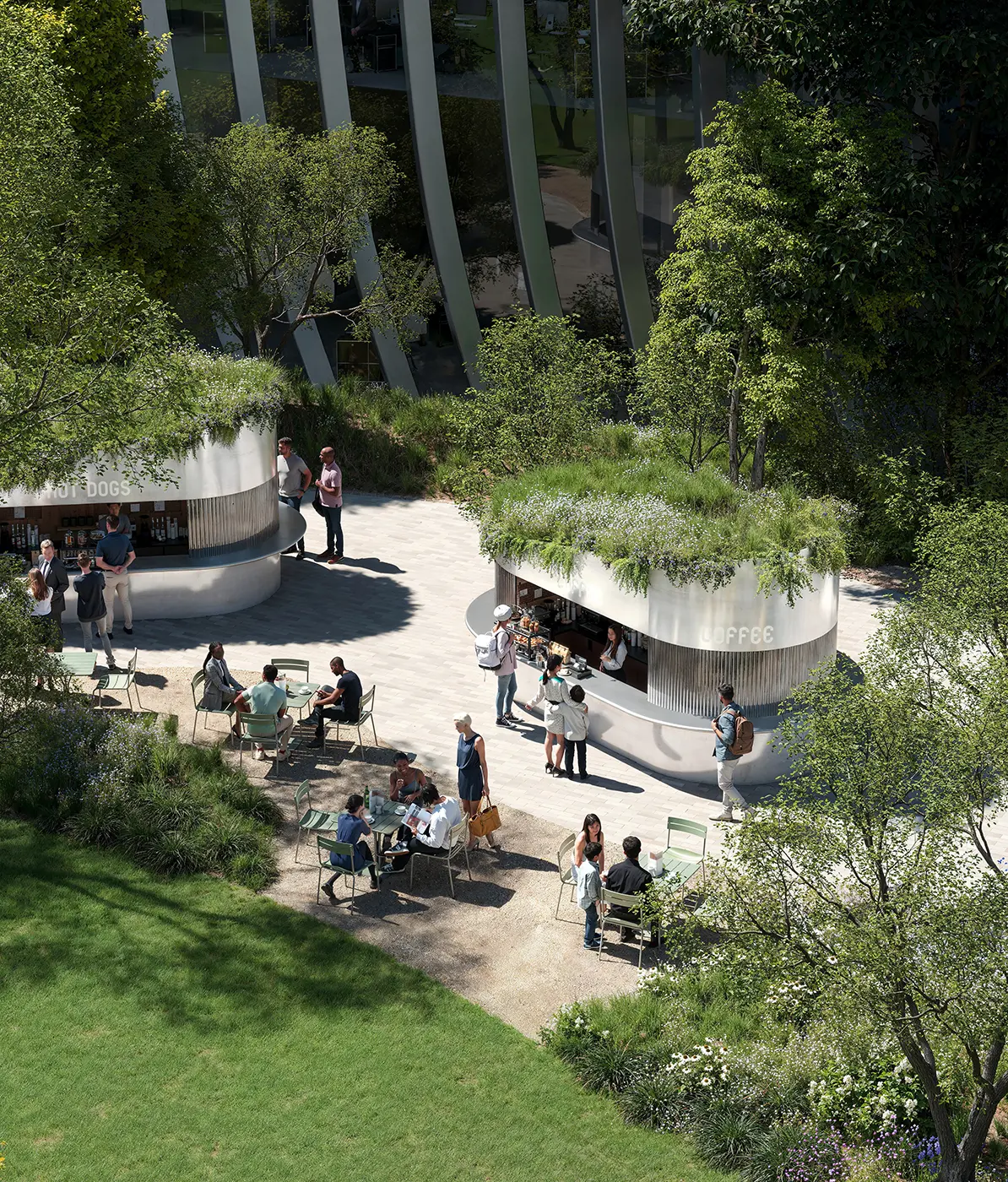
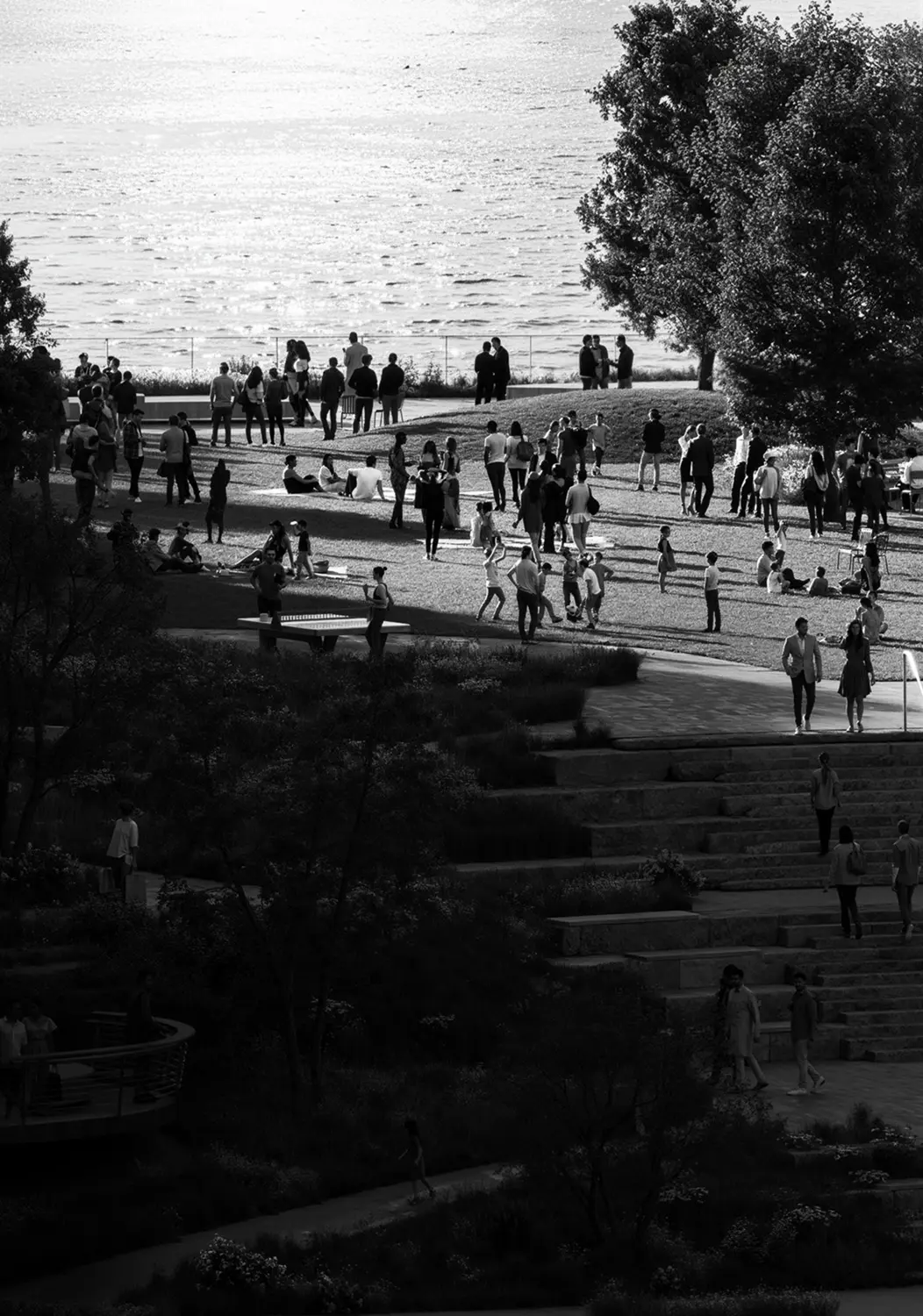
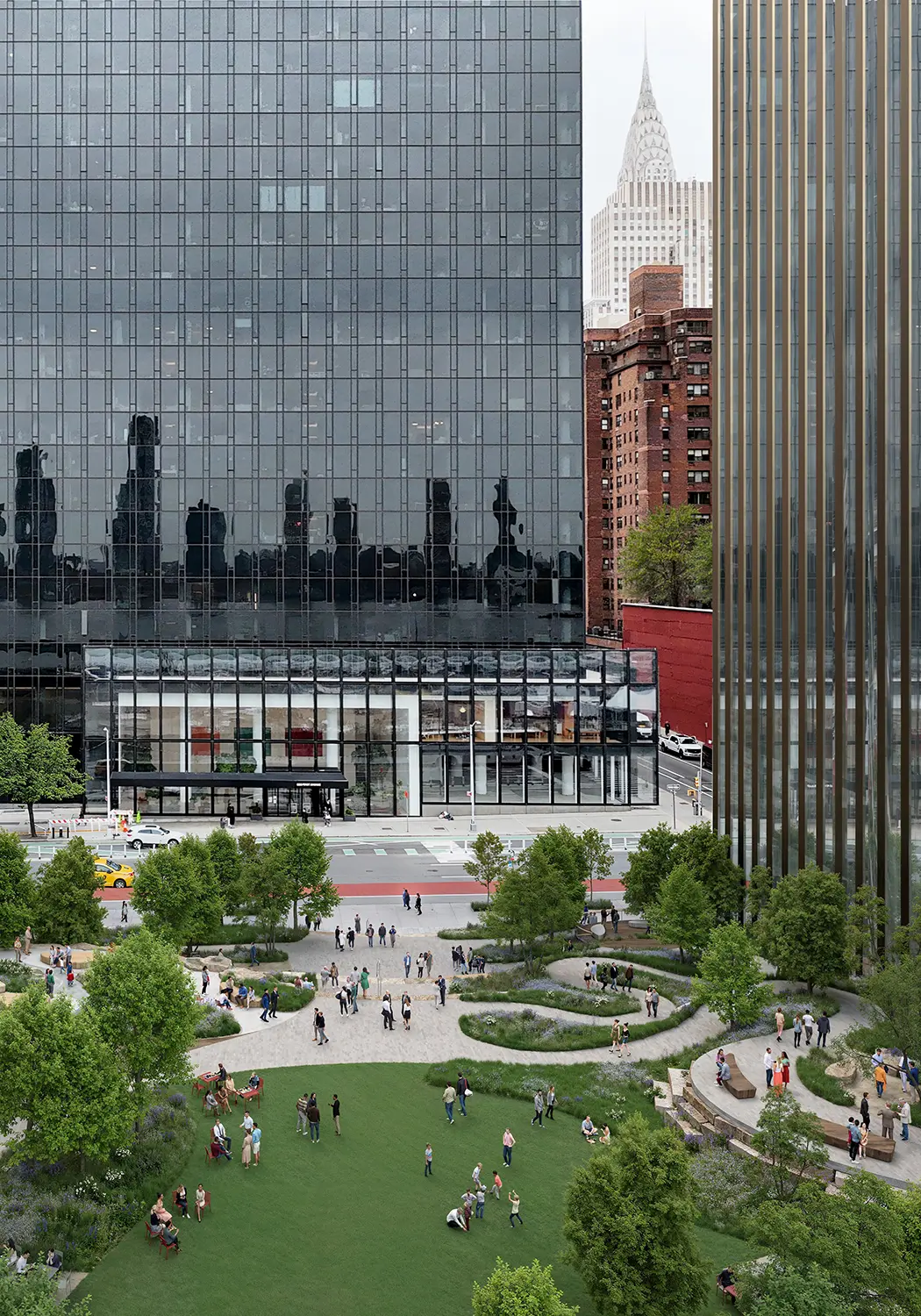
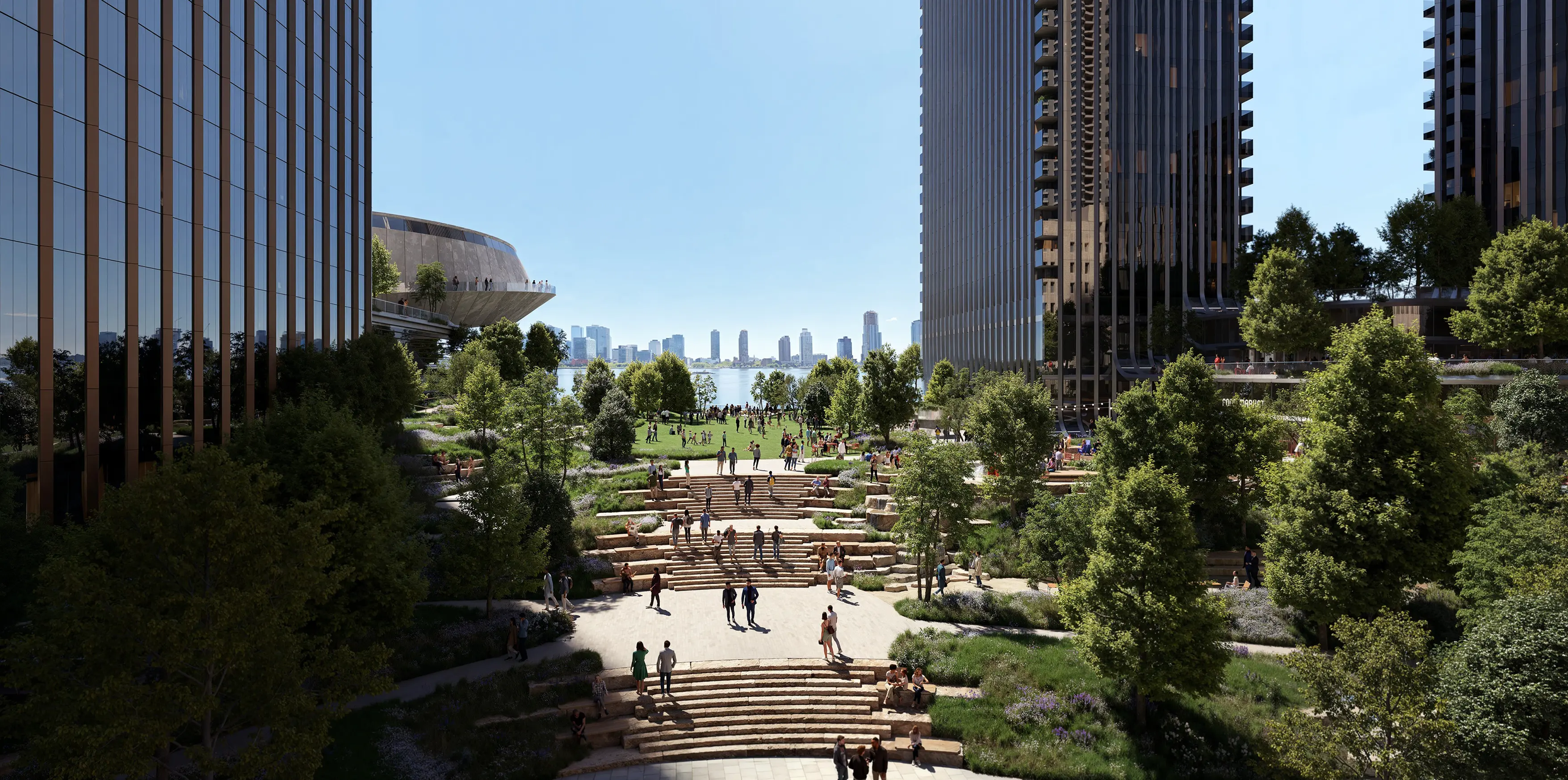
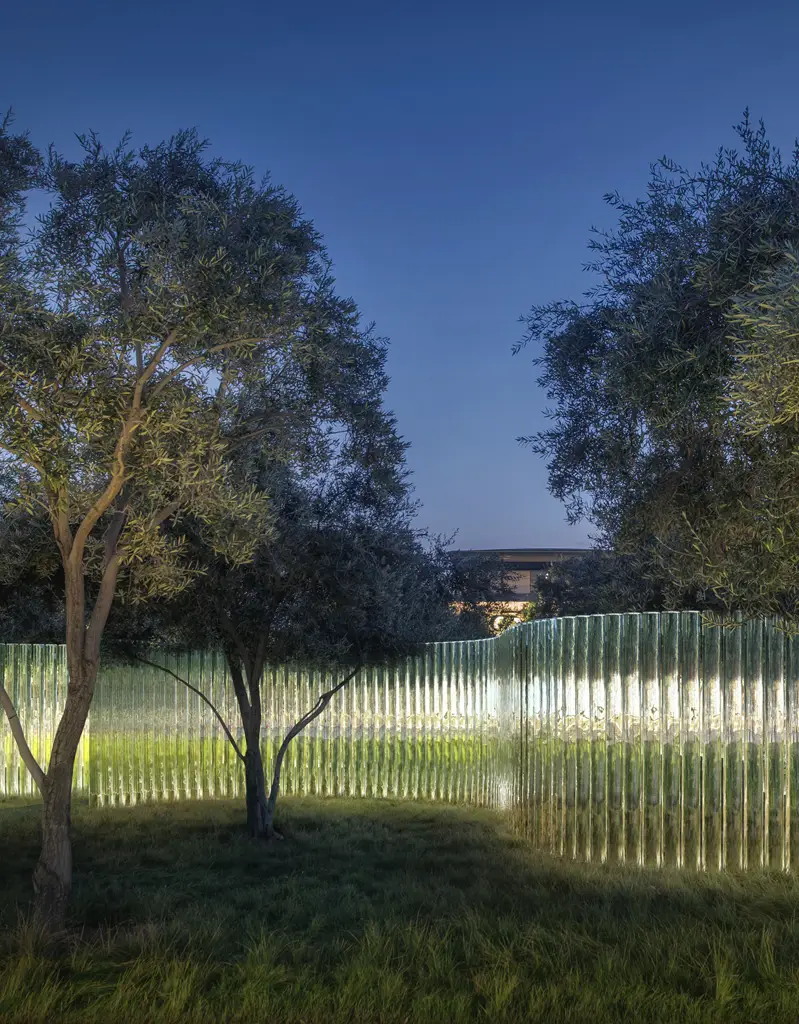
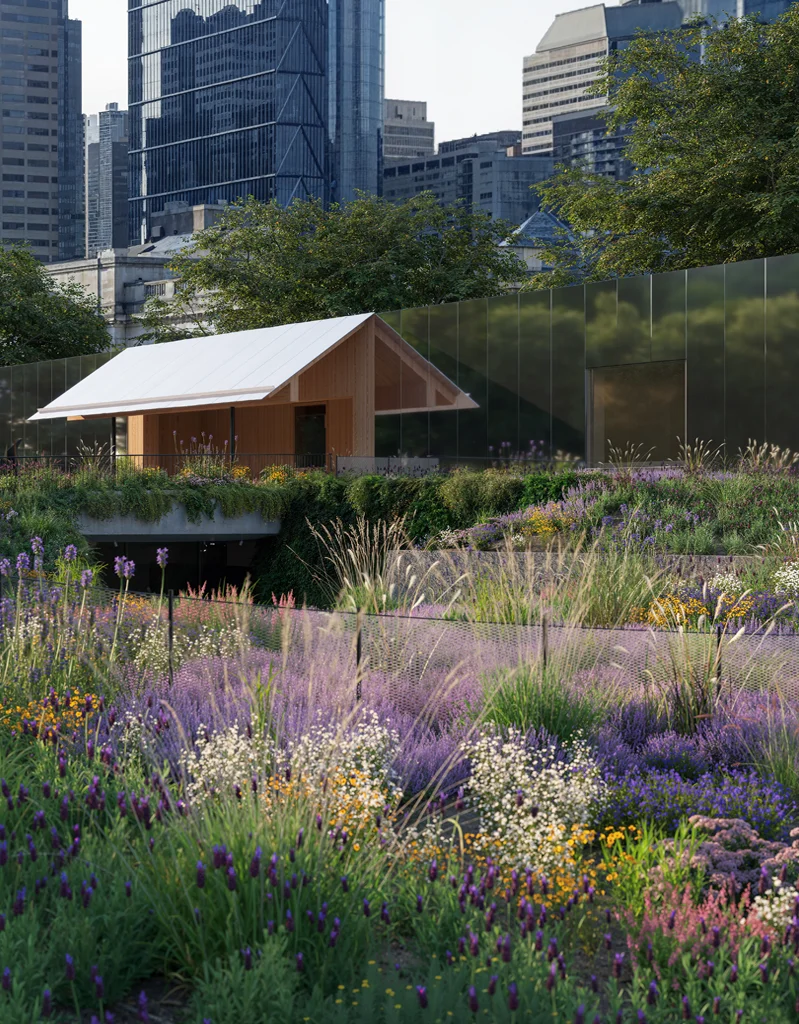
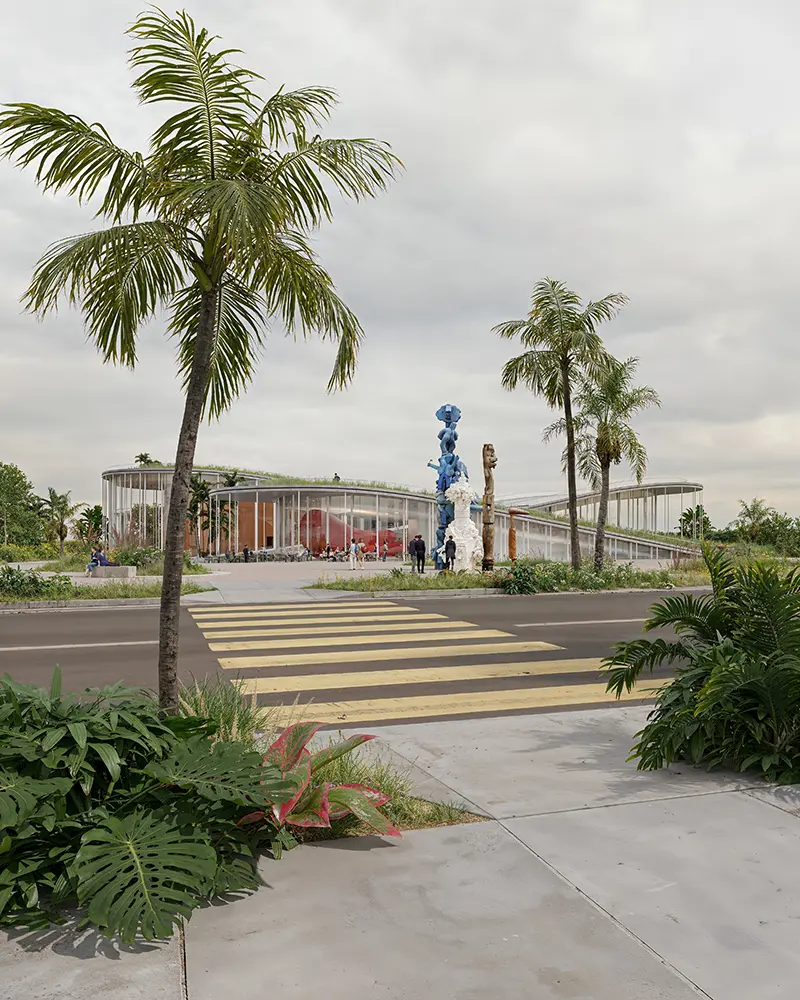
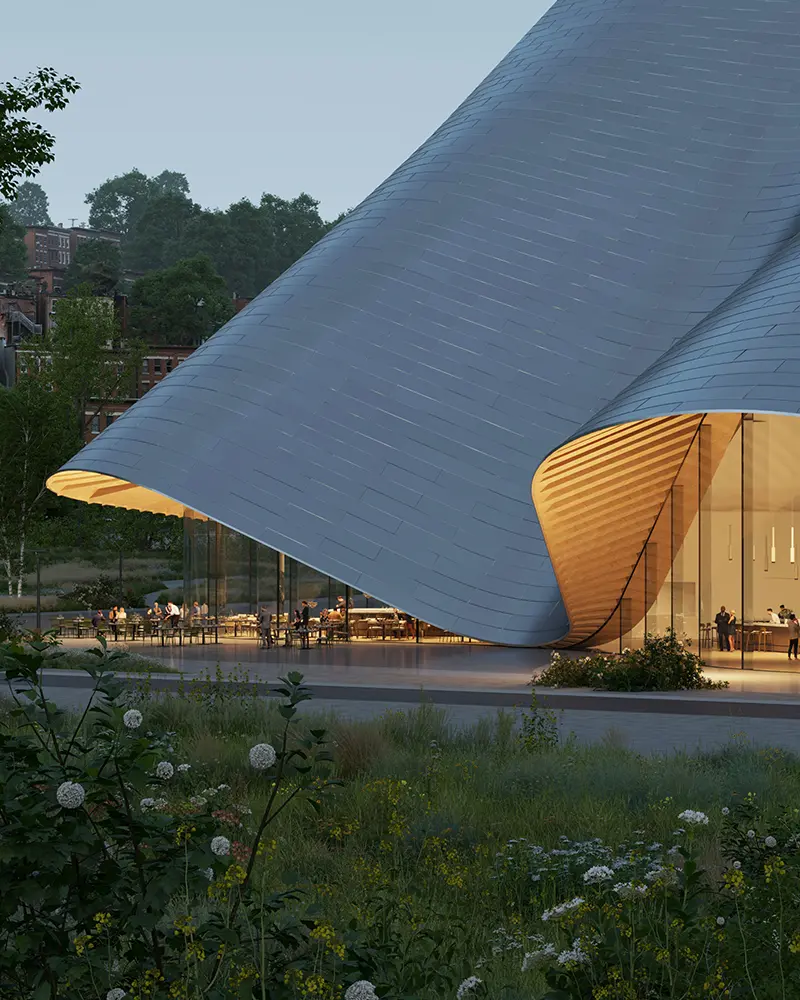
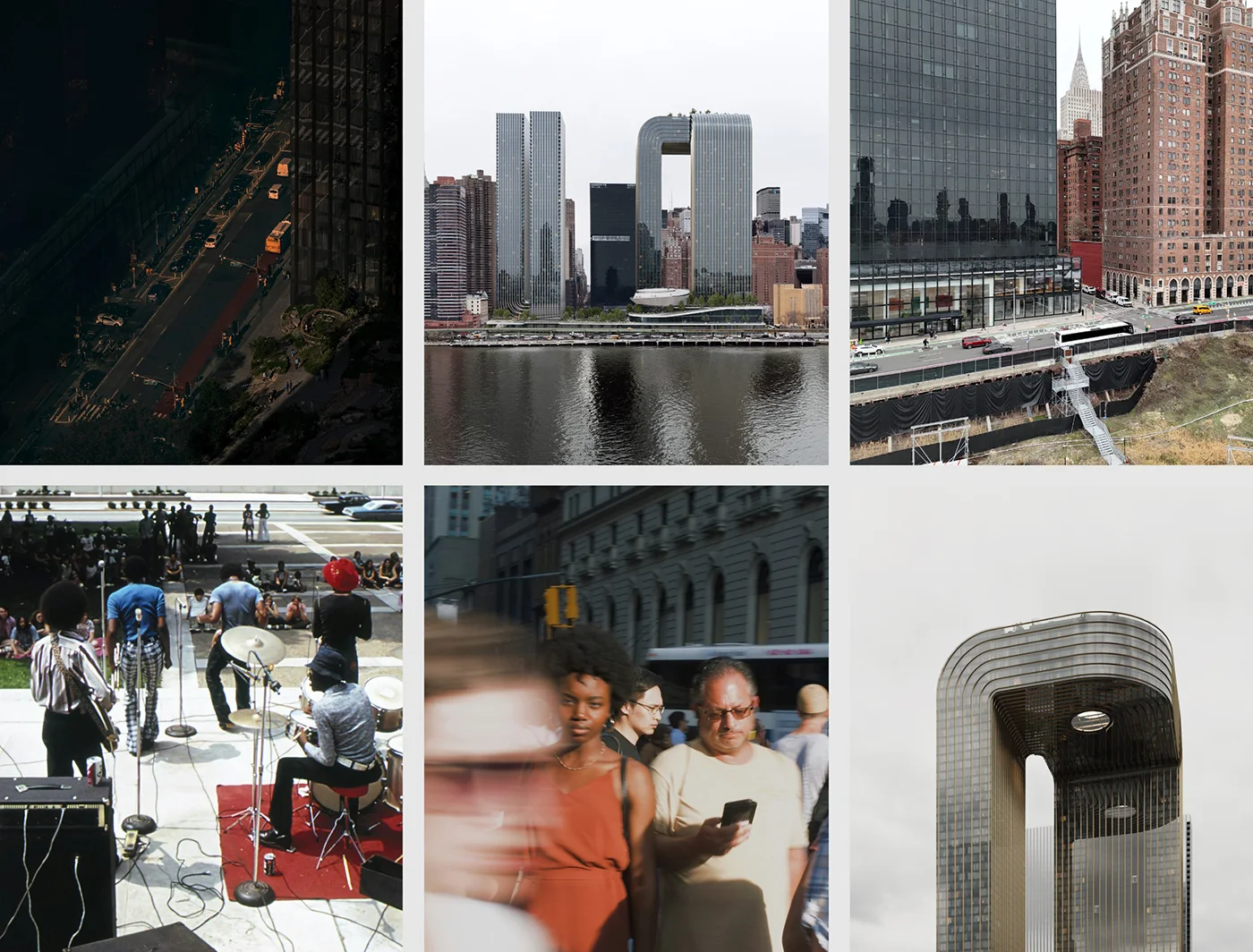
Freedom Plaza reimagines Manhattan’s East River waterfront as a civic landmark rooted in openness and access. Designed by Bjarke Ingels Group, the 4.1 million square-foot development is anchored by a 4.77-acre public park that stretches from First Avenue to the water’s edge. Elevated above a below-grade casino, the park weaves together play areas, gardens, and gathering spaces, transforming a long-neglected site into an active urban oasis. Flanked by expressive residential and hotel towers, the park serves as a democratic threshold for the city. At its edge, the Museum of Freedom and Democracy—shaped like a looping form—overlooks an amphitheater and embodies the site’s civic and symbolic ambitions.
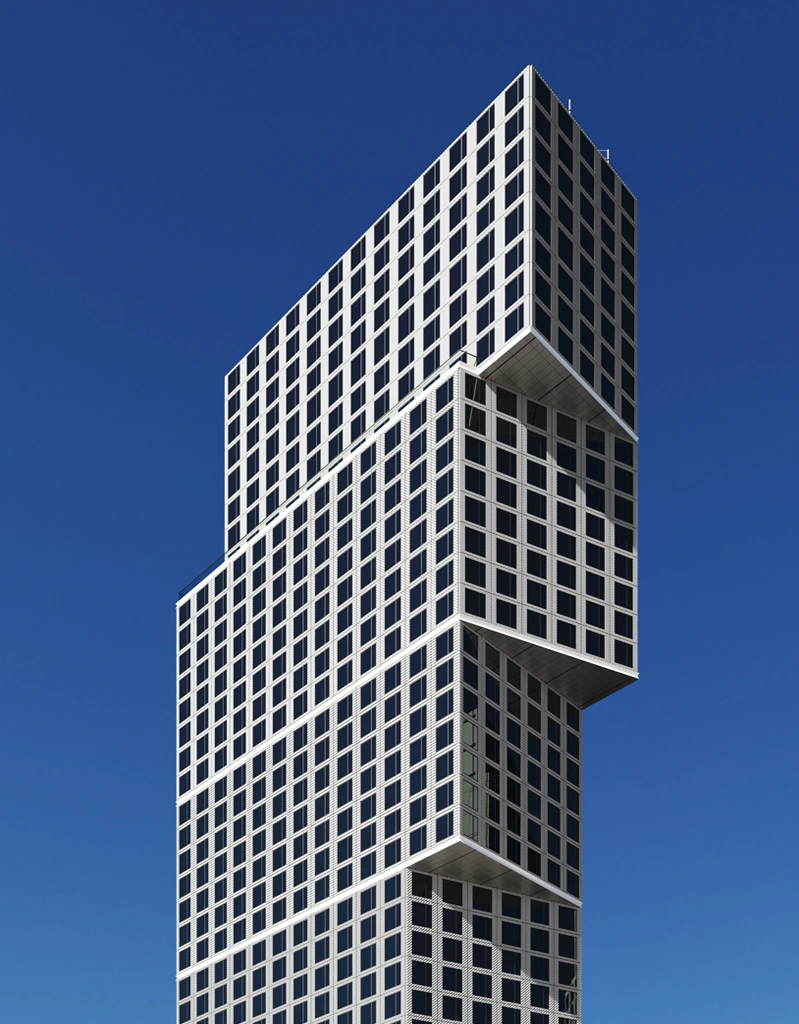
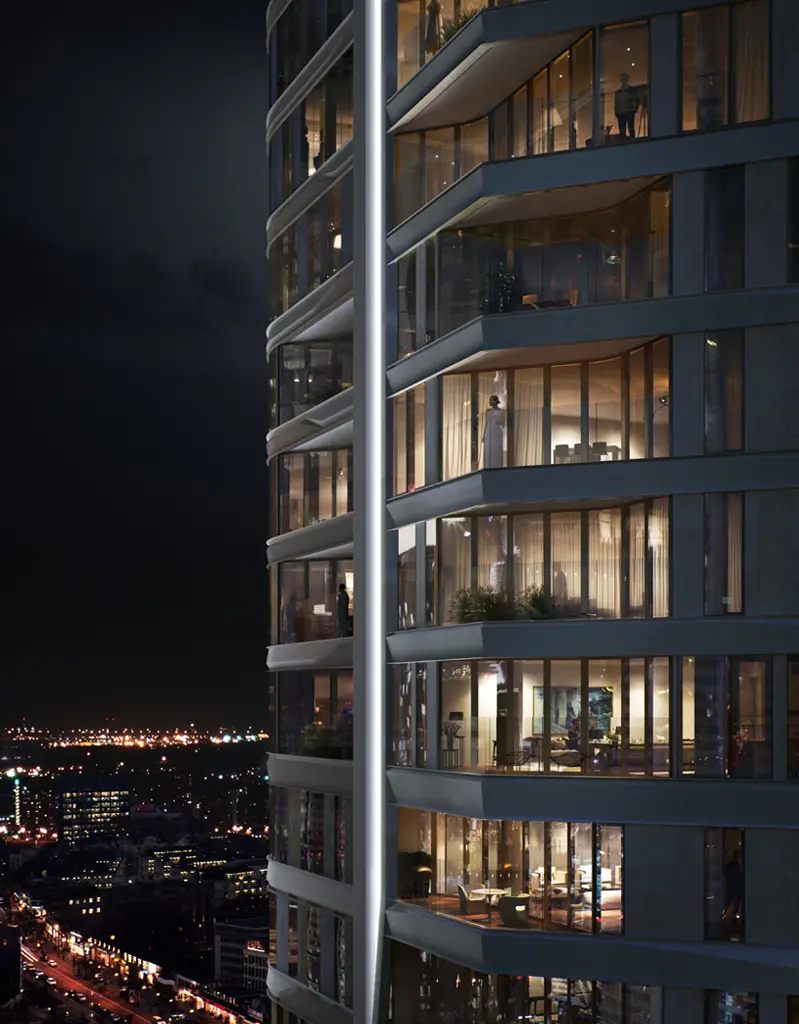
Surrounding towers balance cultural, residential, and hospitality uses in a modernist language of clean lines and warm materials. Two residential towers deliver over 1,300 units, nearly 40% of them affordable. A pair of hotel towers, linked by a skybridge with wellness, dining, and art spaces, house New York’s first Banyan Tree and Mohegan-branded hotels. By tucking all podium functions—parking, retail, gaming—below ground, the project preserves the park’s openness, a rare move for developments of this scale. With net-zero operational goals and embedded environmental strategies, Freedom Plaza is both a skyline-defining gesture and a bold vision for urban equity and sustainability.
Visual Narrative
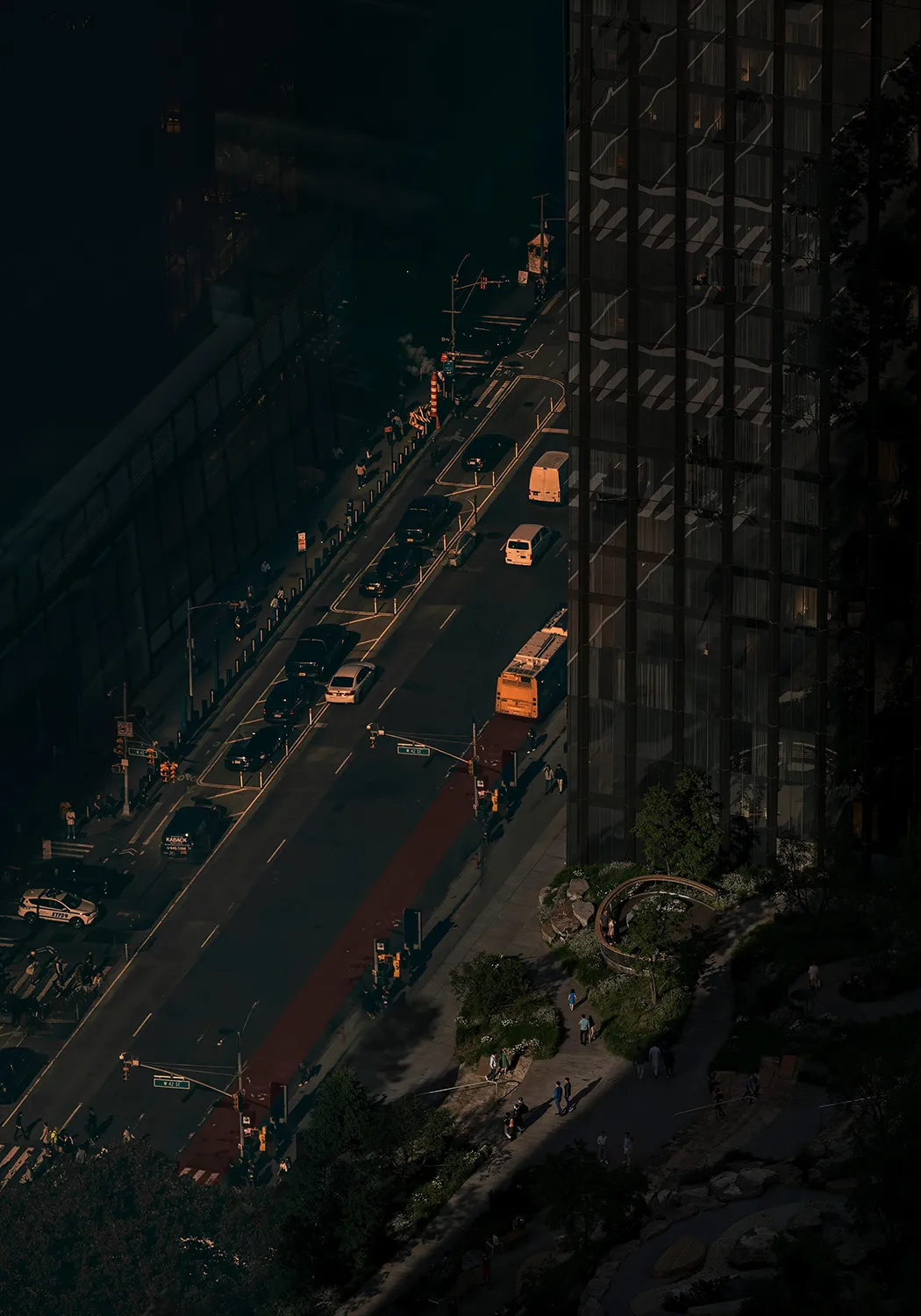
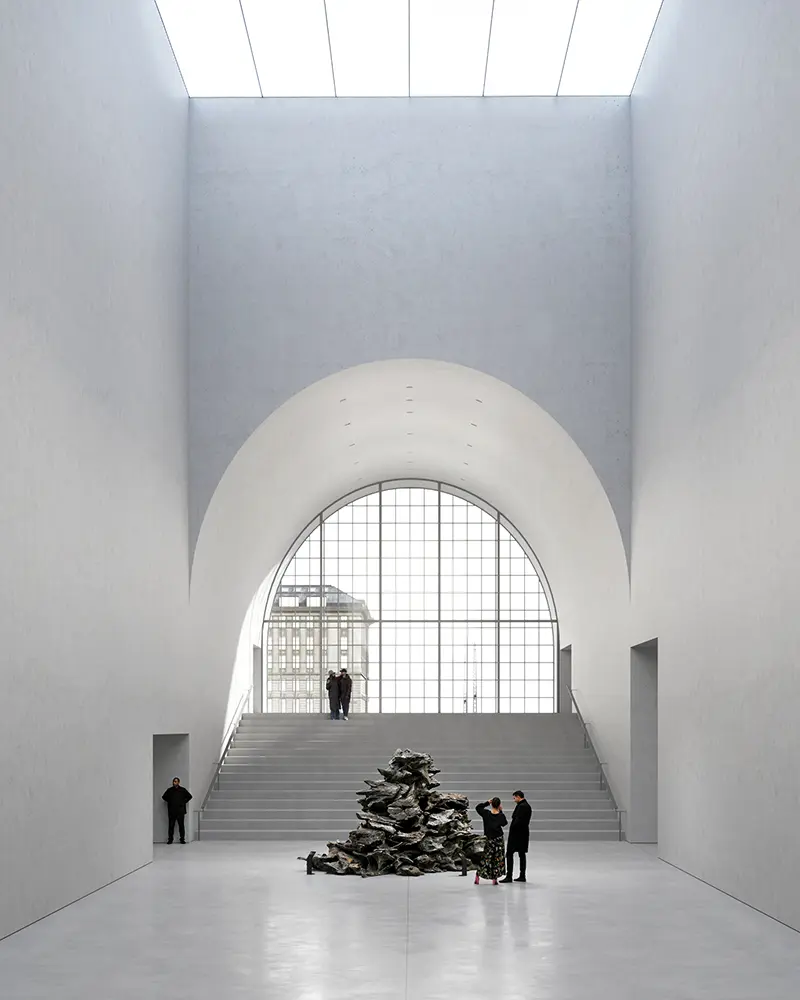
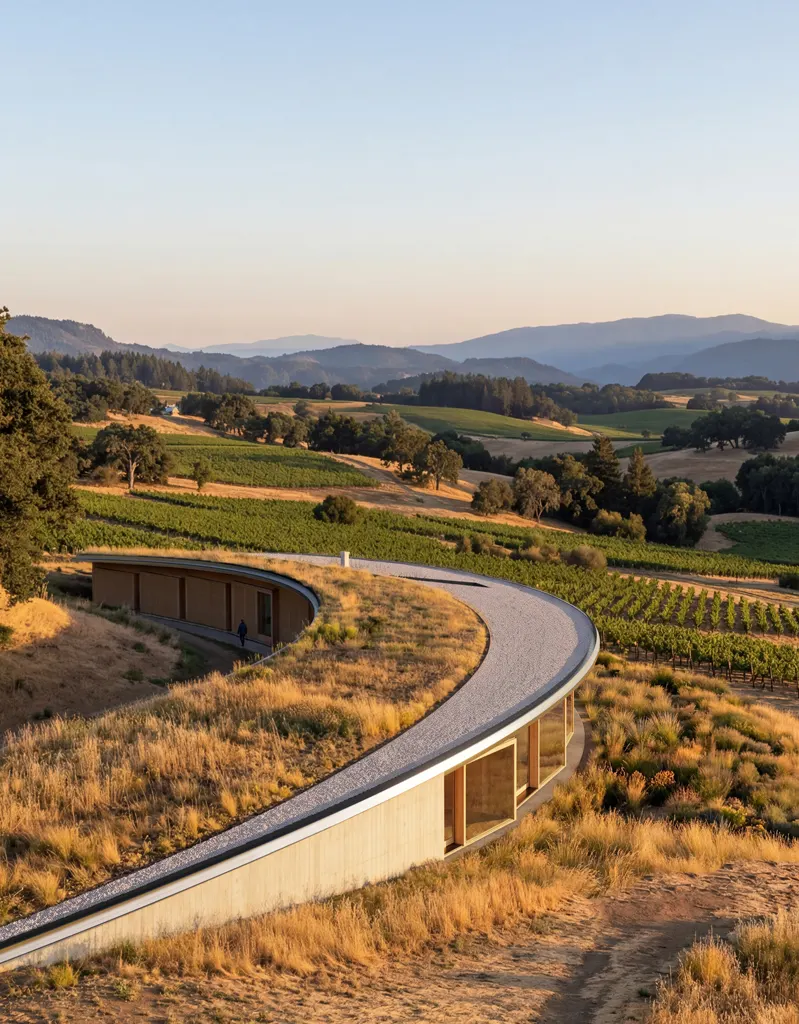
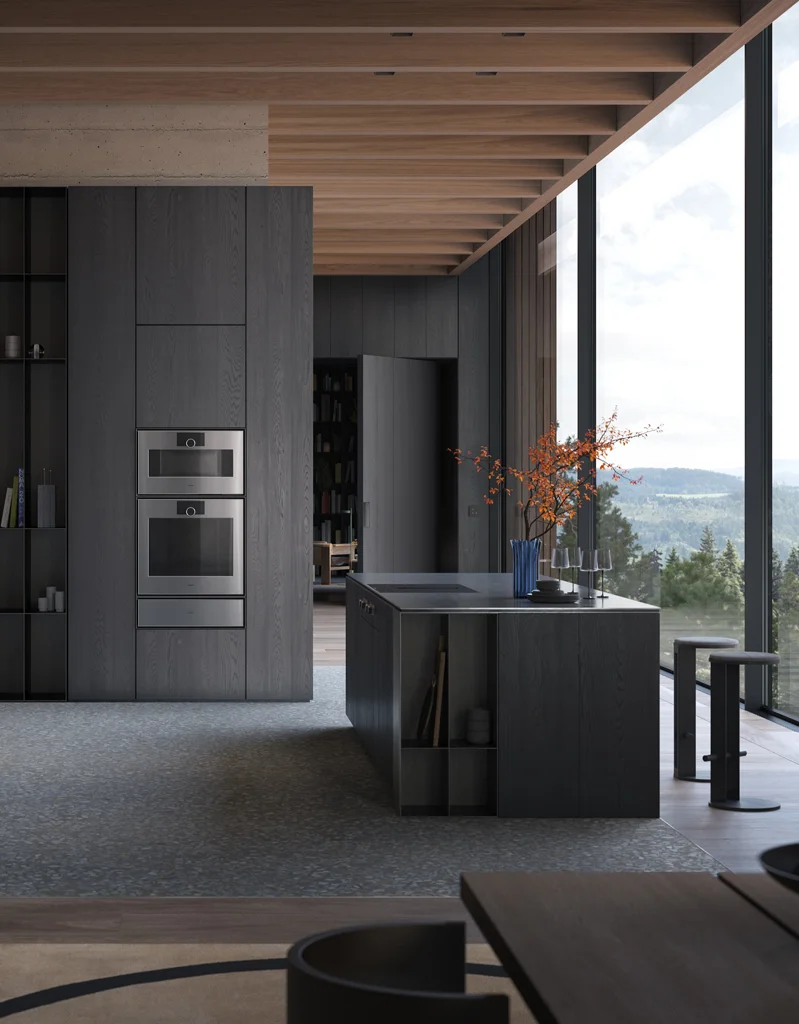
Bloom’s images, sketches, and references explore how a project of this scale both shapes and is shaped by the city around it. Sometimes the architecture is revealed in full; other times, it’s partially obscured by its surroundings—mirroring the way we encounter New York itself. At moments, the scale is overwhelming; at others, it’s reduced to a single texture, detail, or reflection. The visuals follow a rhythm of compression and release, guiding the viewer through the evolving relationship between built form and open space set in an iconic urban context.
This narrative unfolds in a series of visual “acts,” each evoking a different urban mood: the optimism of a clear morning, the tension of a cloudy afternoon, and the cinematic glow of night. These changing atmospheres reflect the dynamic life of the city—a place in constant motion, where clarity and disorientation often coexist.
Freedom Plaza reimagines Manhattan’s East River waterfront as a civic landmark rooted in openness and access. Designed by Bjarke Ingels Group, the 4.1 million square-foot development is anchored by a 4.77-acre public park that stretches from First Avenue to the water’s edge. Elevated above a below-grade casino, the park weaves together play areas, gardens, and gathering spaces, transforming a long-neglected site into an active urban oasis.