Calder Gardens
Herzog & de Meuron, Philadelphia
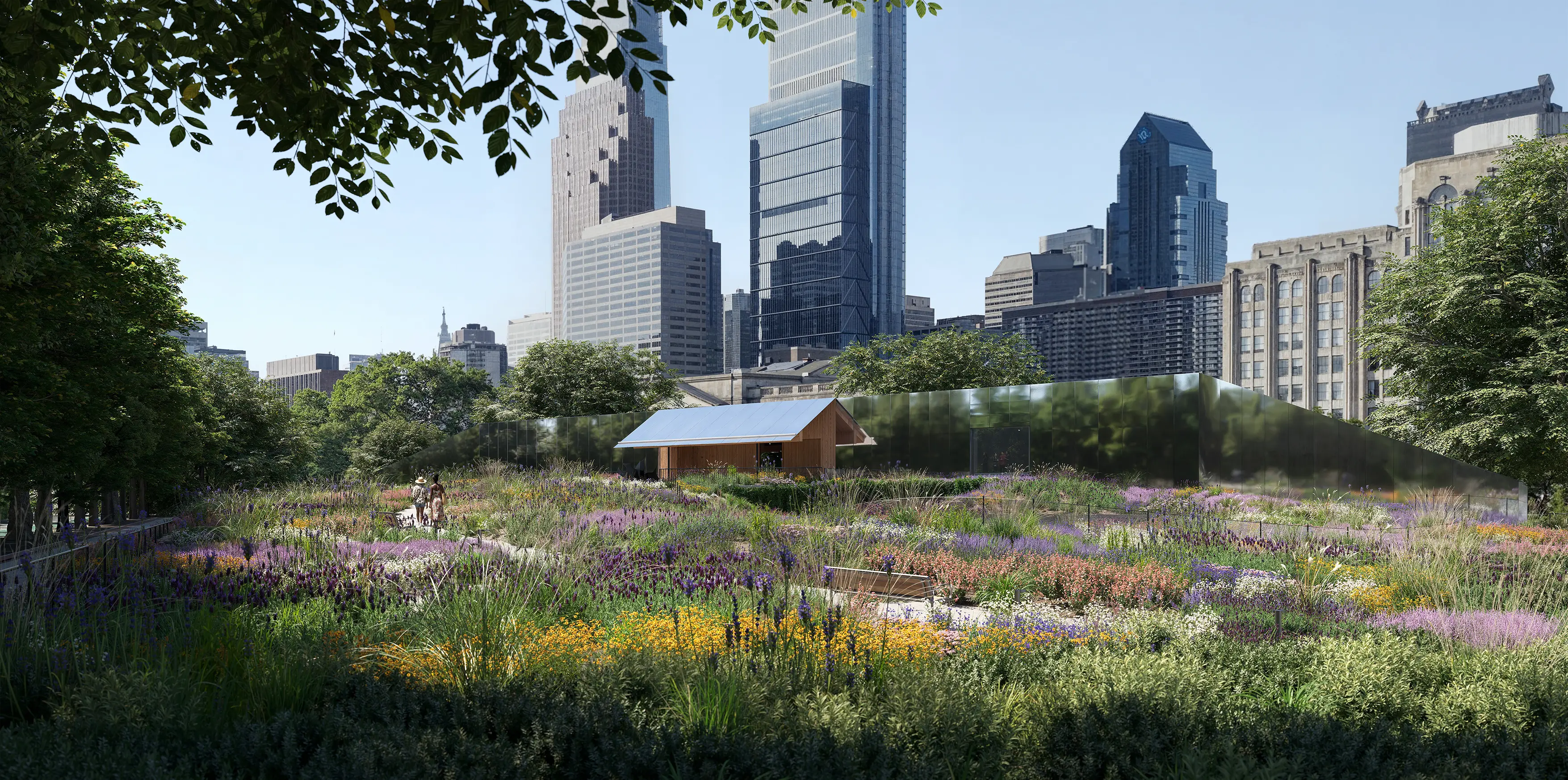
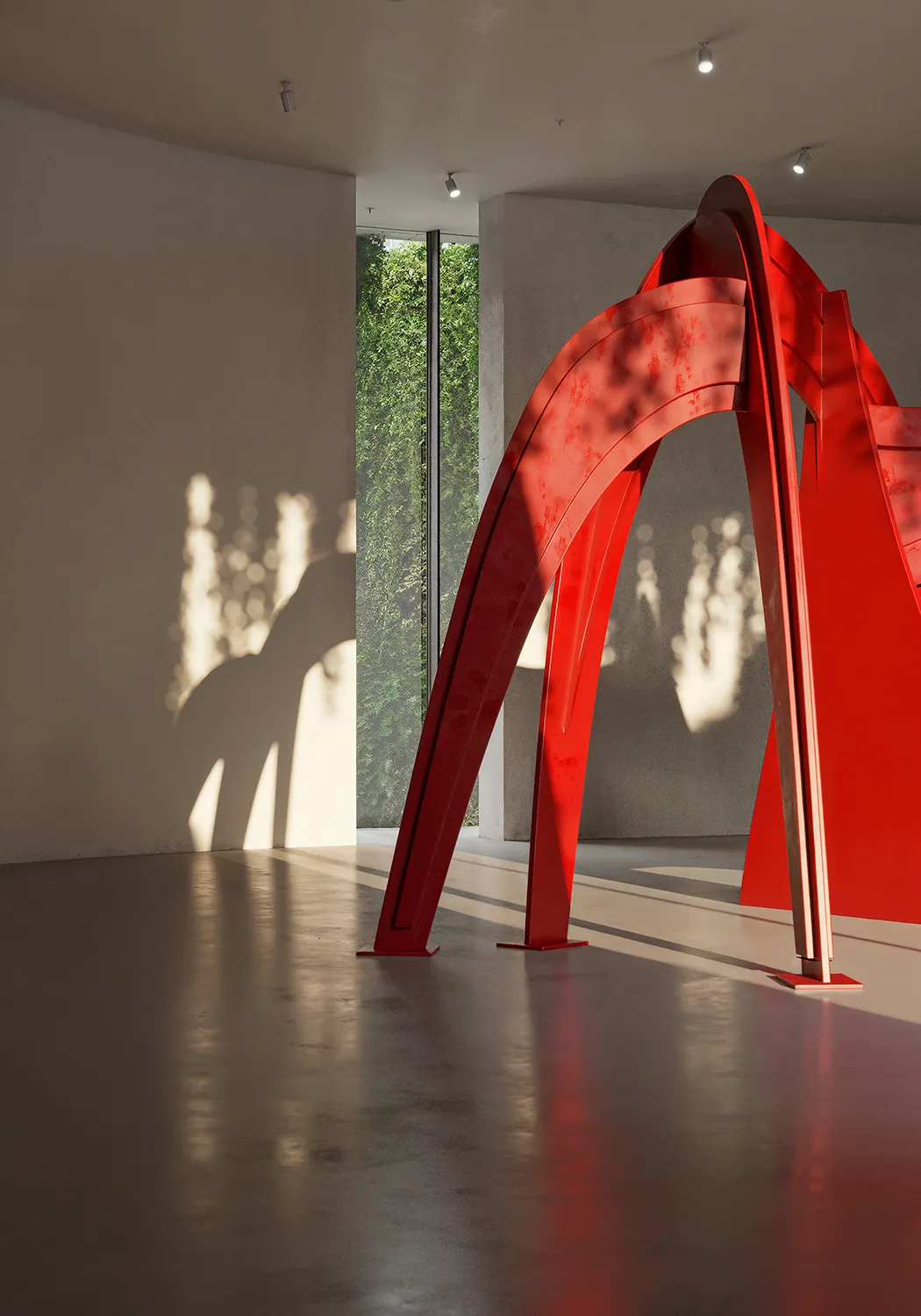
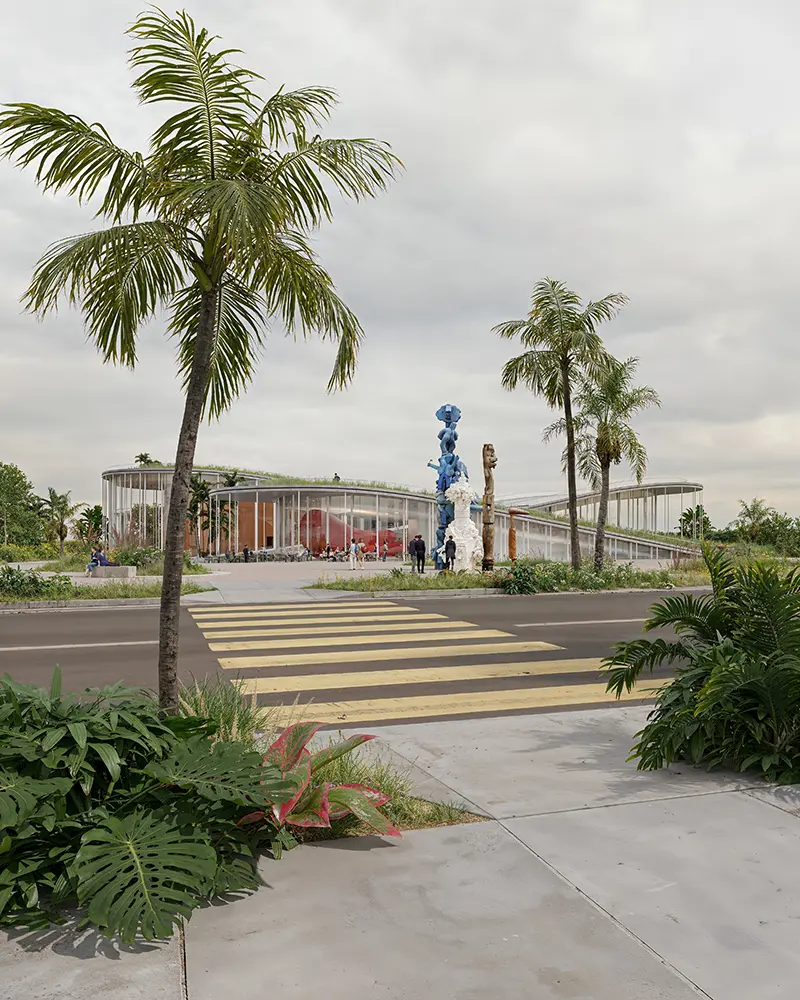
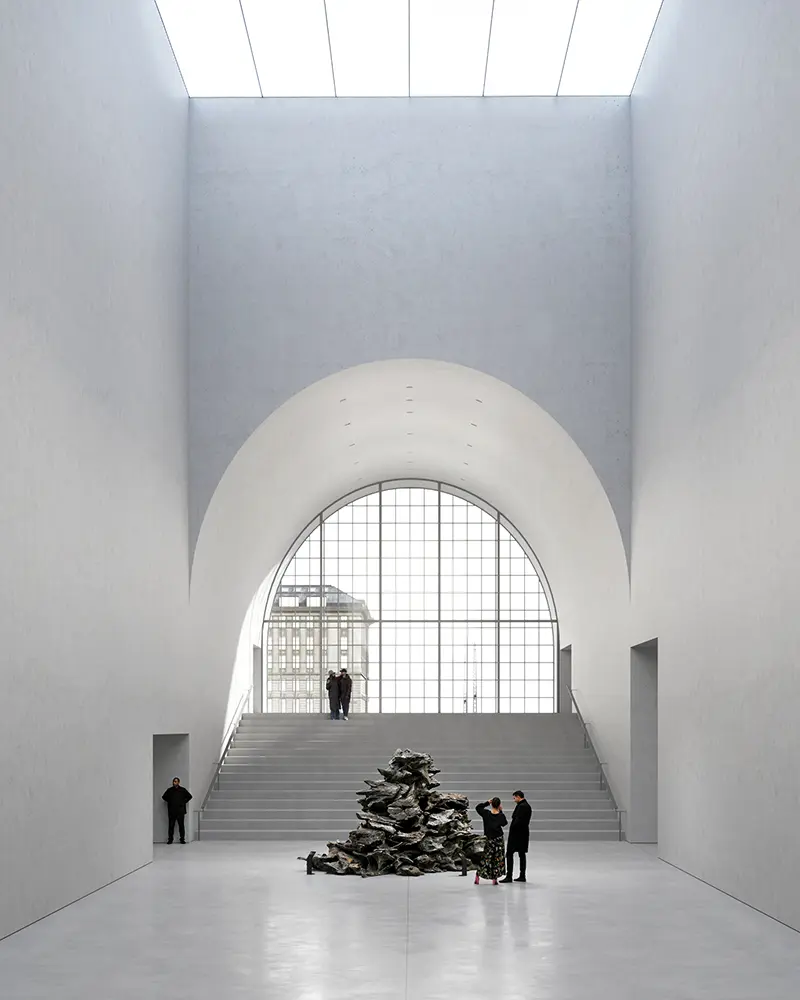
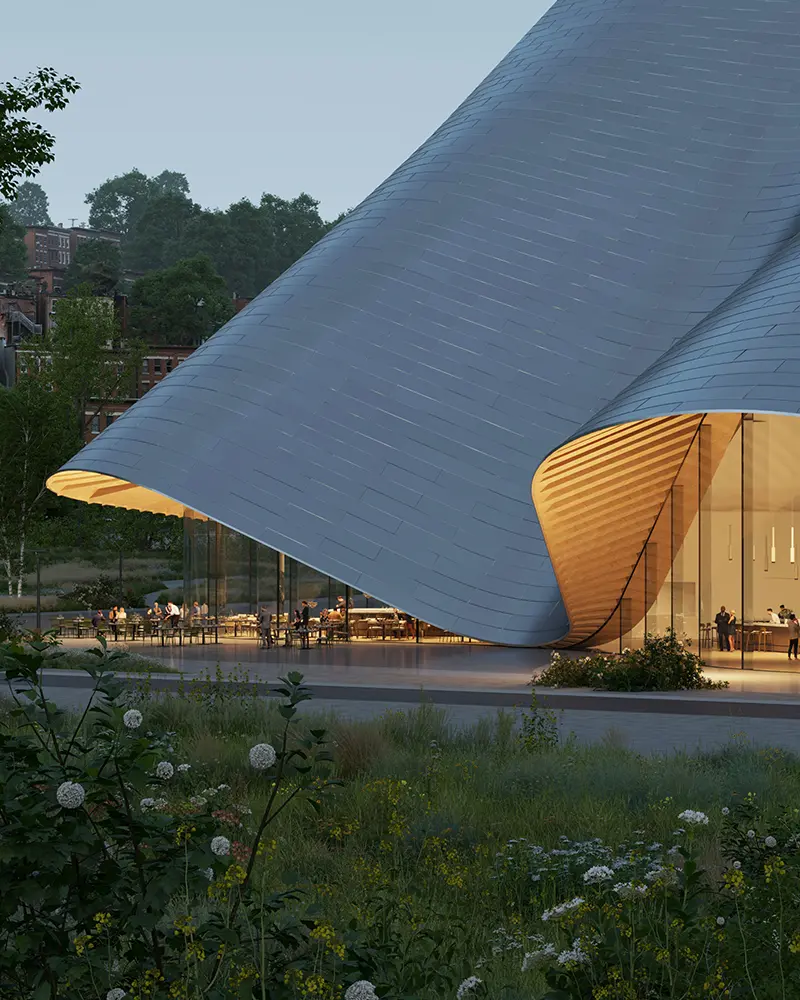
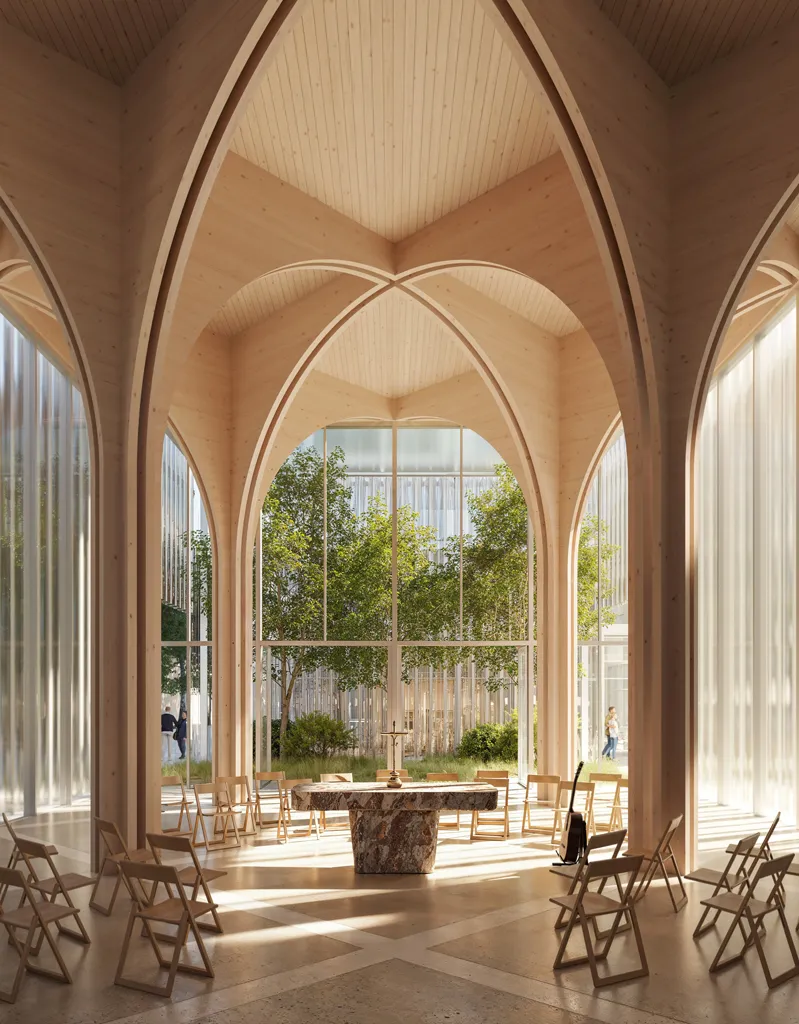
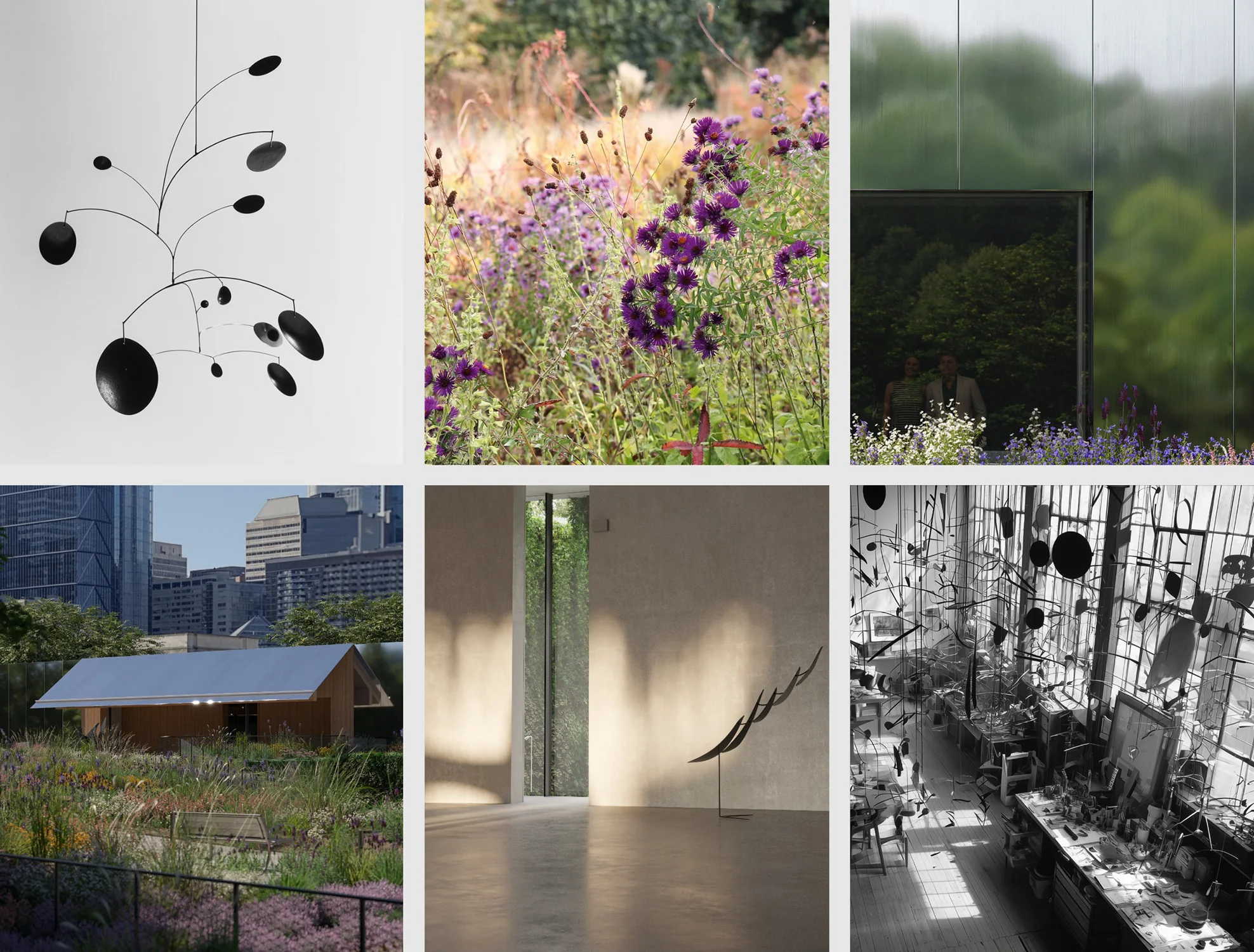
Calder Gardens is not a conventional museum. From the beginning the client wanted a space that would provide a totally new, intimate and ever-changing encounter with the work of Alexander Calder. While the building is still tasked with the typical technical requirements of a traditional museum, it is conceived as a new type of place for being with art: a place that provides an interplay between art, architecture, nature, people, and the surrounding city.
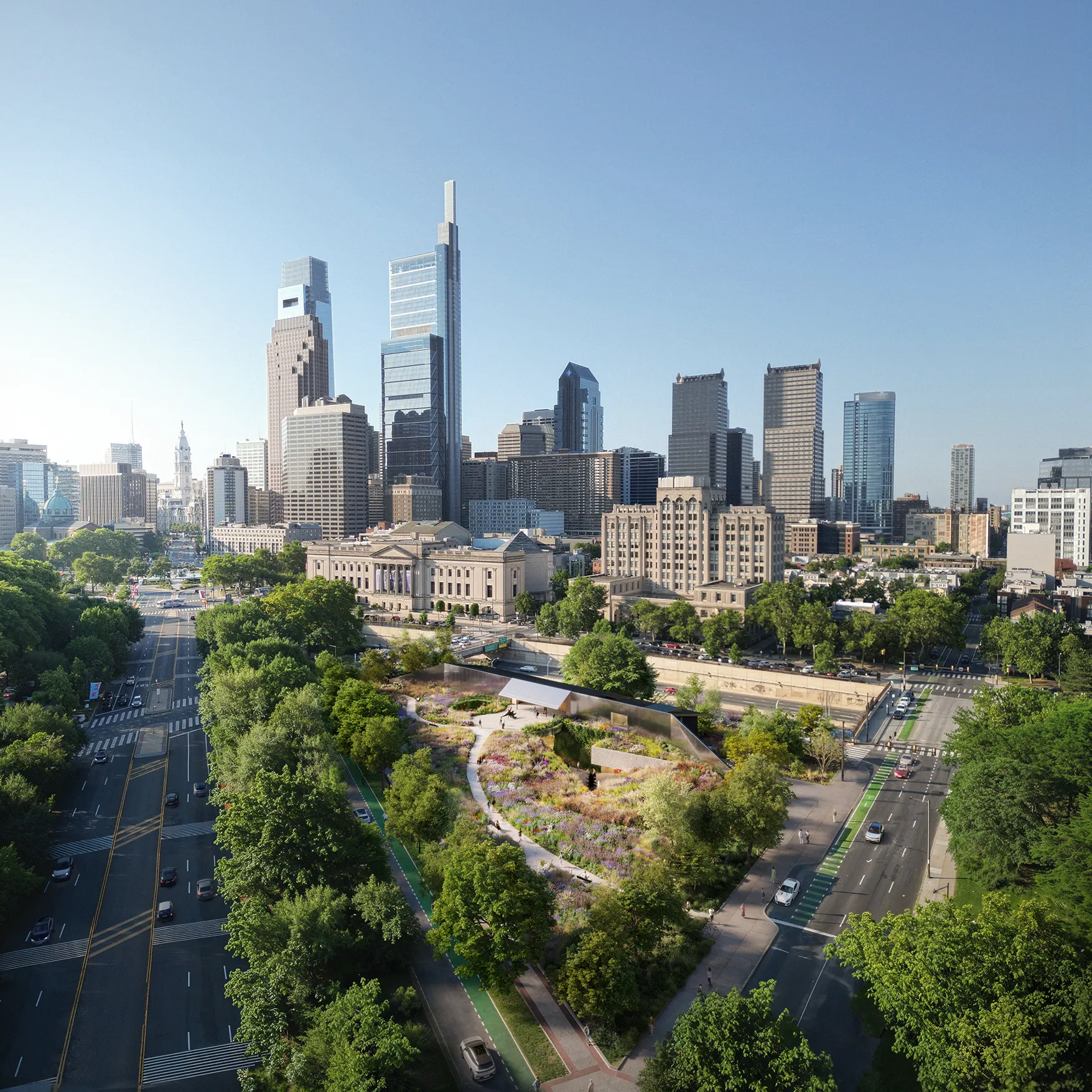
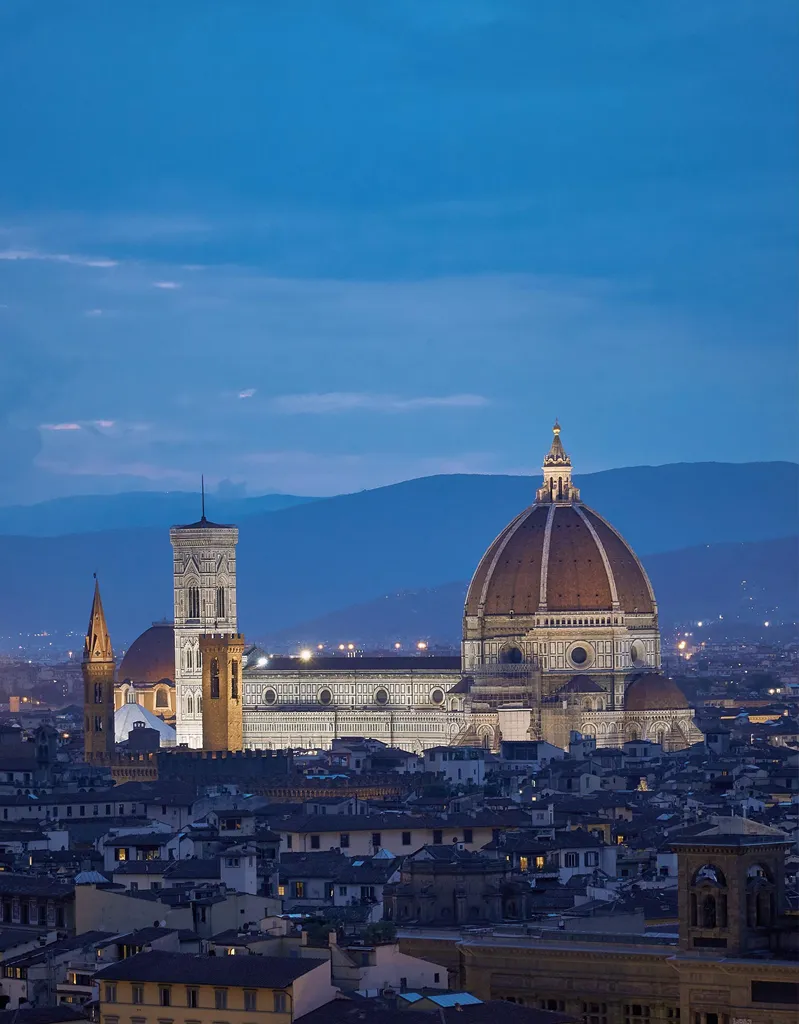
Philadelphia is Calder’s birth city and was the home of two previous generations of Calders who, as artists, left their own impressions on the city. Their sculptures can be found along the Benjamin Franklin Parkway, a boulevard that is a product of the 19th century ‘city beautiful’ movement and is anchored by two of America’s most remarkable museums, the Philadelphia Museum of Art and the Barnes Foundation.
The site of Calder Gardens is a flat, tapered piece of land located across the broad Parkway from the Rodin Museum and the Barnes Foundation. A highway offramp extends along its long southern edge while 22nd Street to the west and 21st Street to the east are primarily used as vehicular throughways. Despite its central location, the site is a leftover space without much obvious charm. Creating a destination within this urban void was a central challenge for the project.
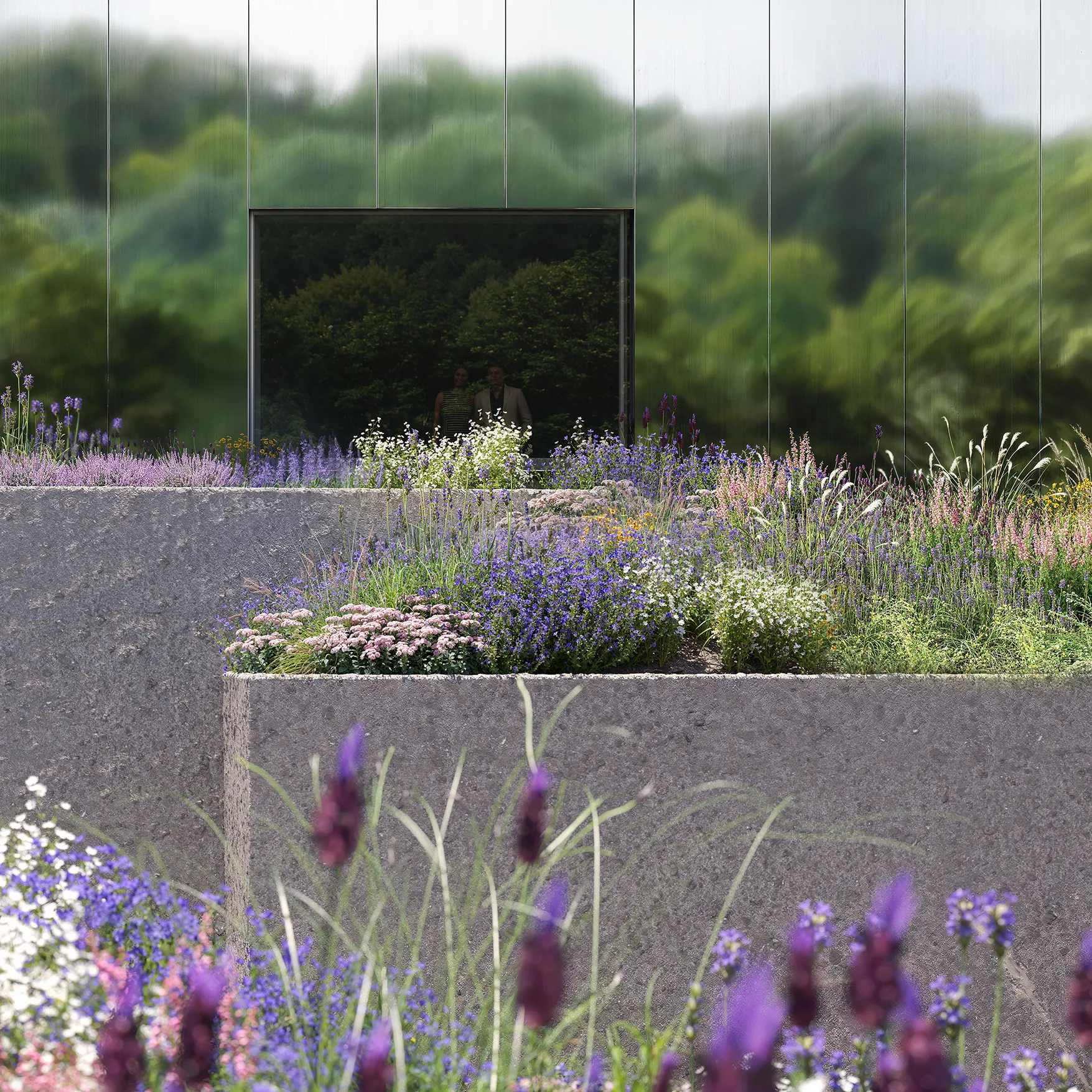
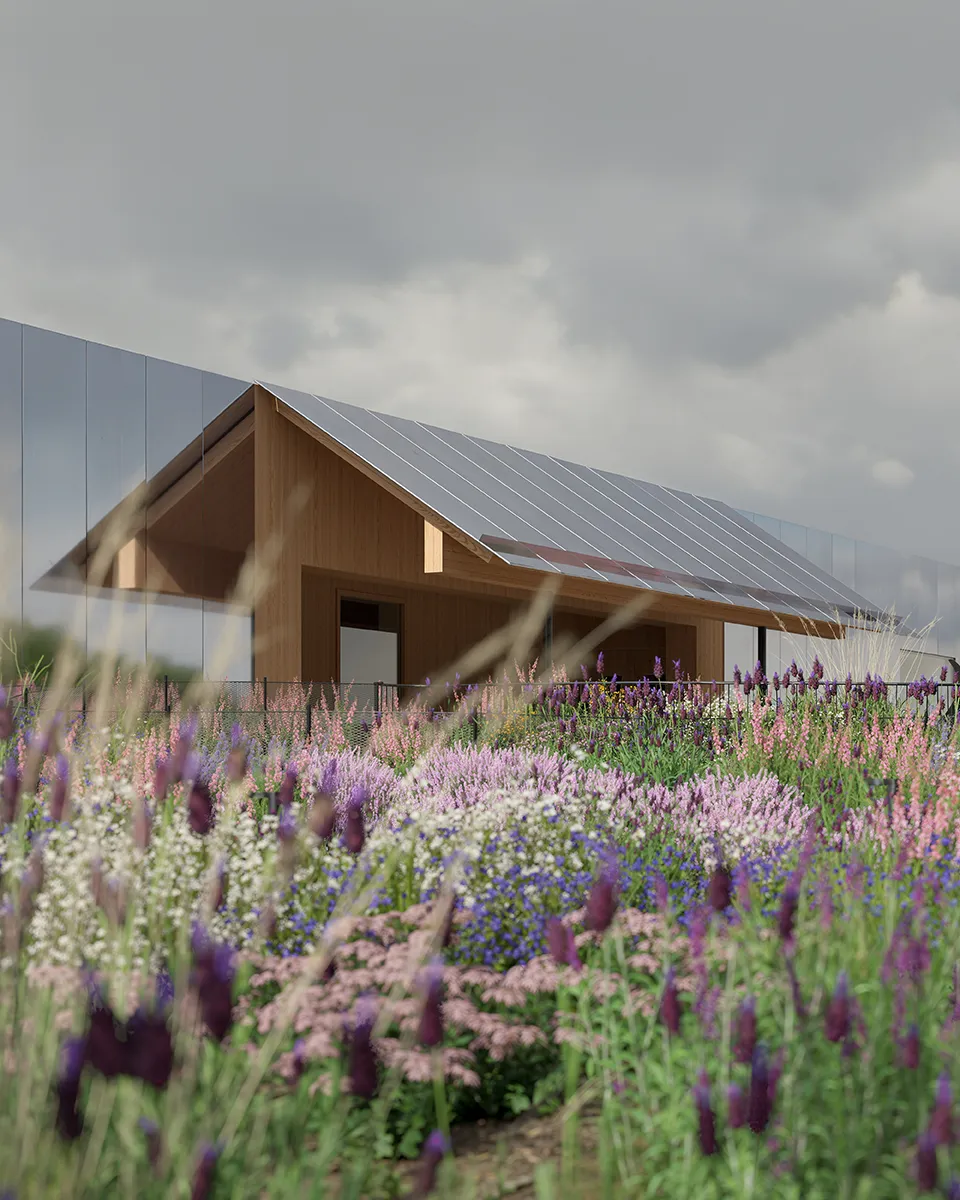
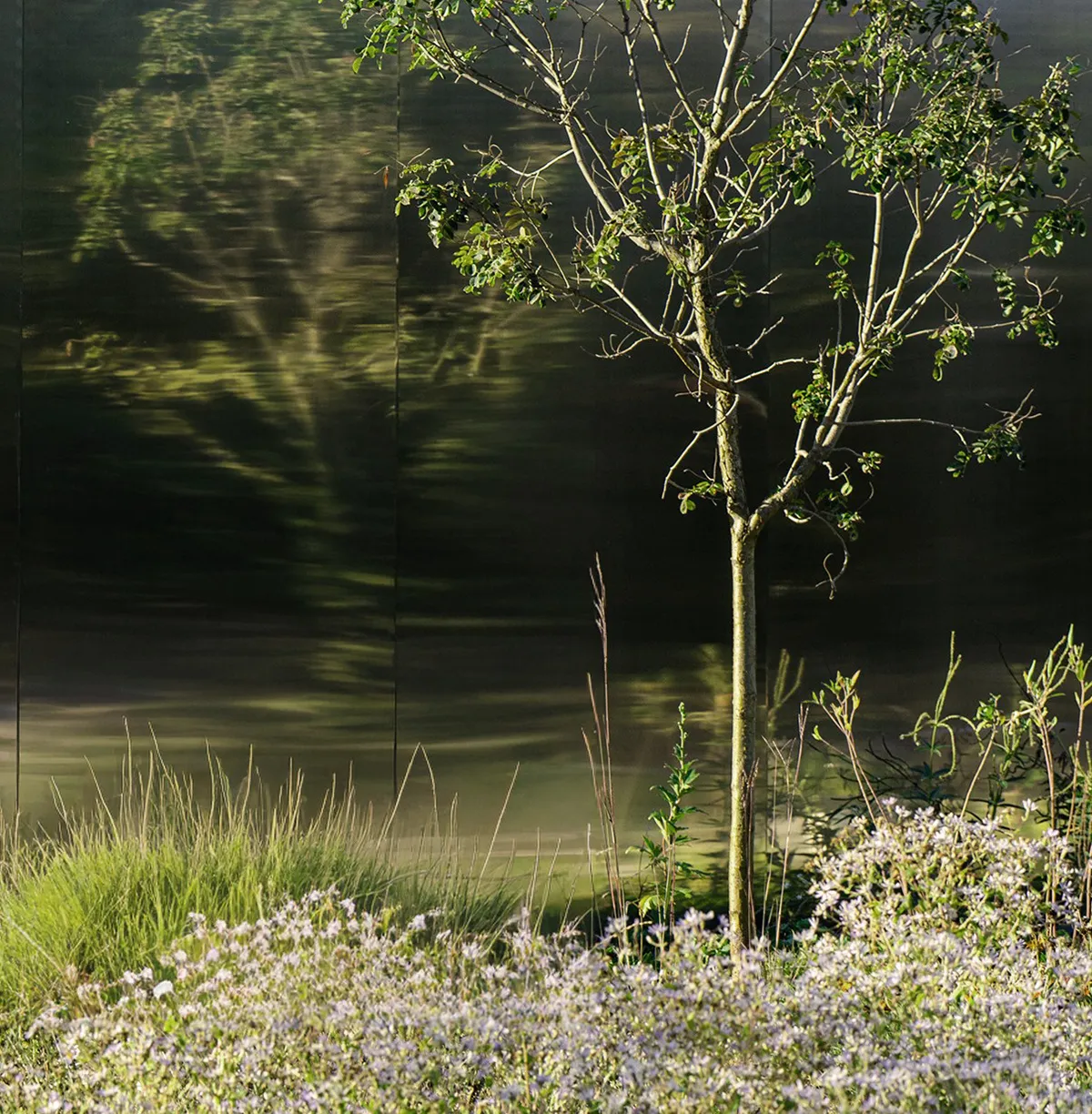
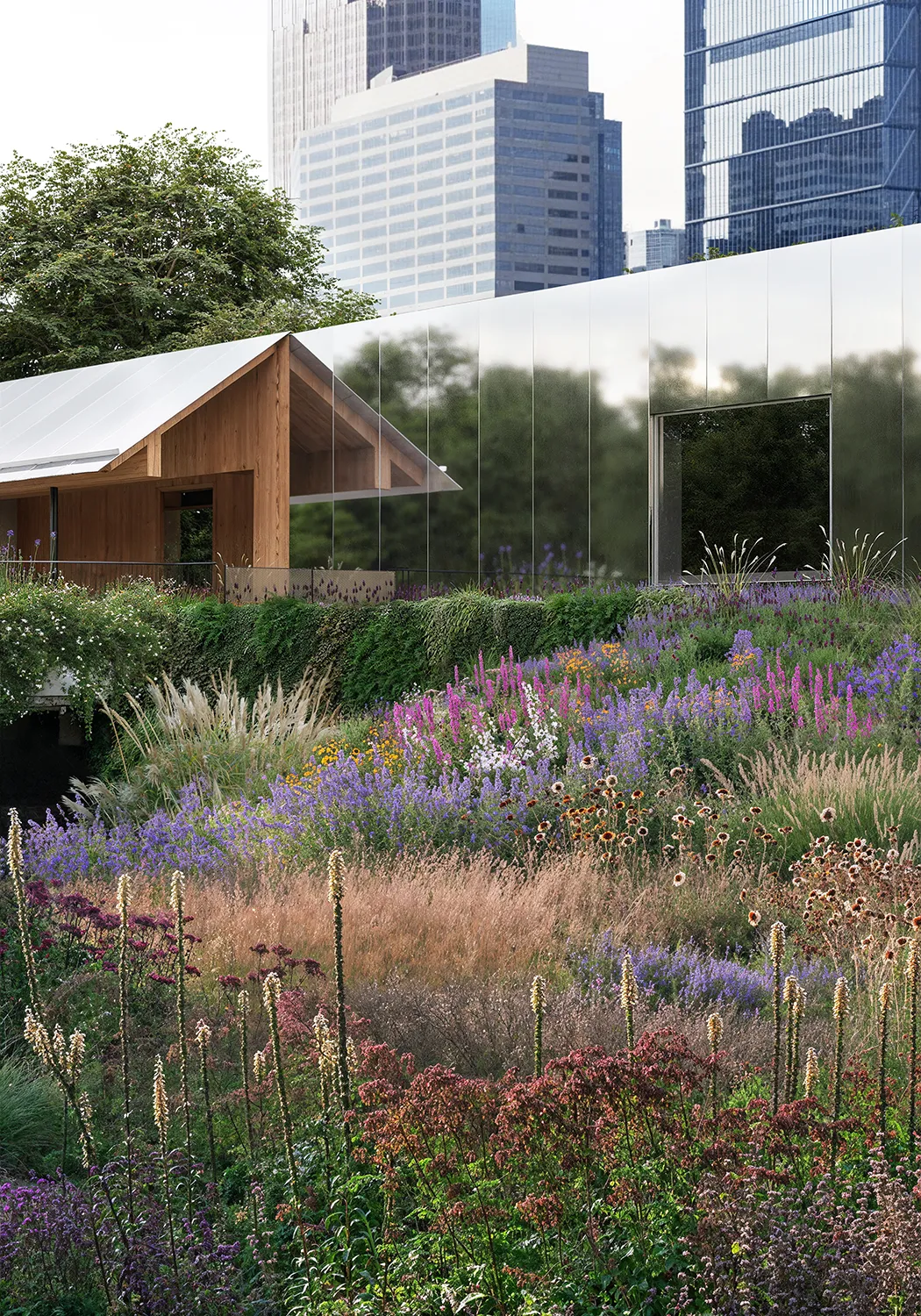
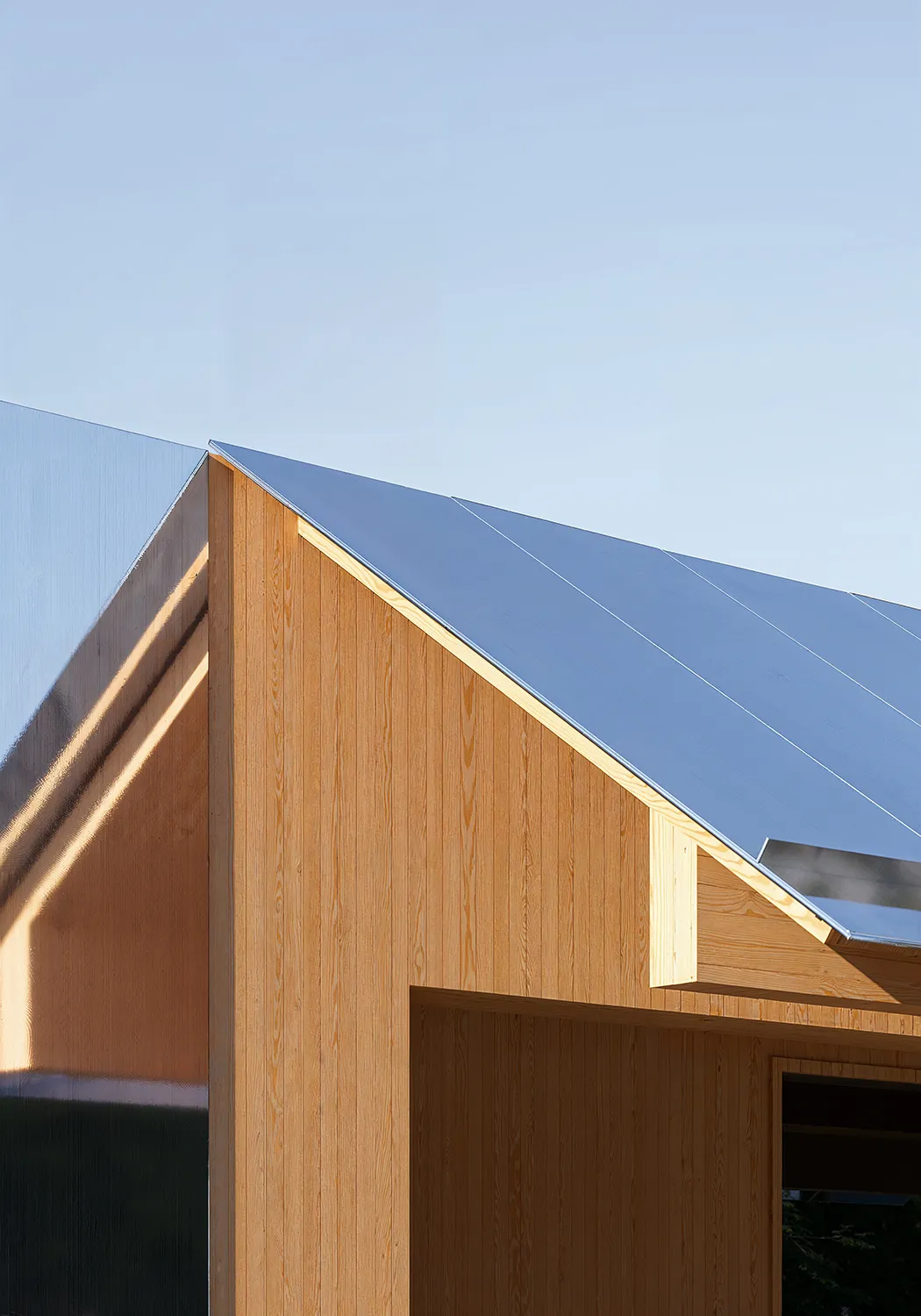
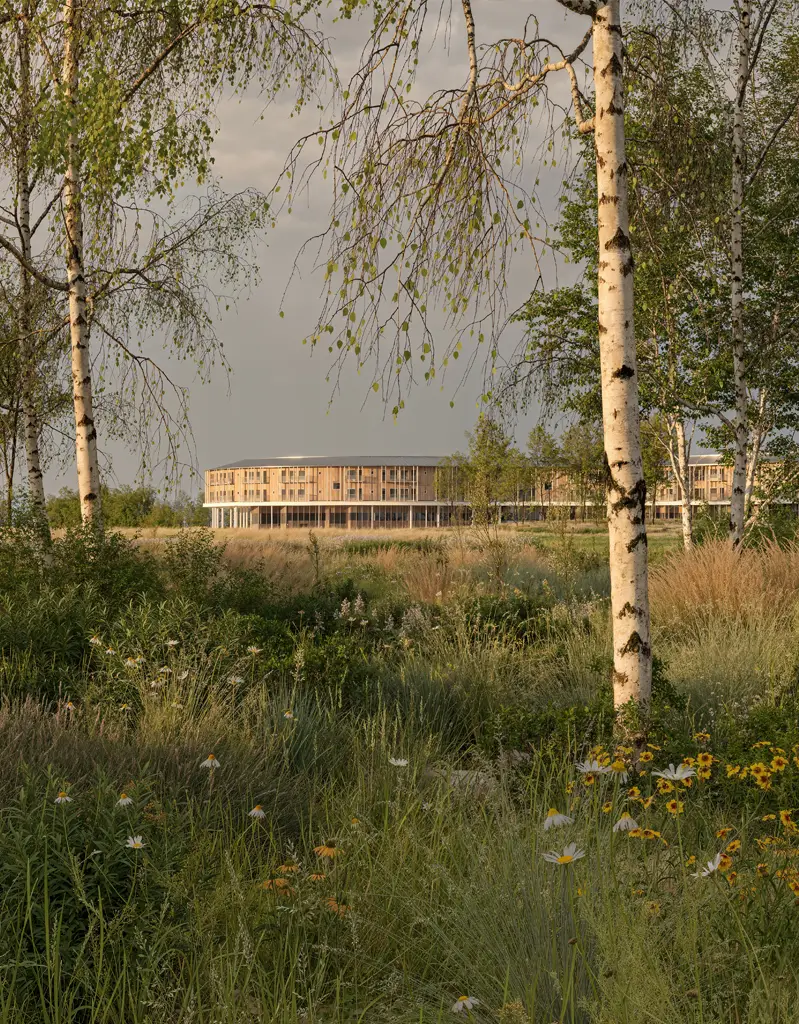
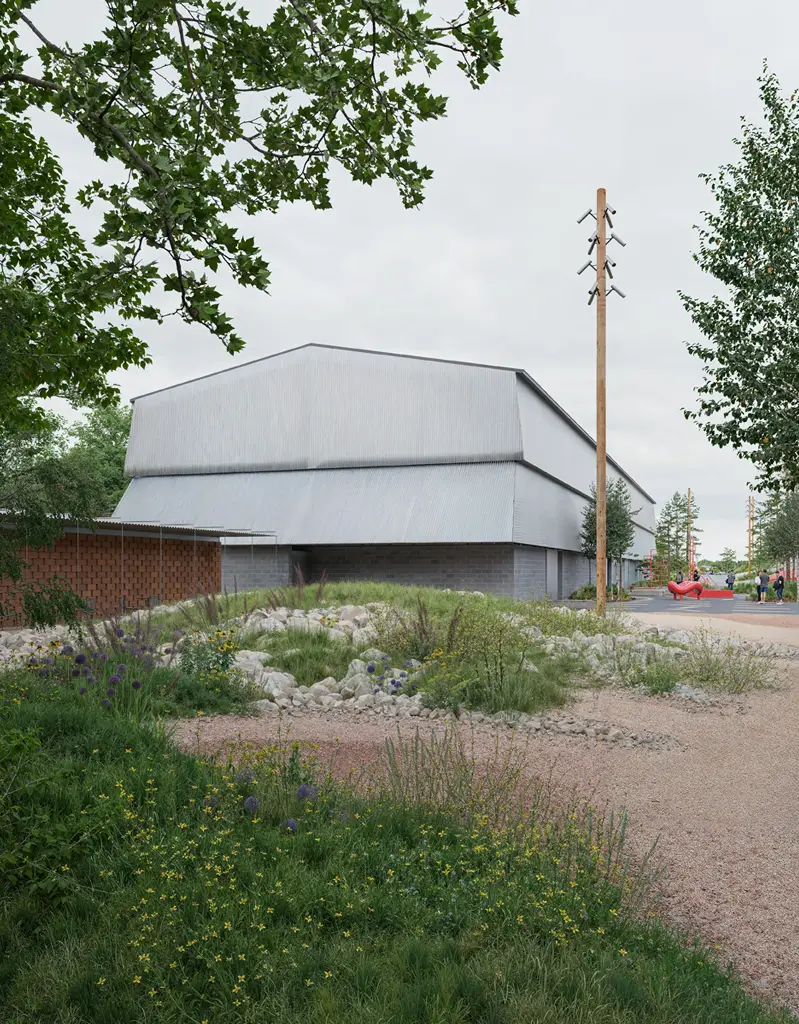
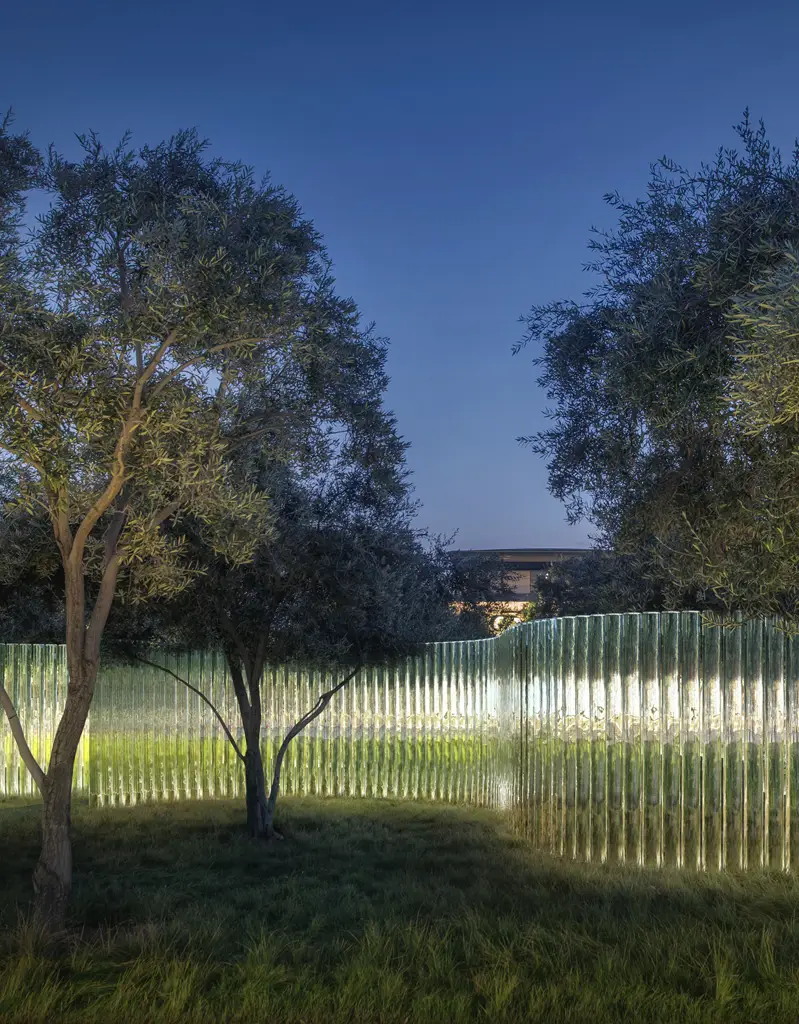
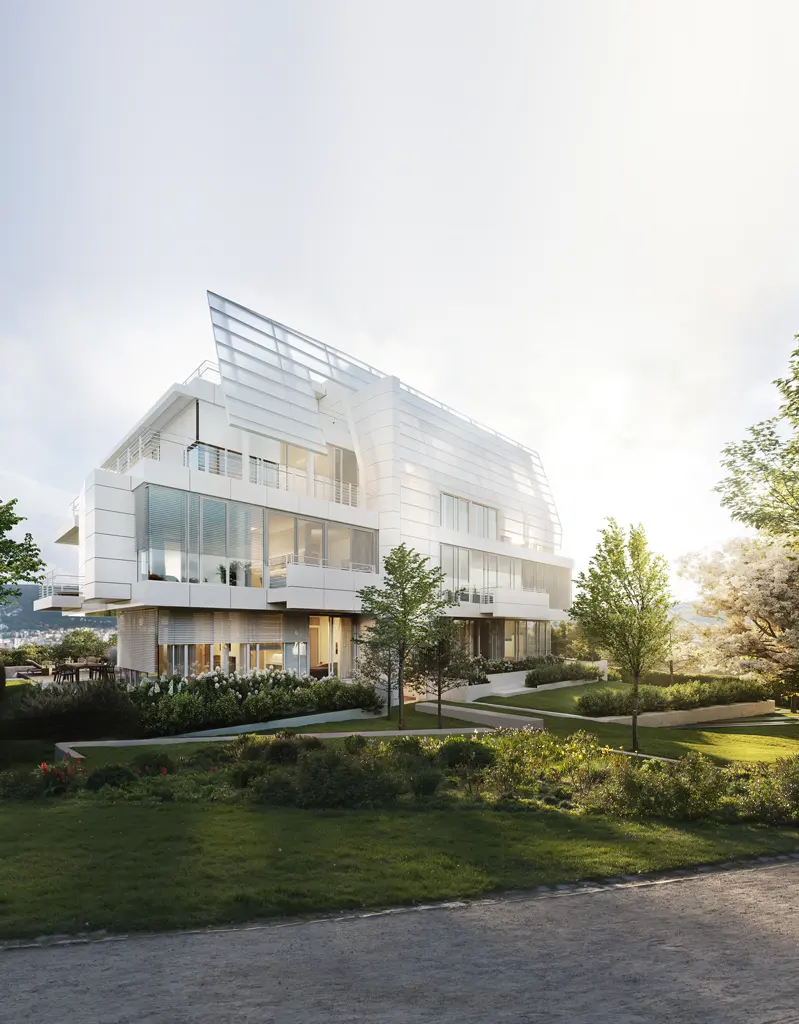
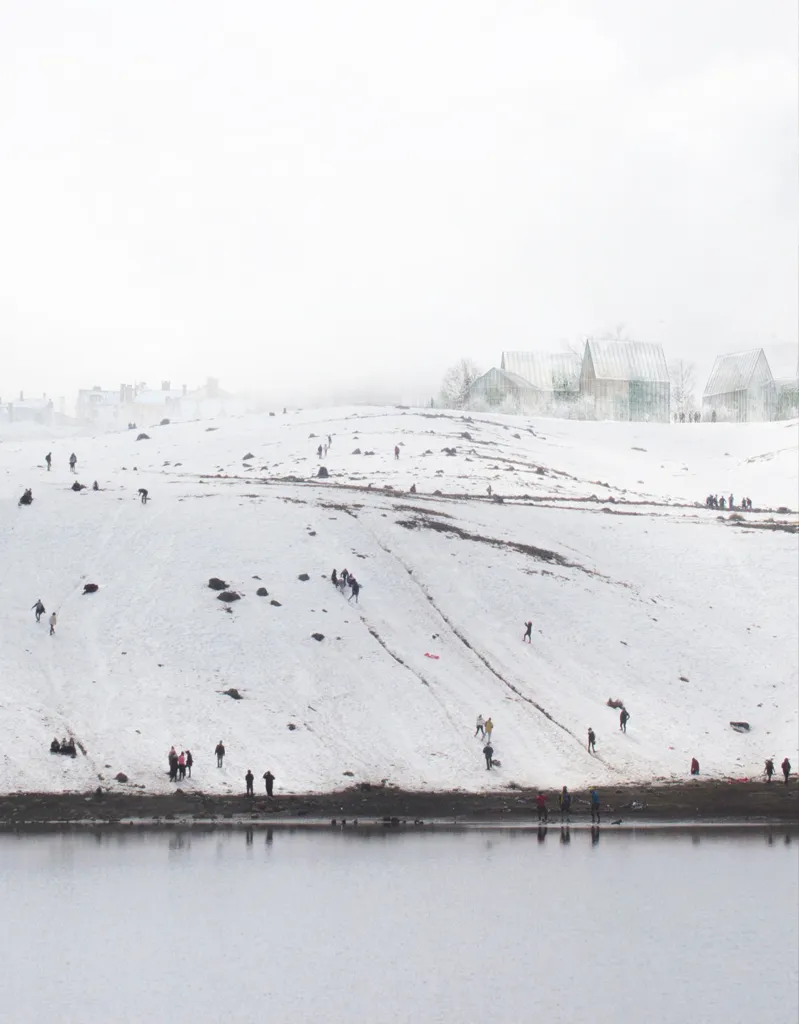
Form, color, and movement are the most obvious aspects in Calder’s art. When the concept for Calder Gardens was conceived, it sought to avoid rather than adopt the use of these characteristics as possible design elements. Likewise, the design avoids the monumental architecture of the already impressive collection of museums which line the Benjamin Franklin Parkway. With these parameters in mind, it was decided that the face of this project should not be a building. Instead, it is a garden with a building within that reveals itself step by step as a series of distinct, heterotopic spaces.
Landscape: Piet Oudolf
Calder Gardens is not a conventional museum. From the beginning the client wanted a space that would provide a totally new, intimate and ever-changing encounter with the work of Alexander Calder. While the building is still tasked with the typical technical requirements of a traditional museum, it is conceived as a new type of place for being with art: a place that provides an interplay between art, architecture, nature, people, and the surrounding city.
Architecture: Herzog & de Meuron
Landscape: Piet Oudolf