Willamette Valley Tasting Room
Allied Works, Oregon
Architectural Narrative
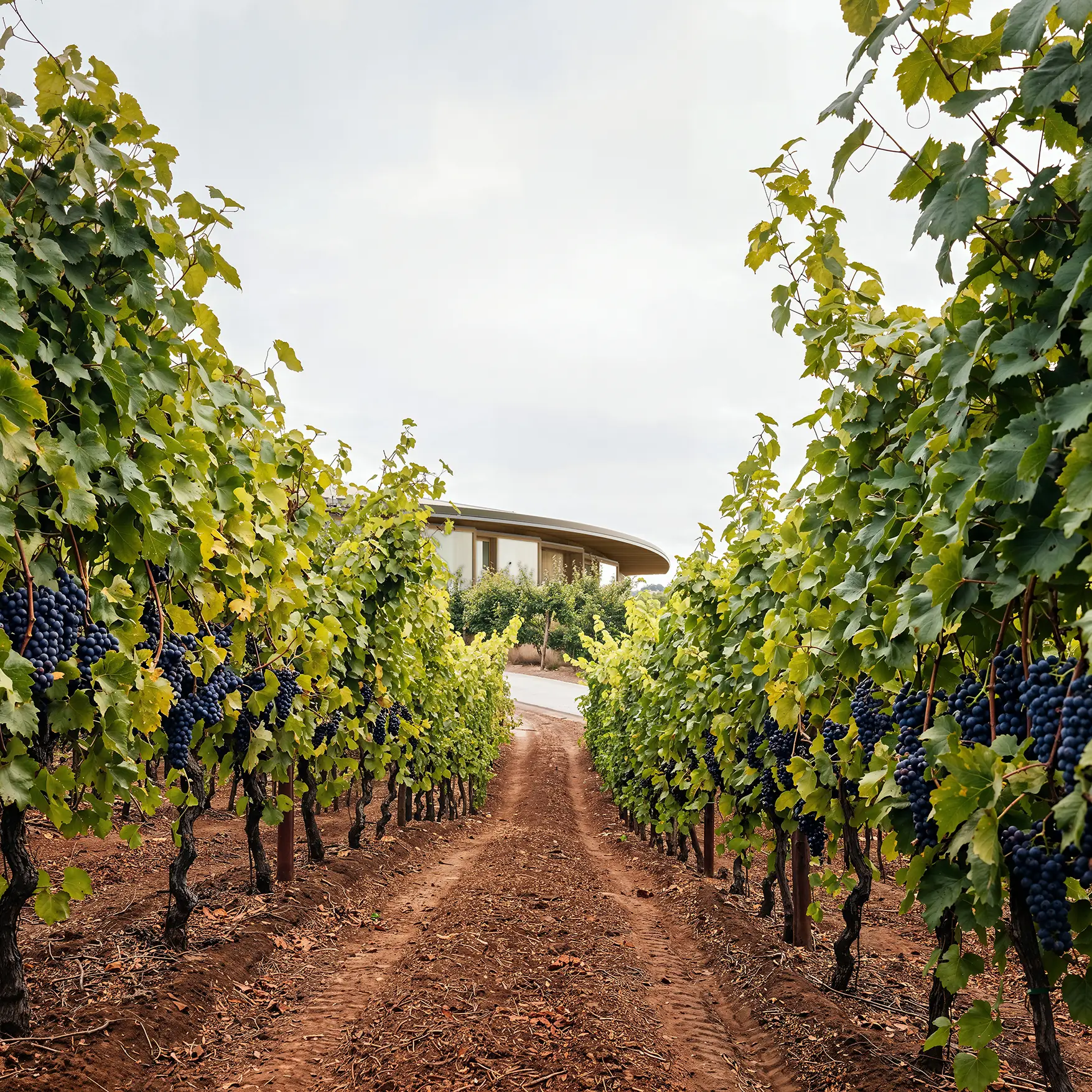
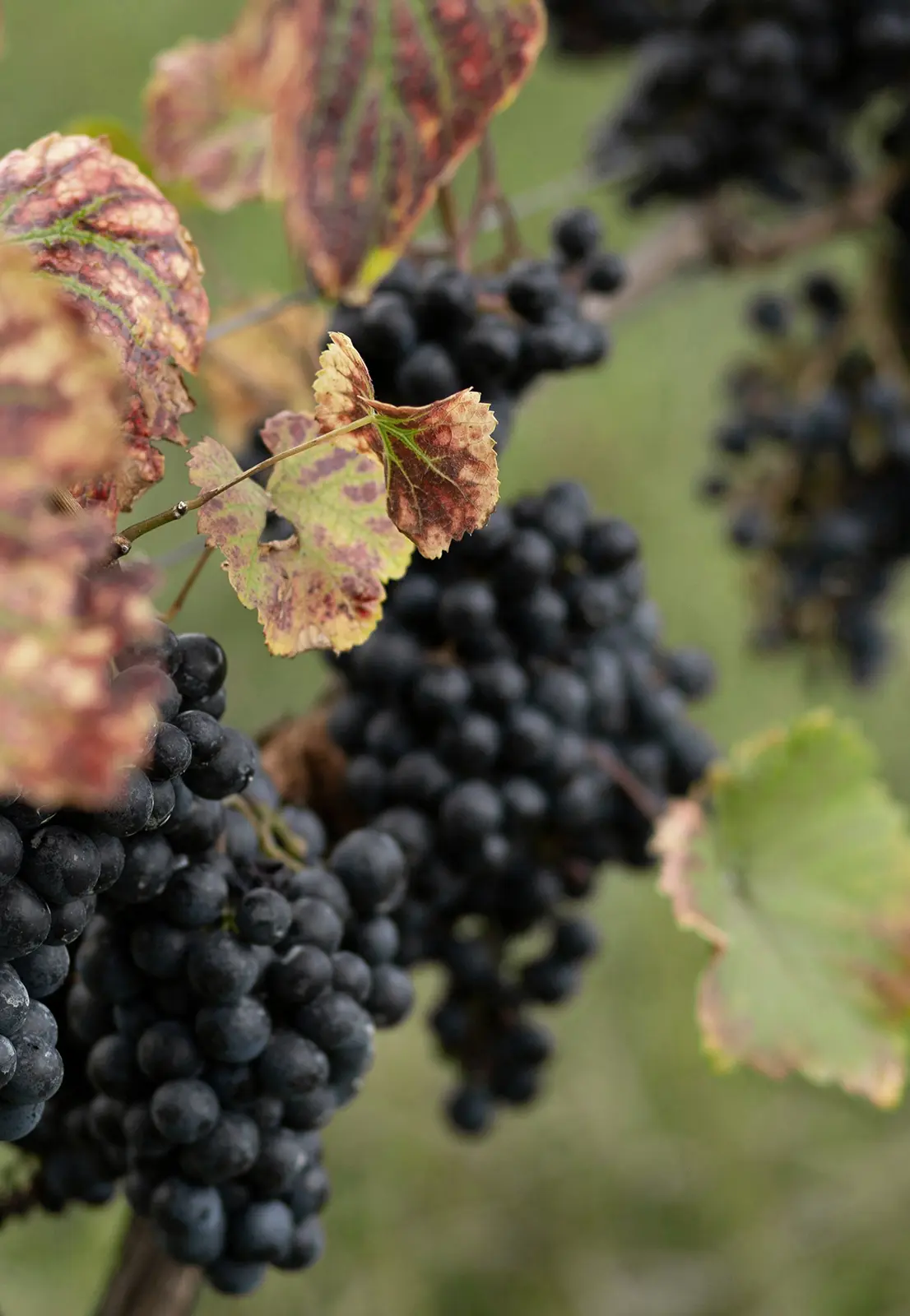
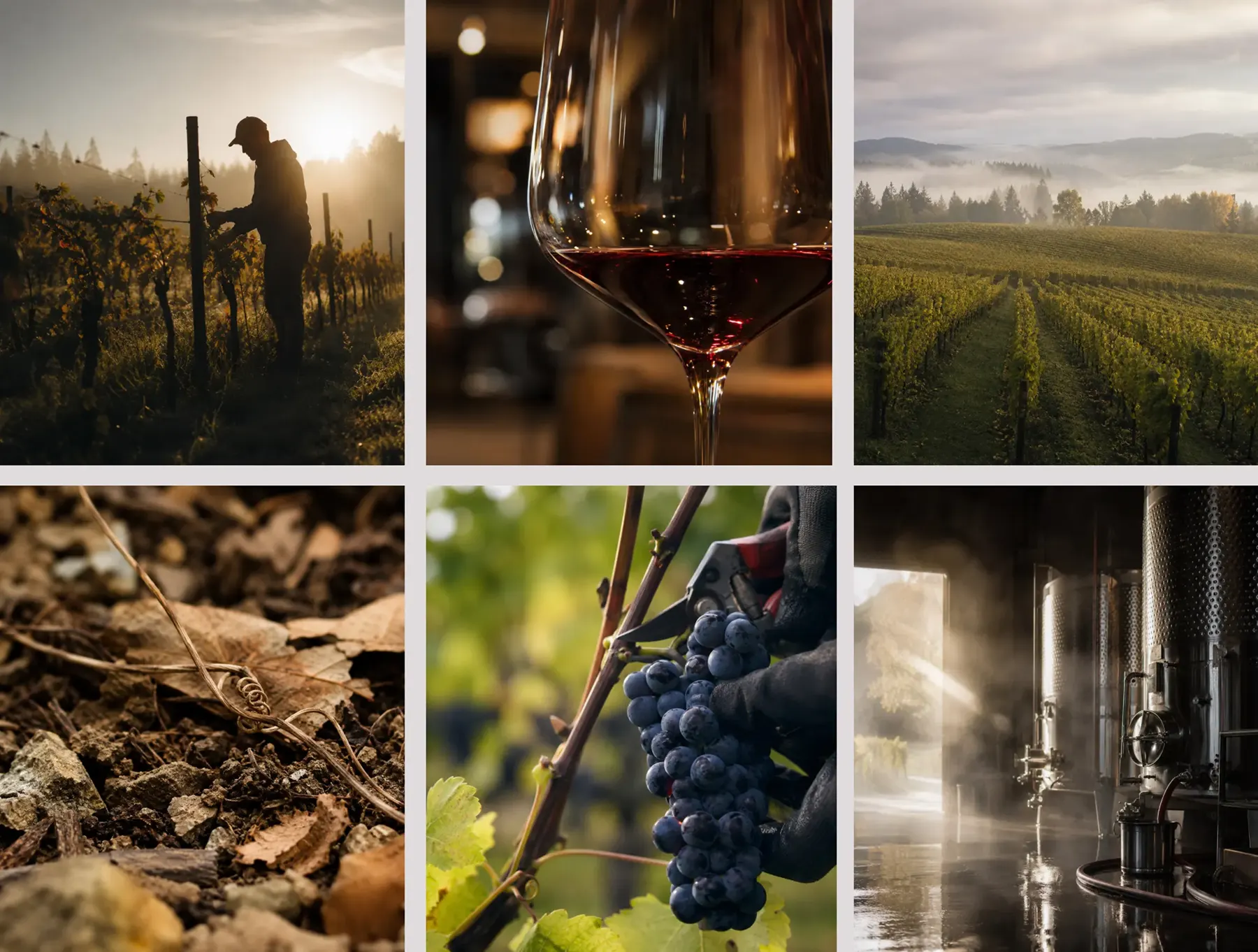
Terroir refers to the total natural environment that drives the process of making wine. It starts with the land and everything that touches it. The slope of the ridge, the soil beneath it, the weather that moves through year after year. The vines take all of that in without filtering it, carrying the character of the place into the grapes. From there, the process stays close to what already exists. Fermentation is active and unpredictable, a natural chain of reactions that can’t be fully controlled or broken down into simple parts. The role of the winemaker is to guide it just enough, to keep things on track without forcing an outcome. What matters is recognizing when the wine has found its balance, and protecting that moment as it moves into the bottle. Each vintage comes from the same ground, but no two are the same. Over time, the work builds a record of the place itself, not as an idea, but as something lived and repeated, season after season.
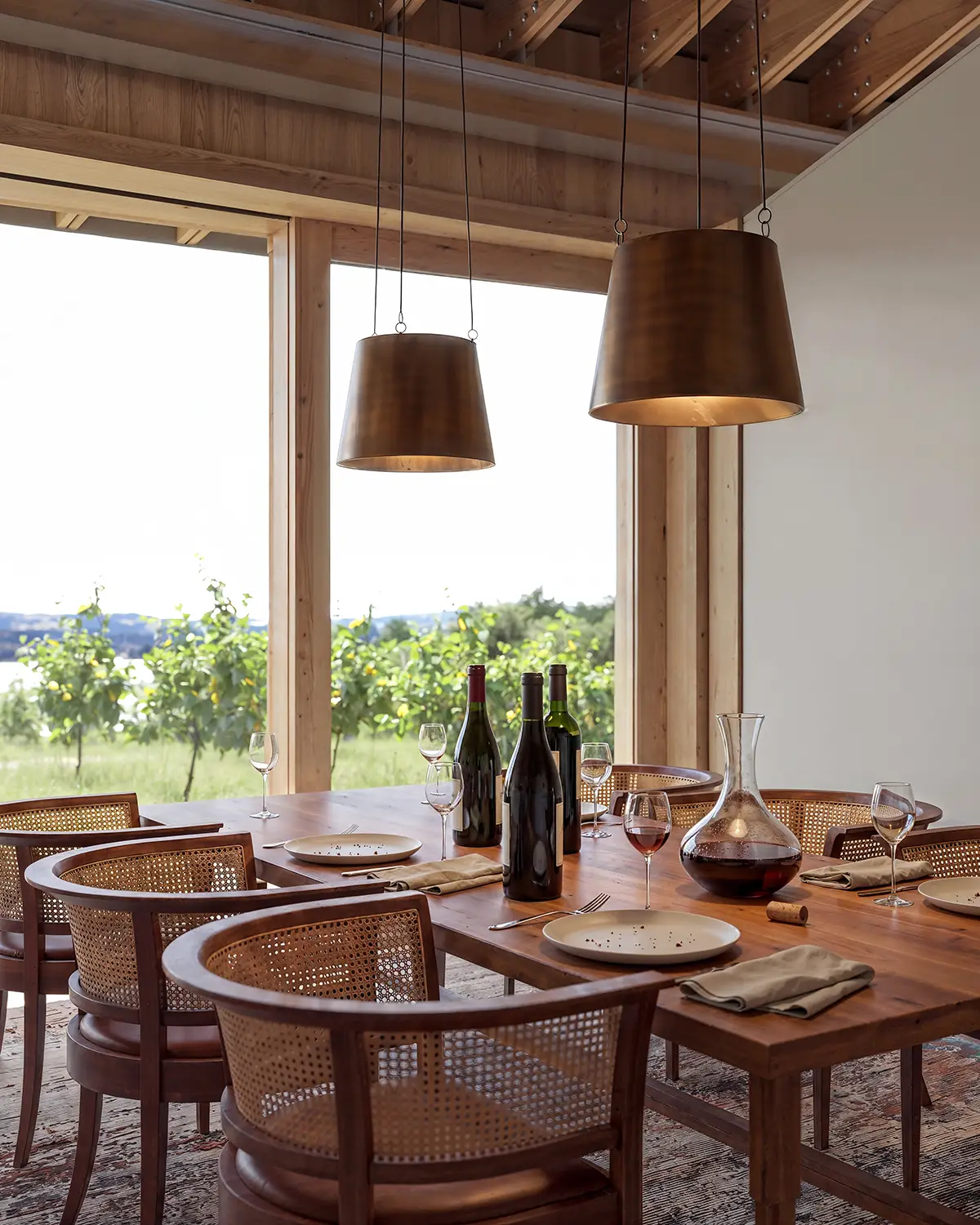
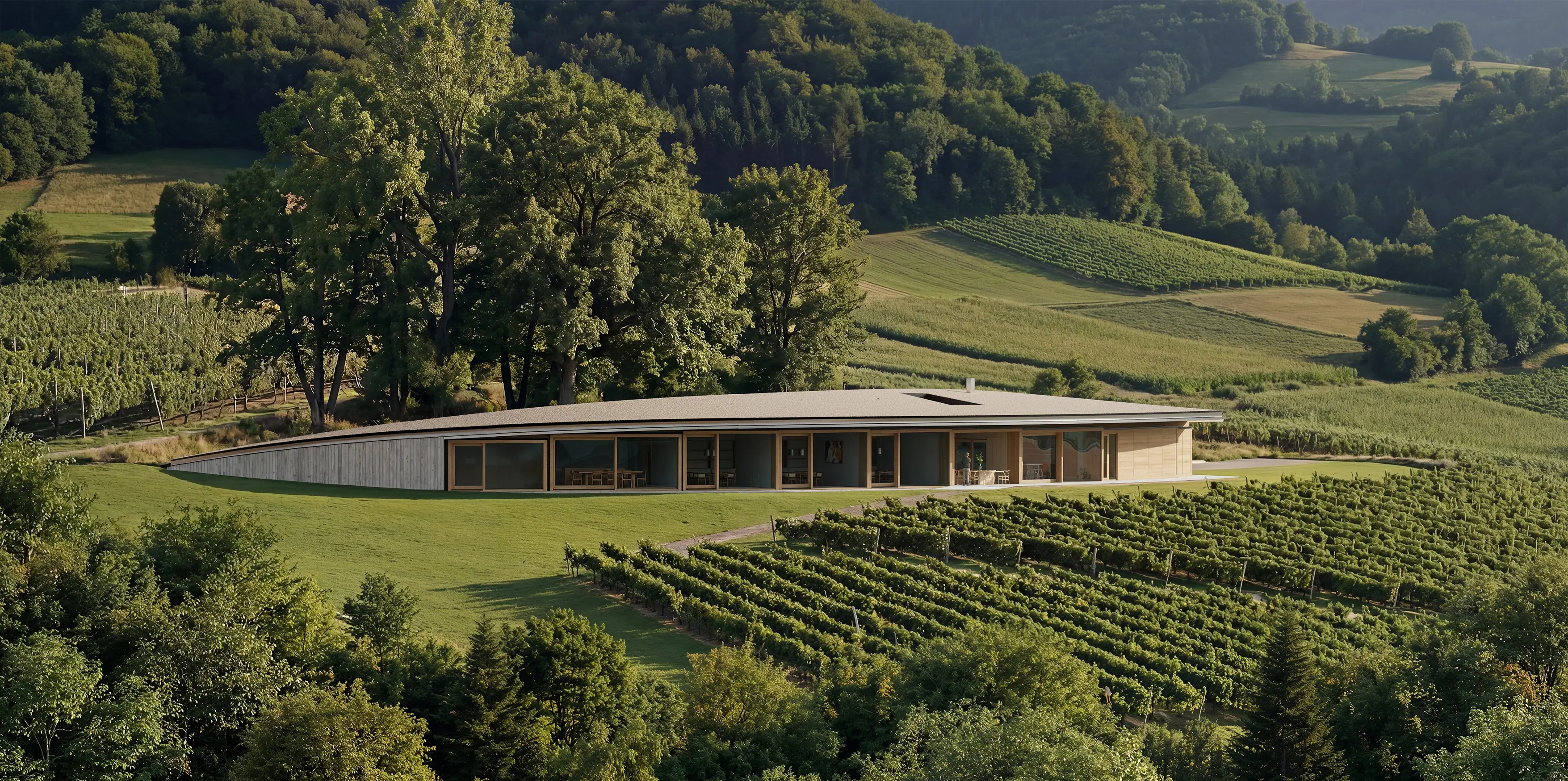
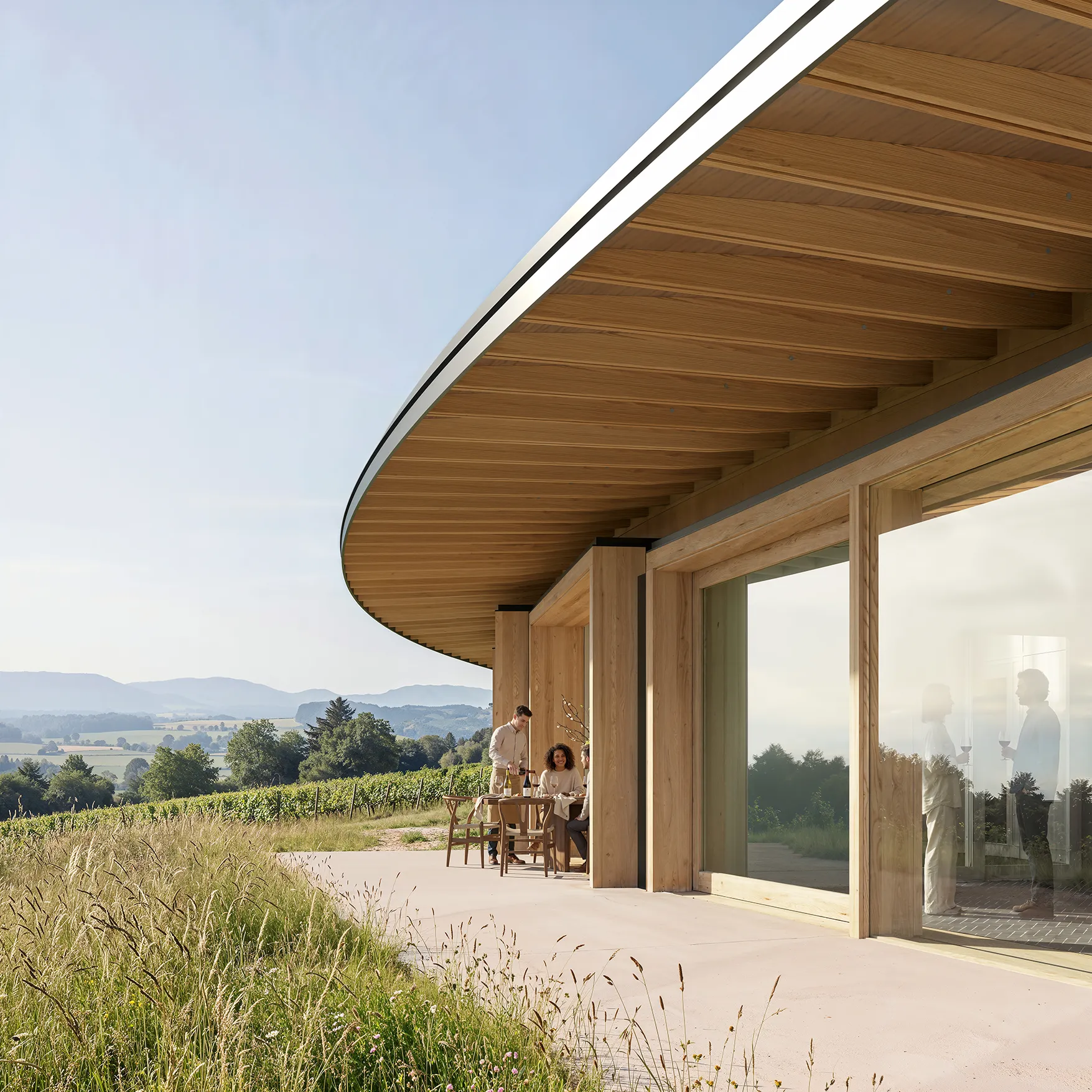
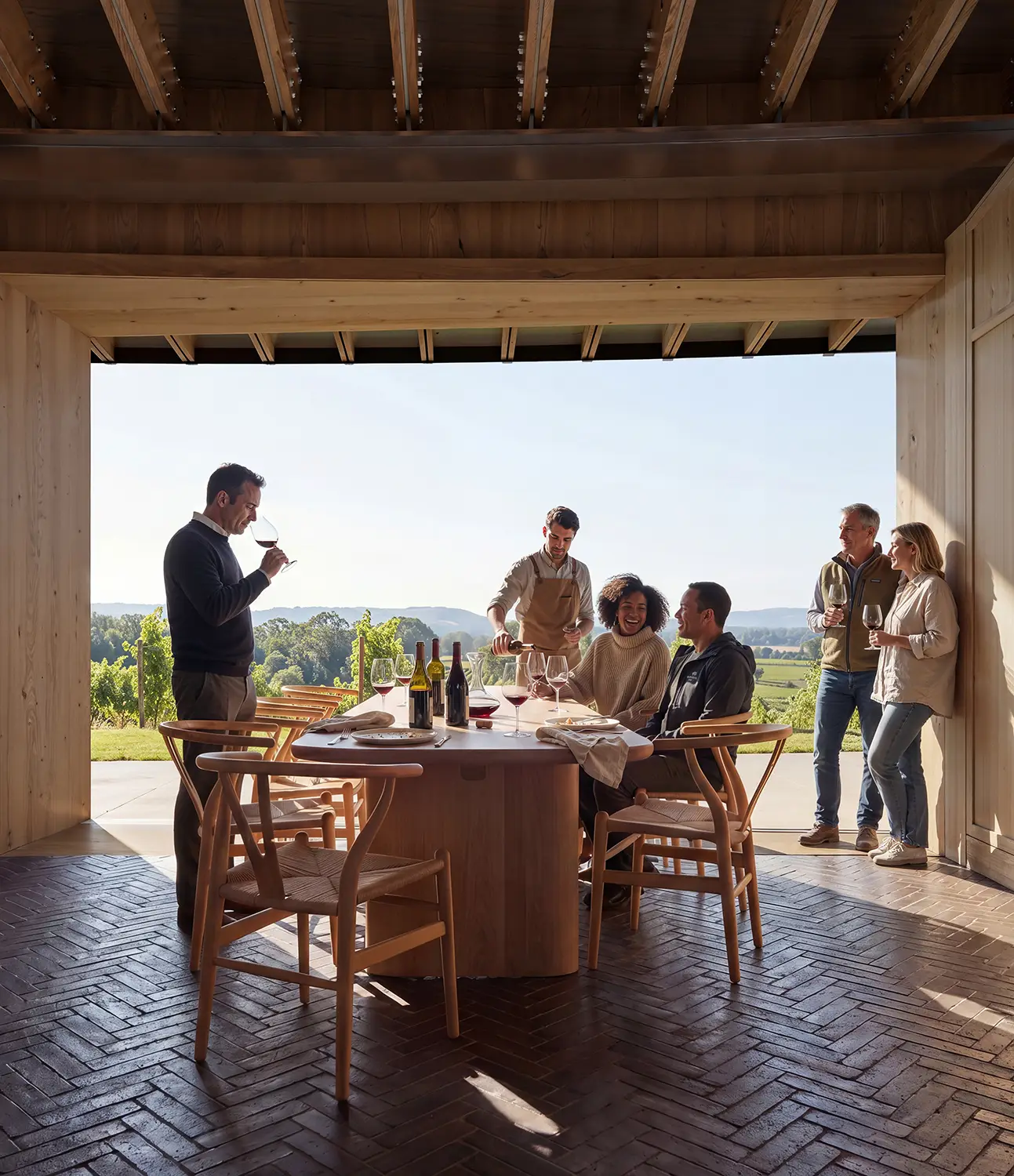
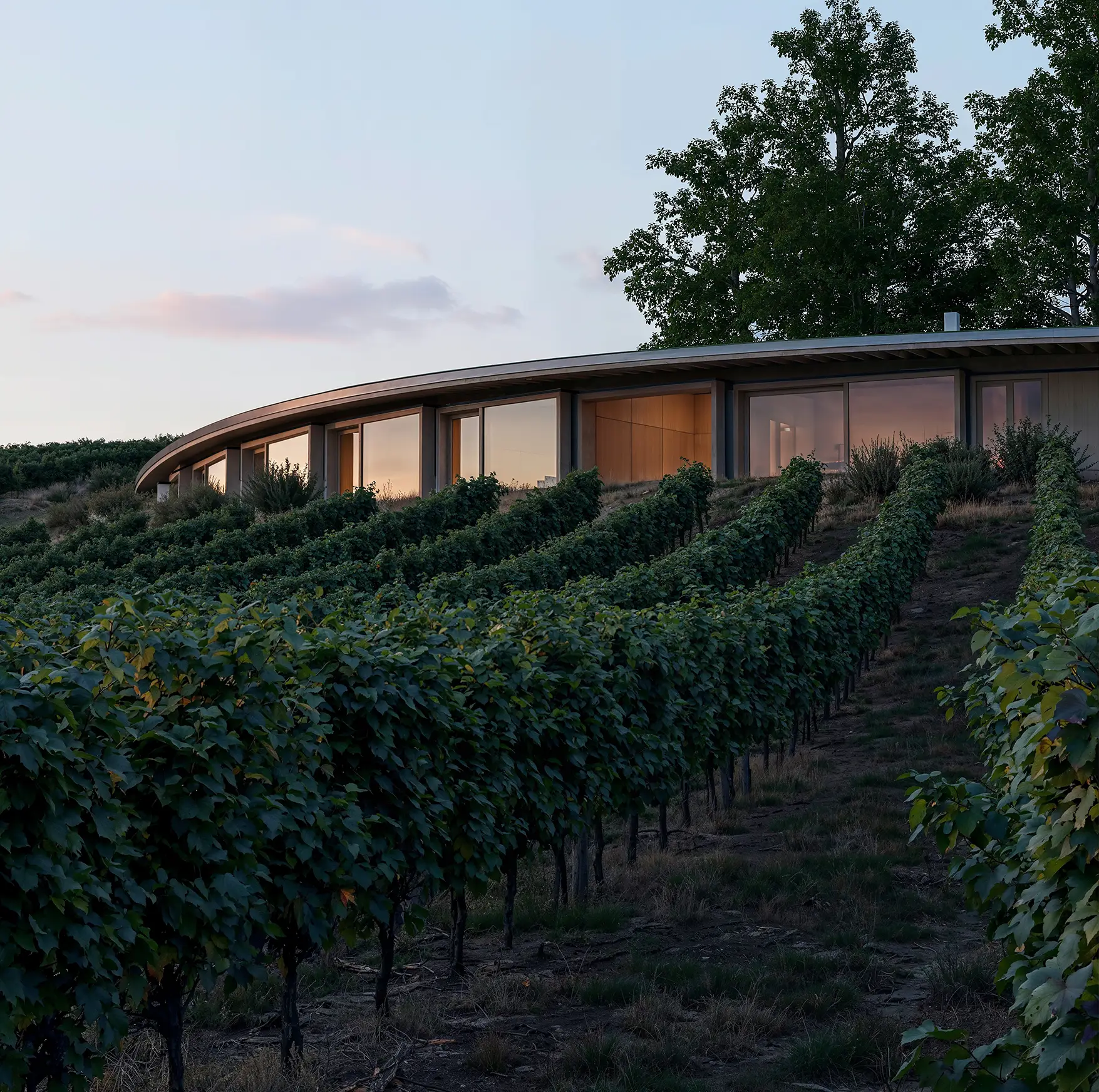
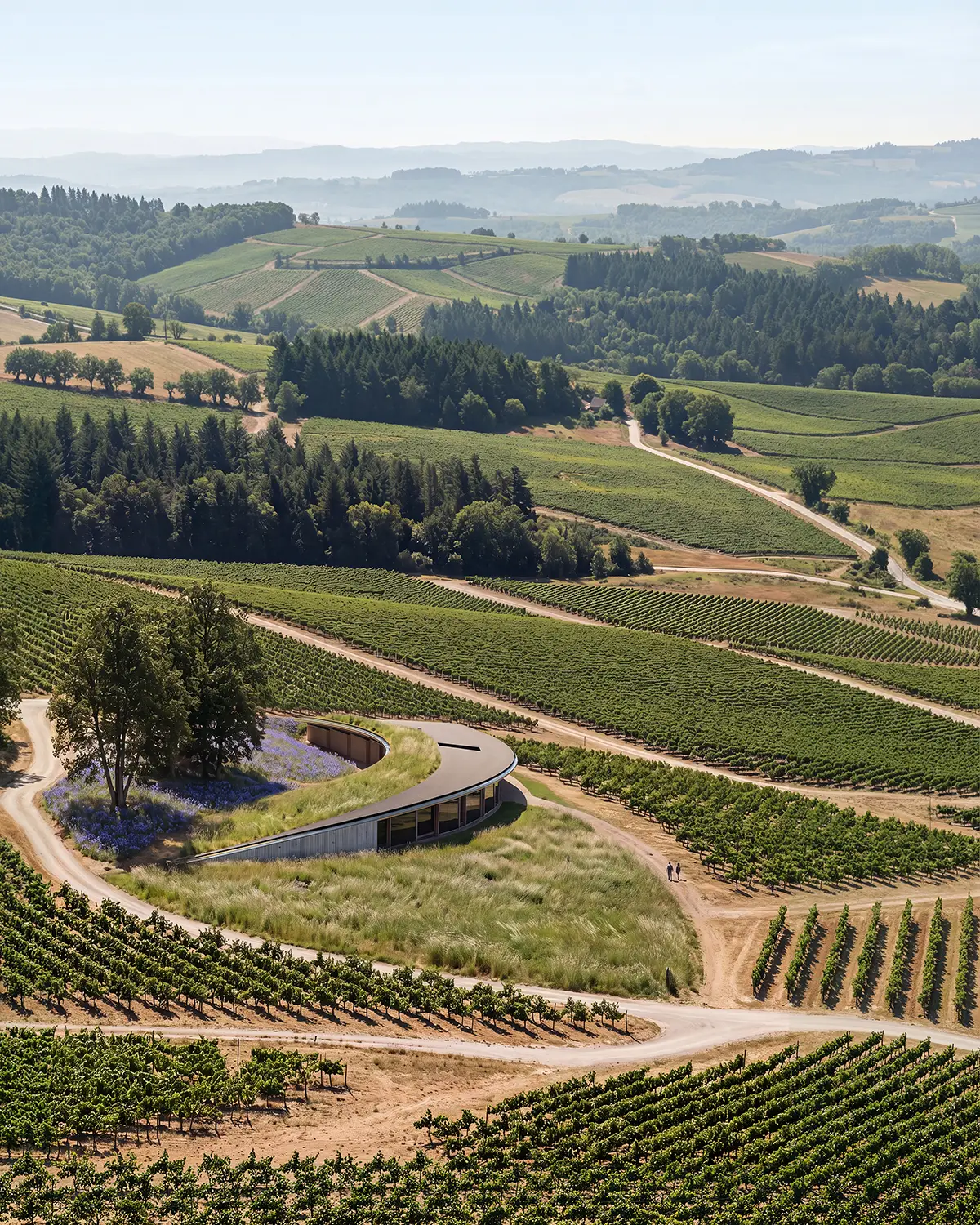
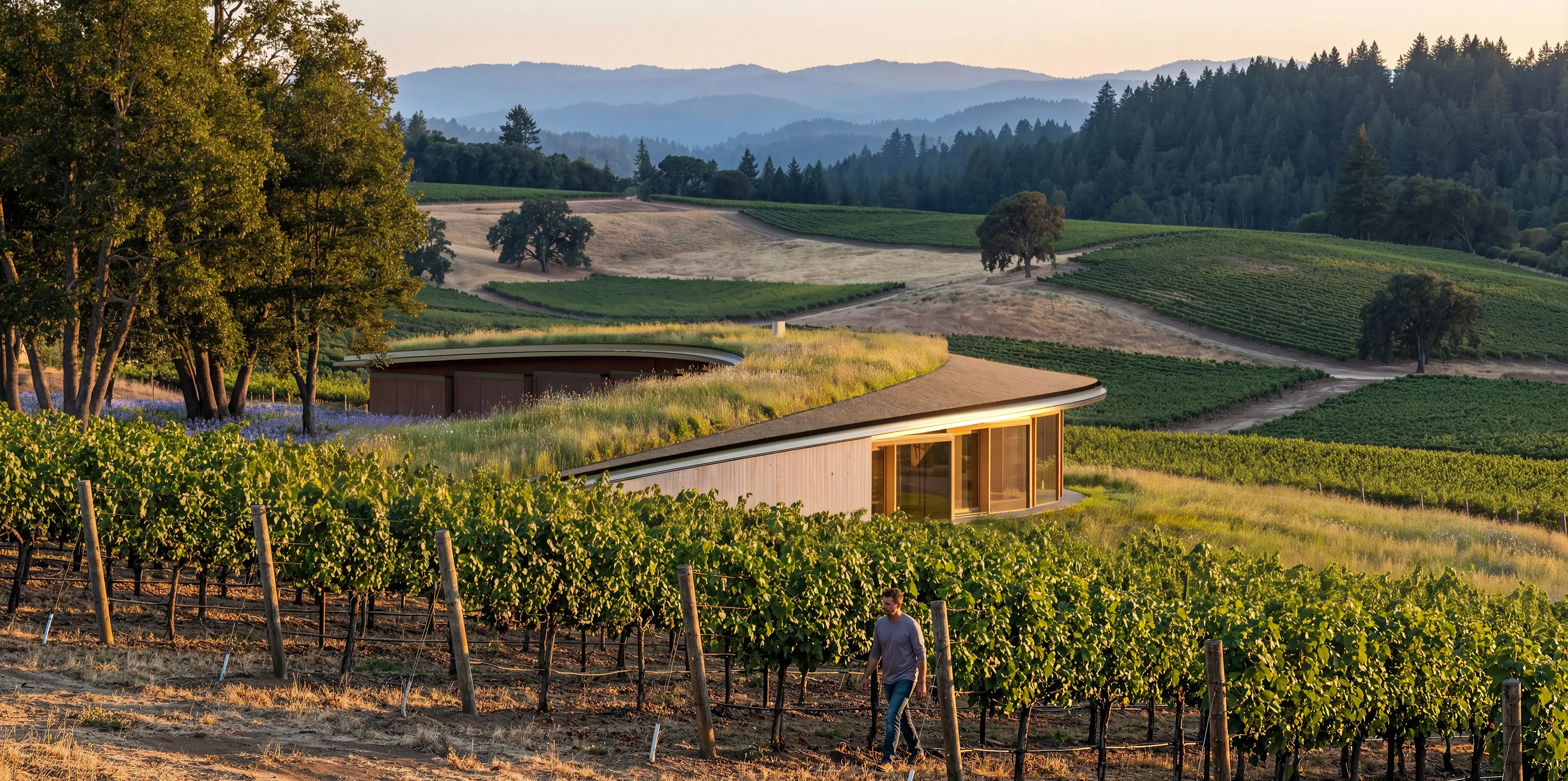
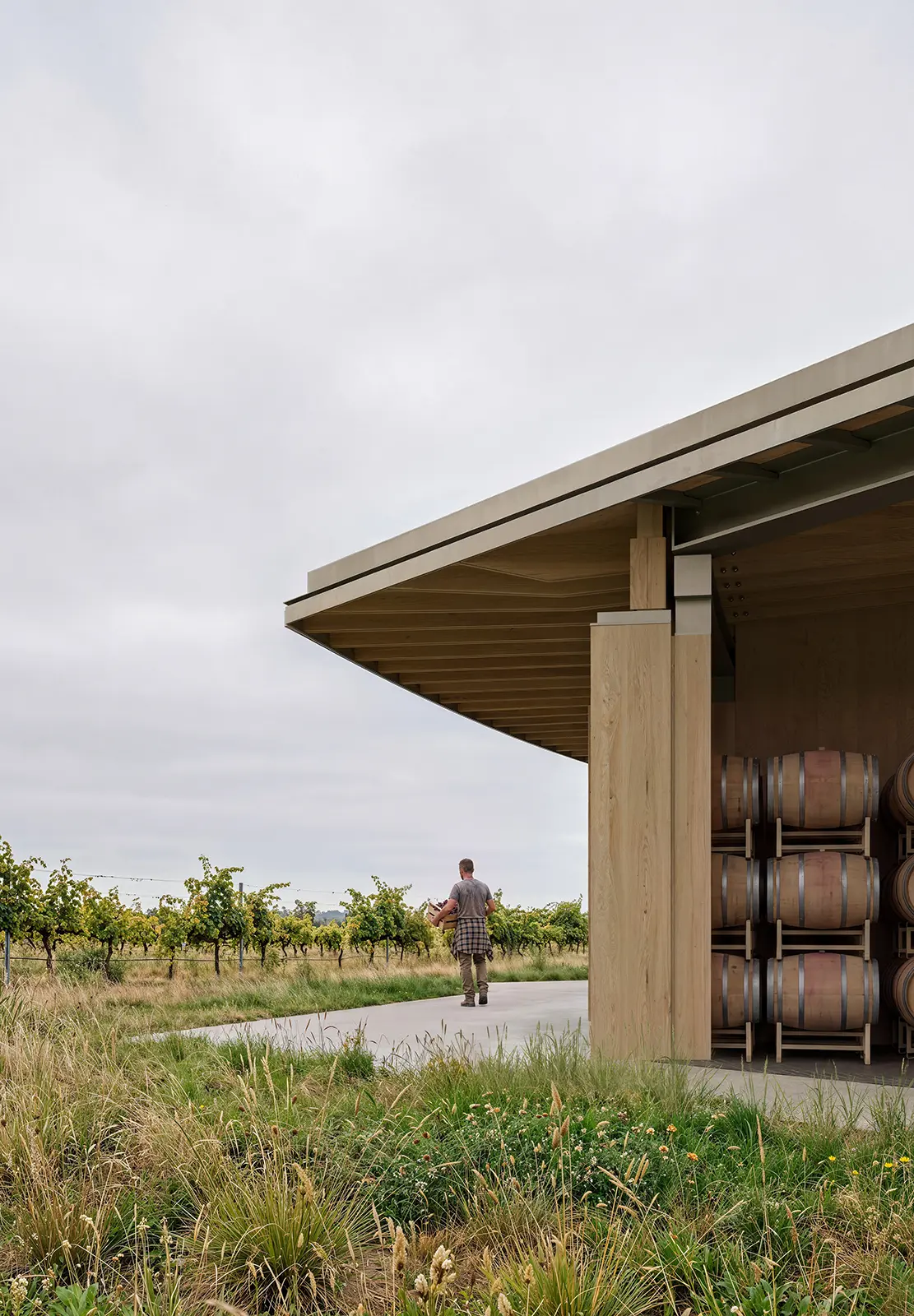
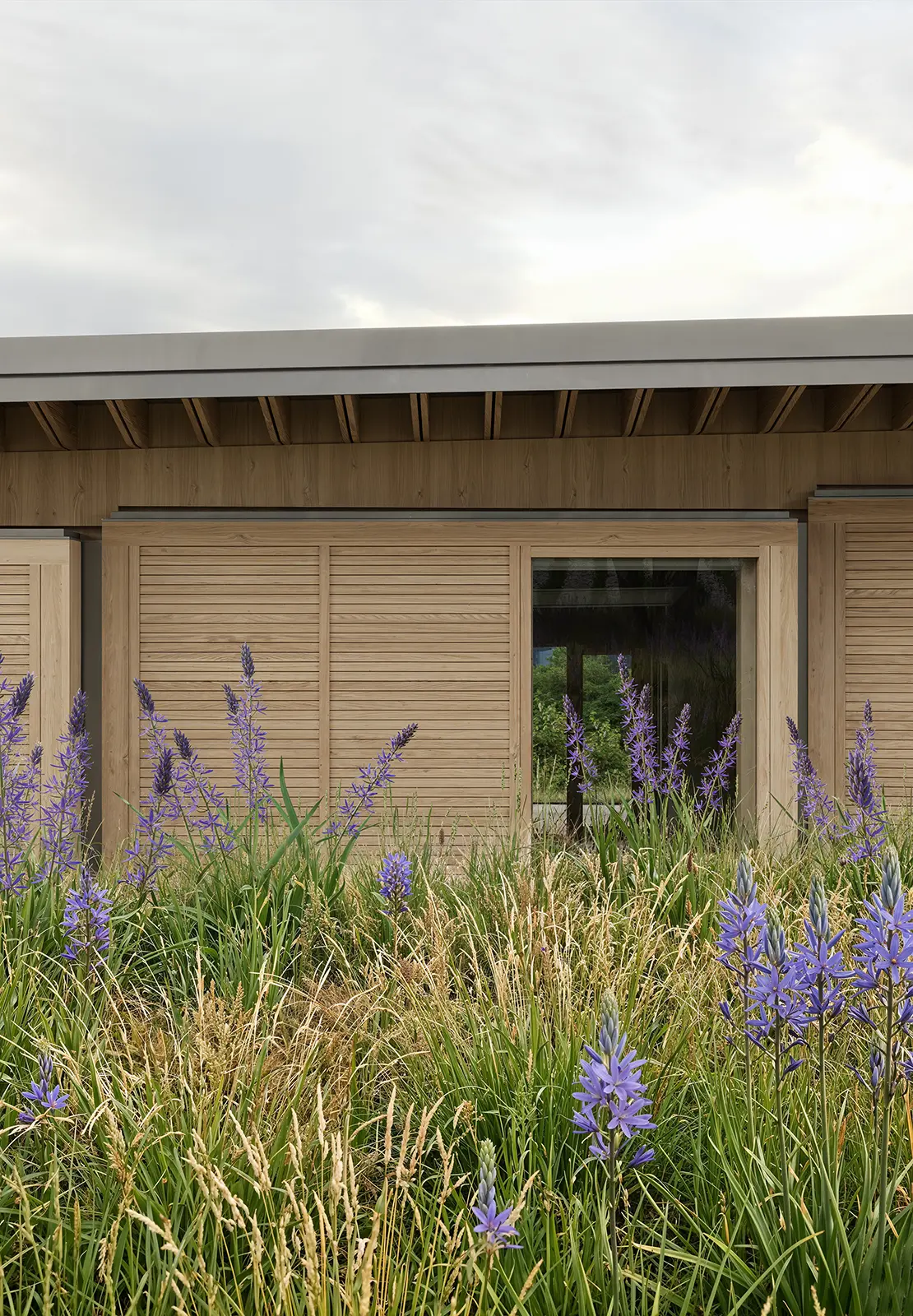
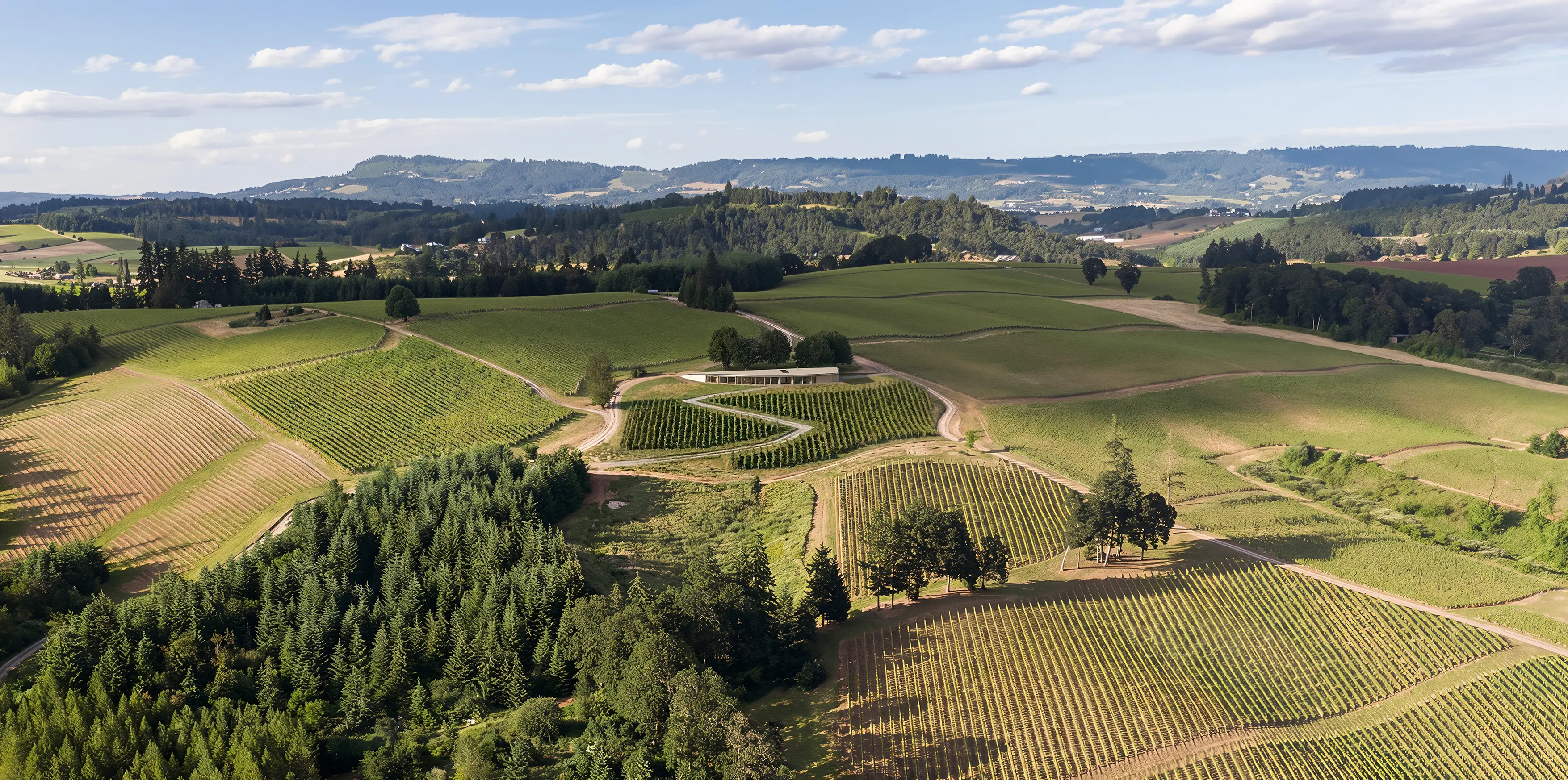
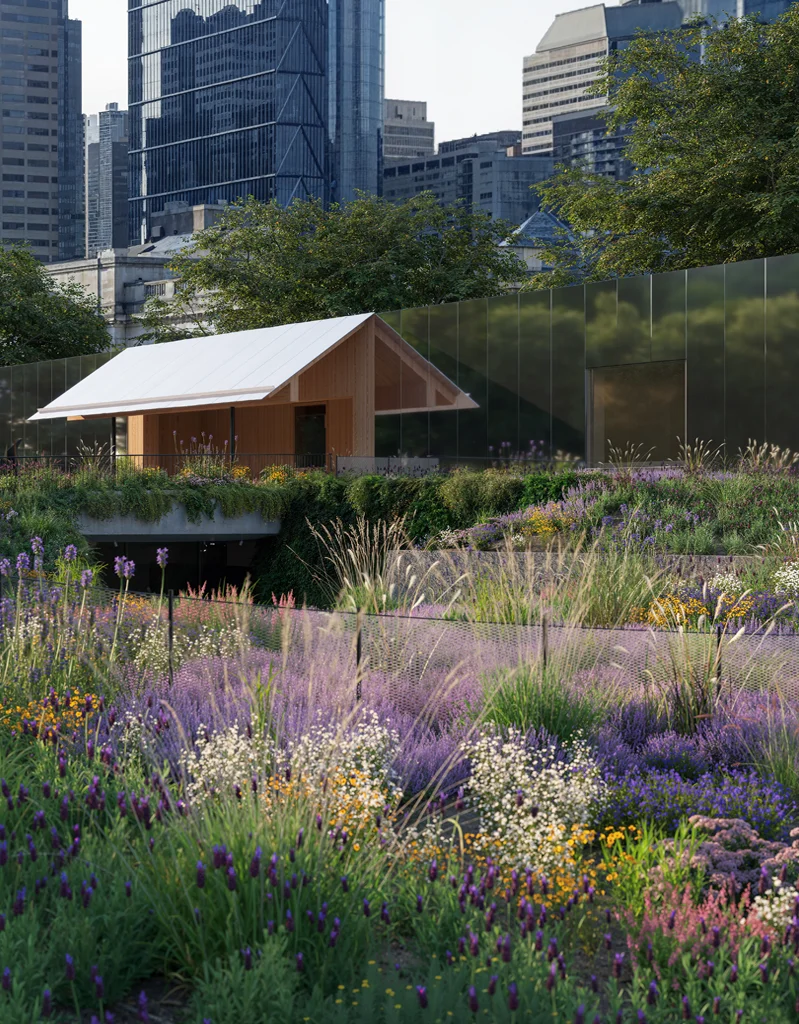
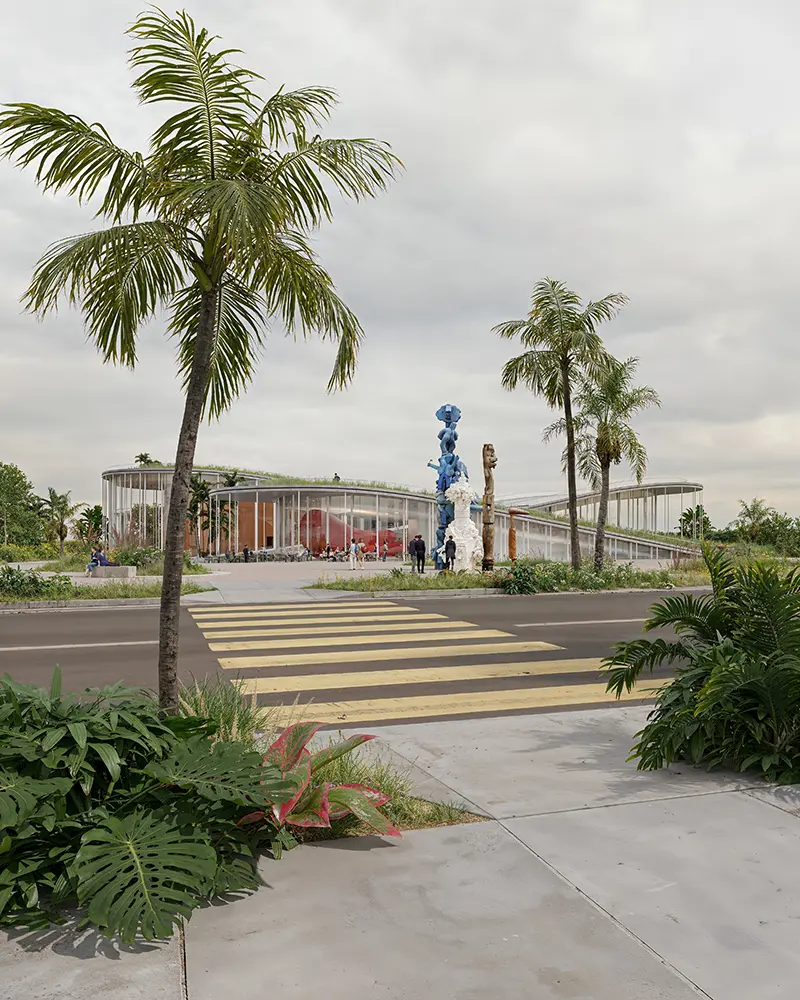
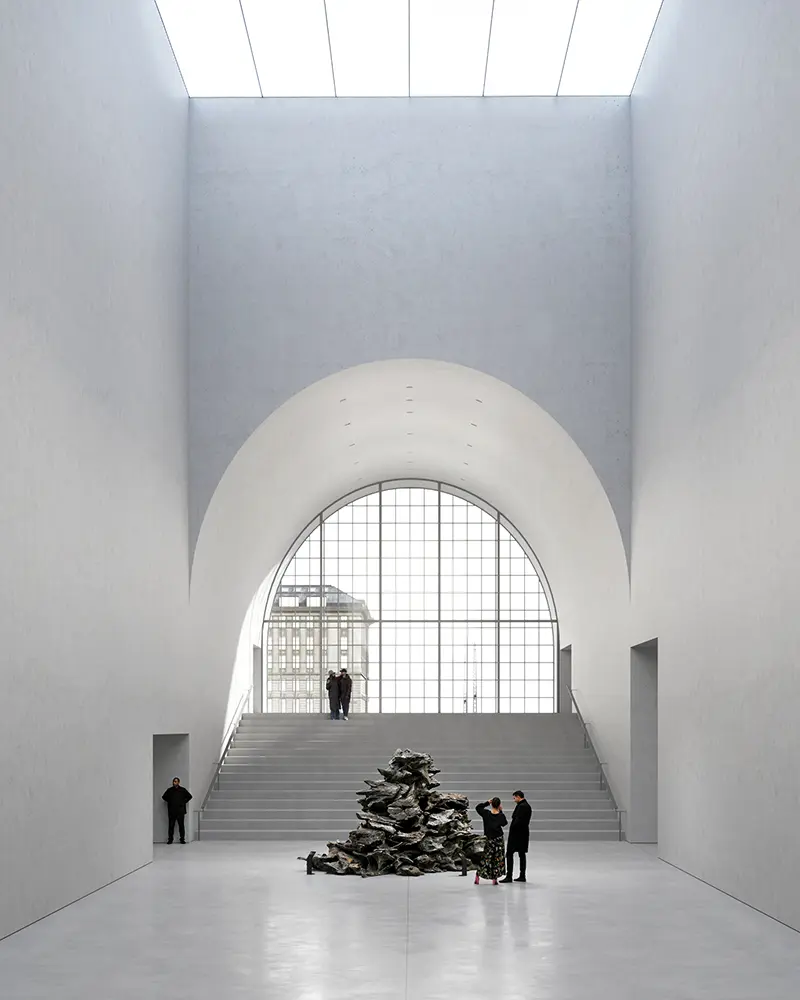
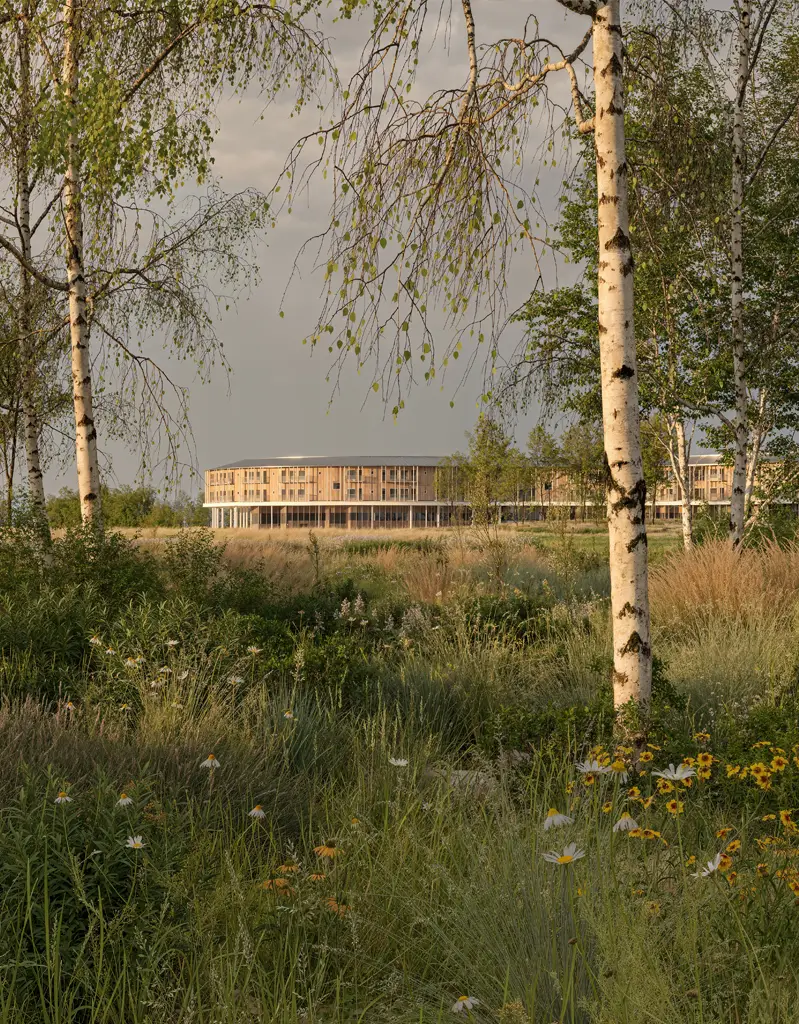
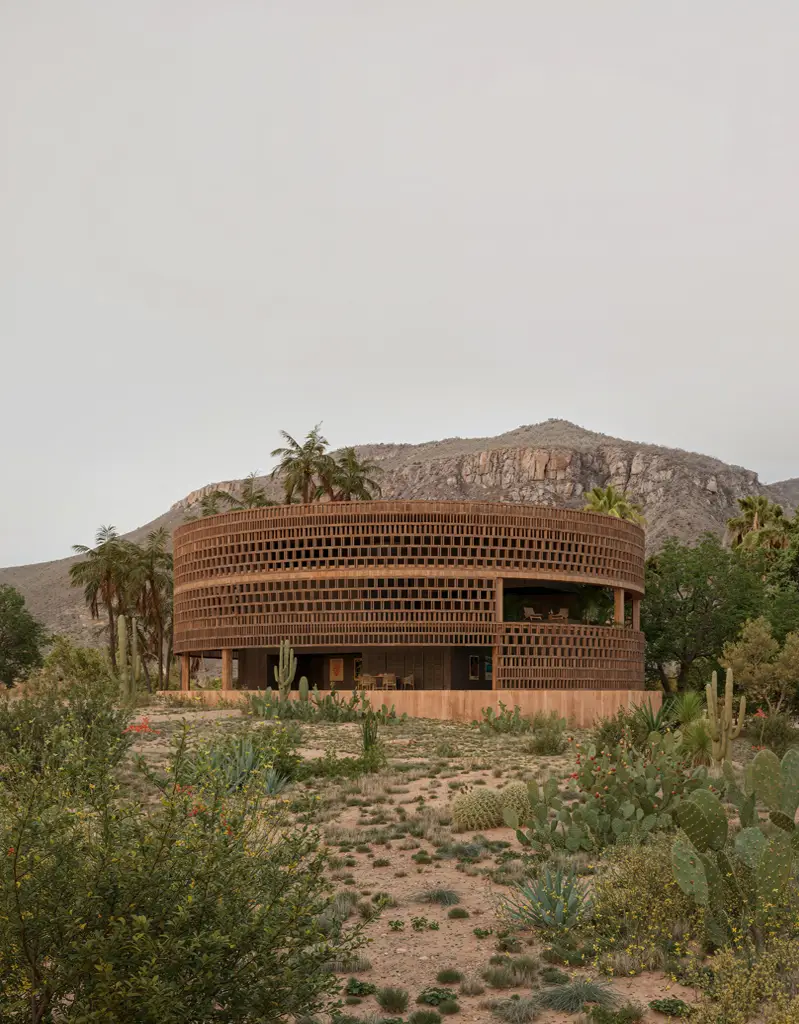
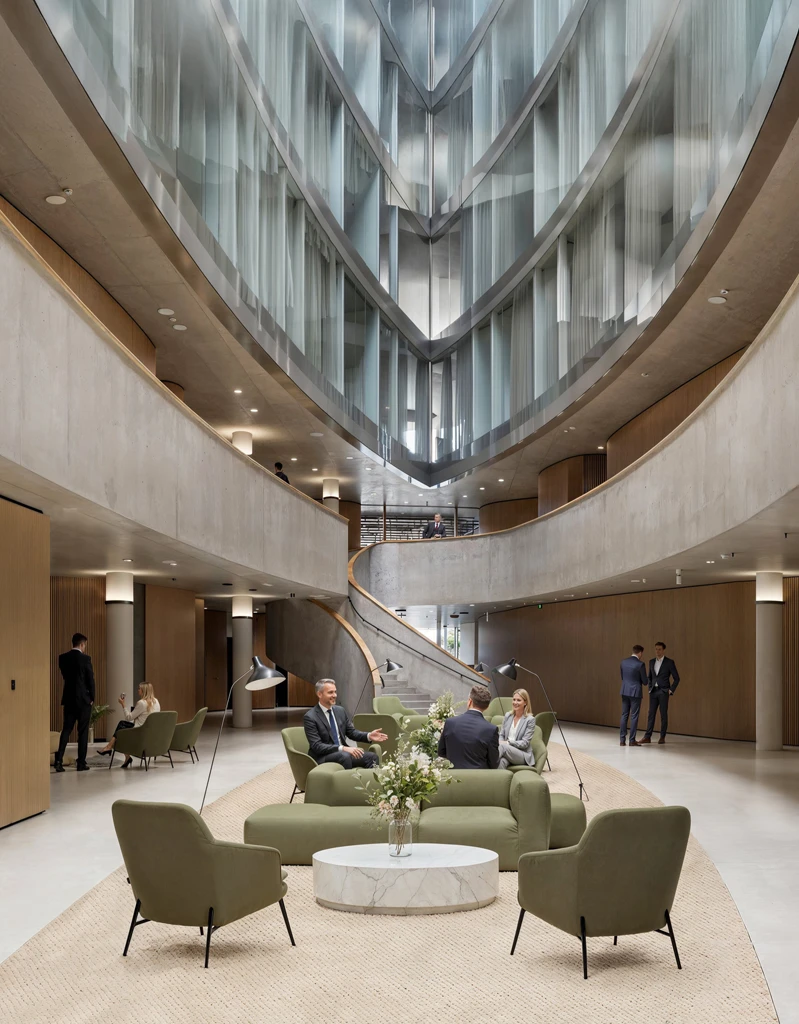
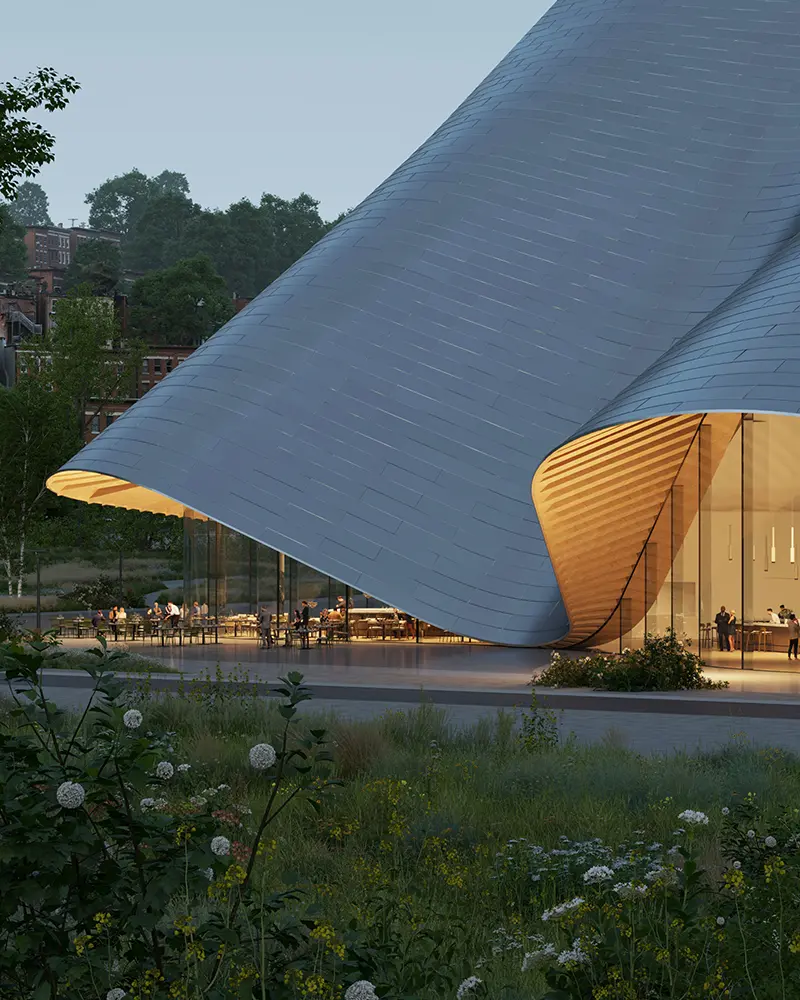
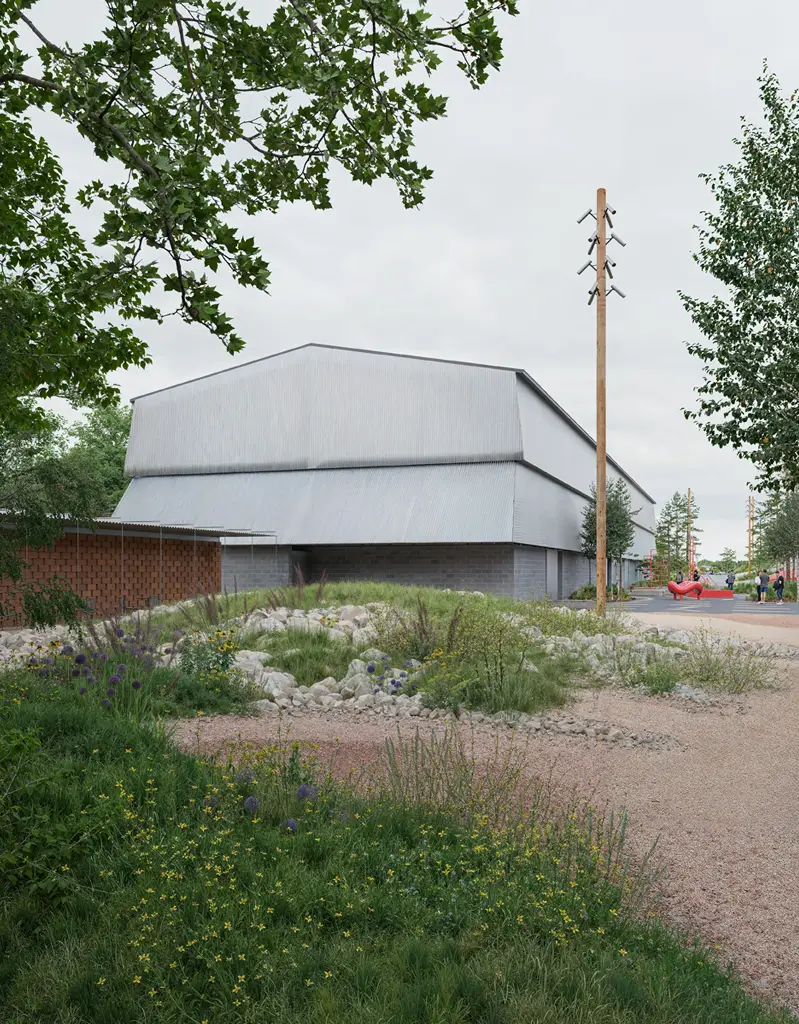
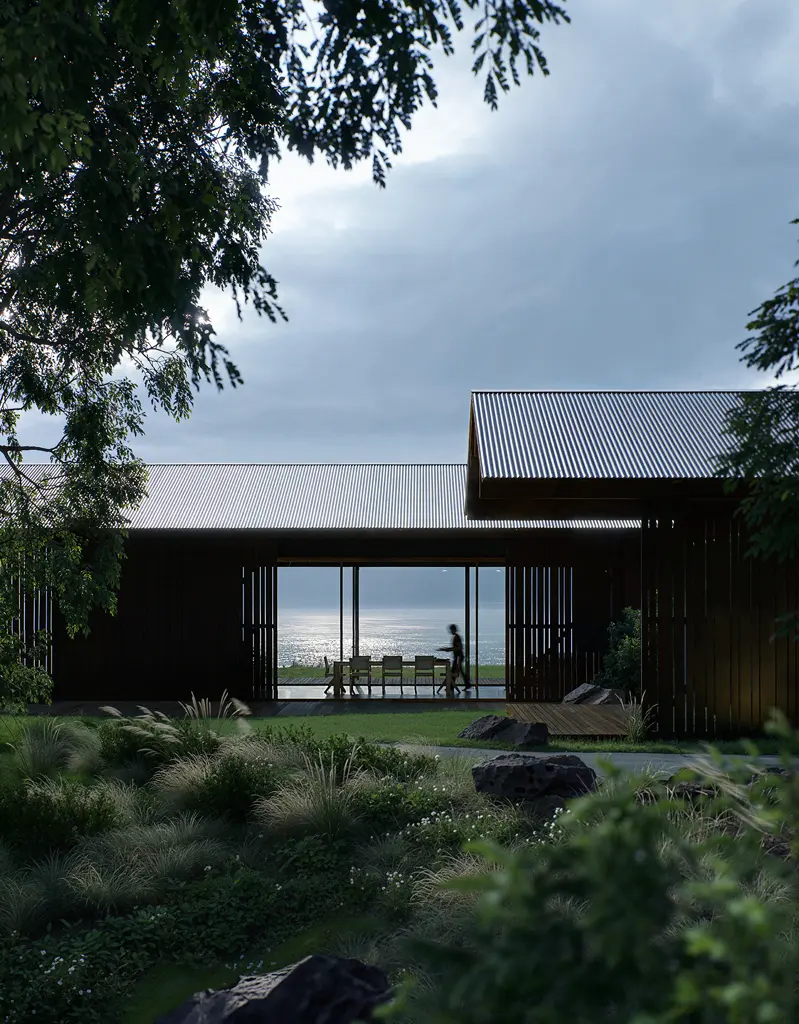
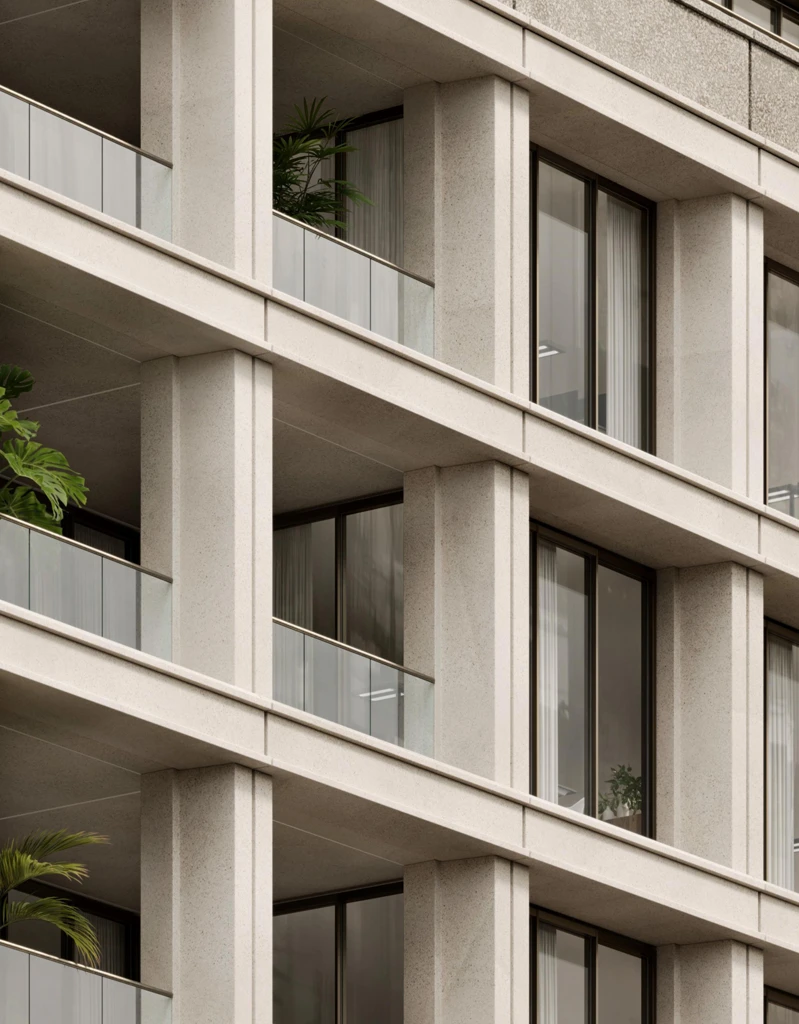
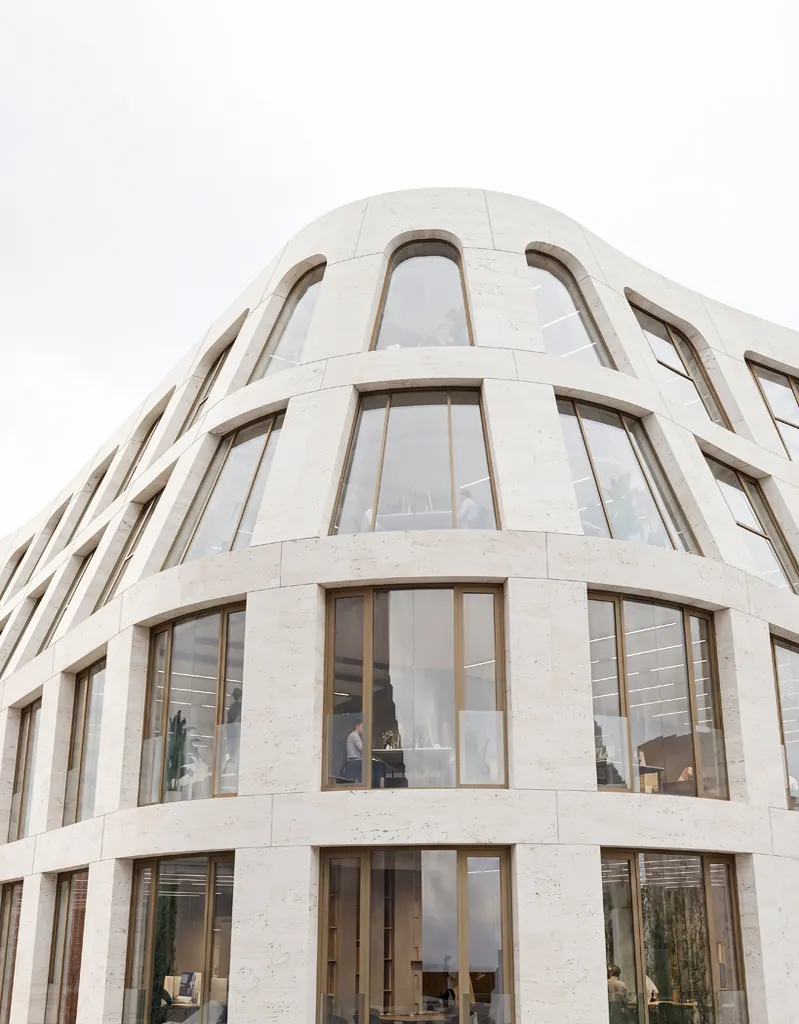
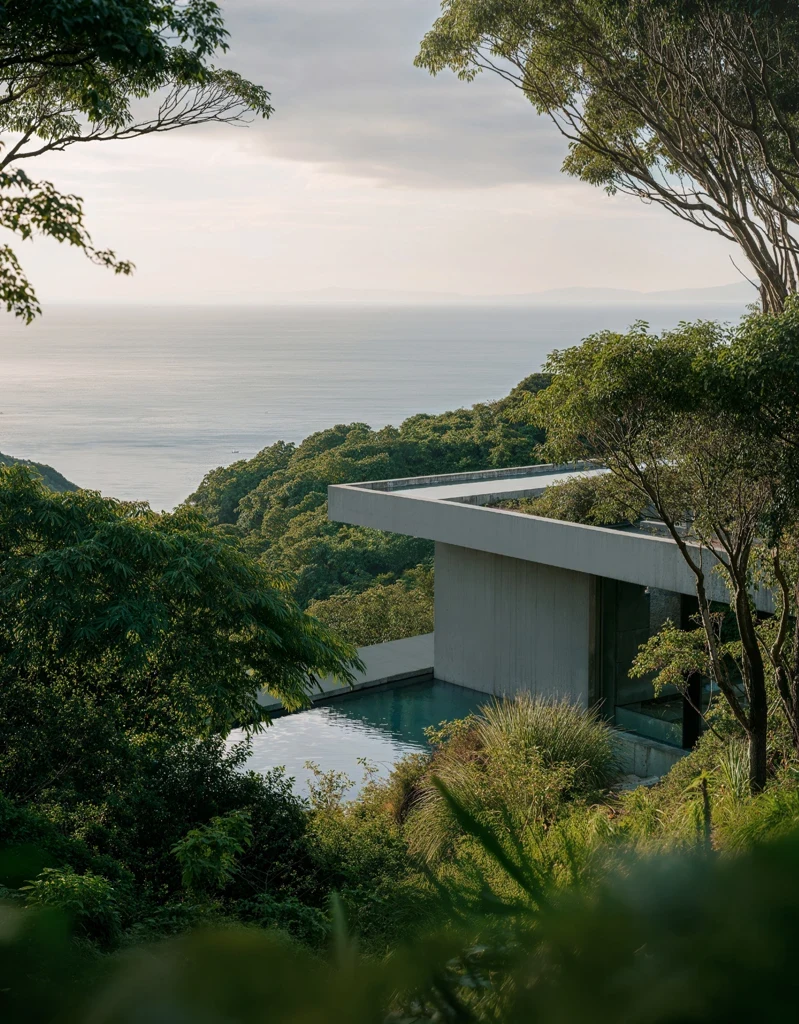
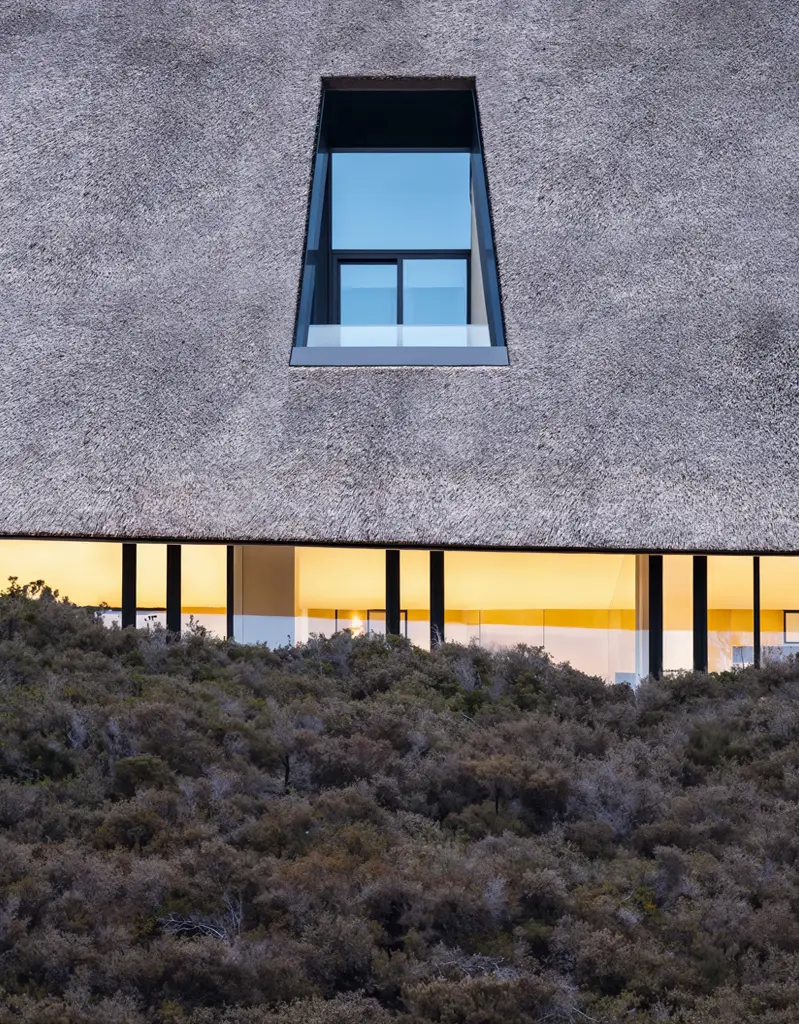
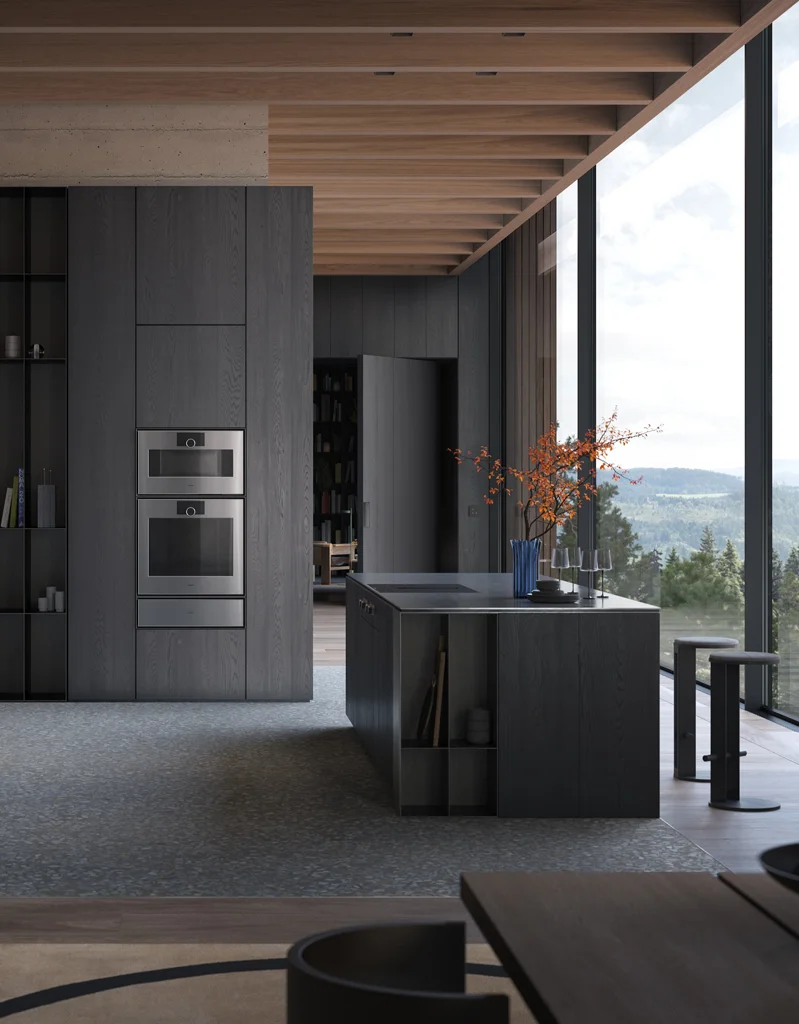
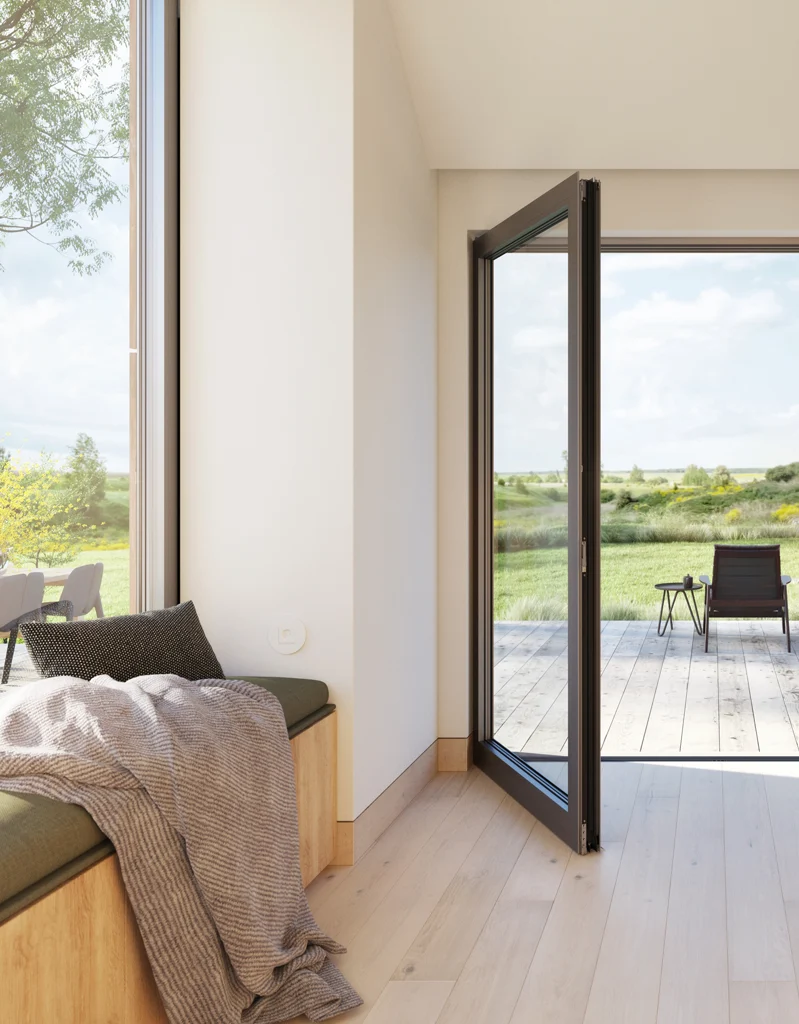
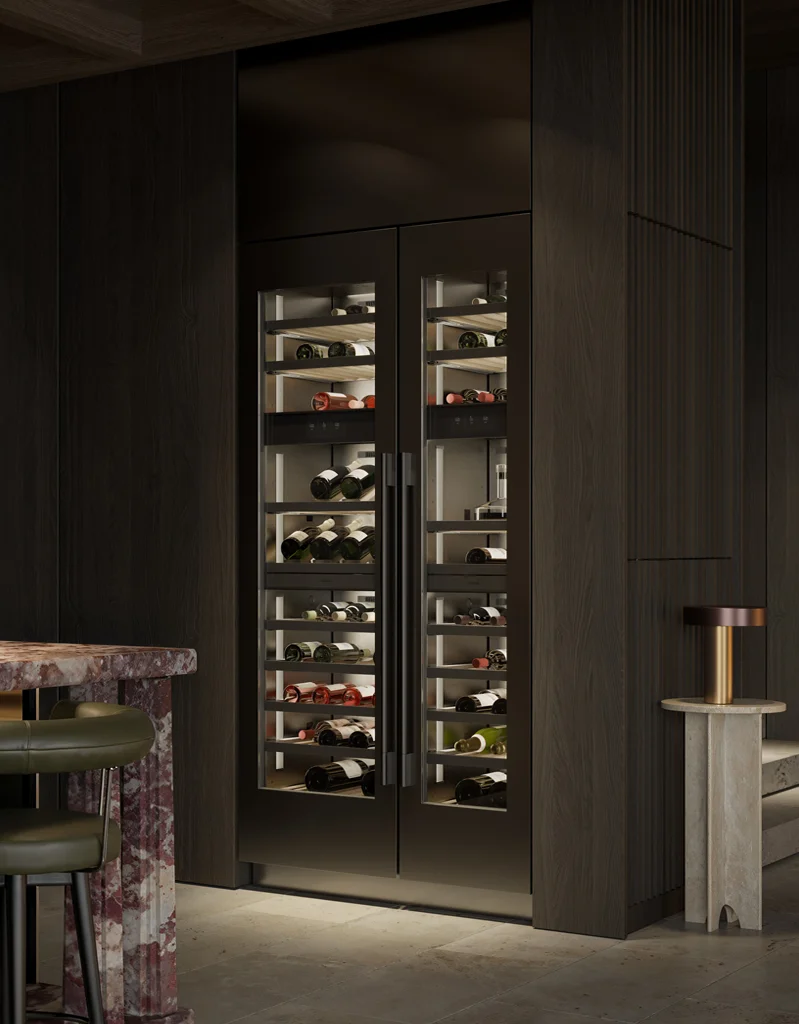
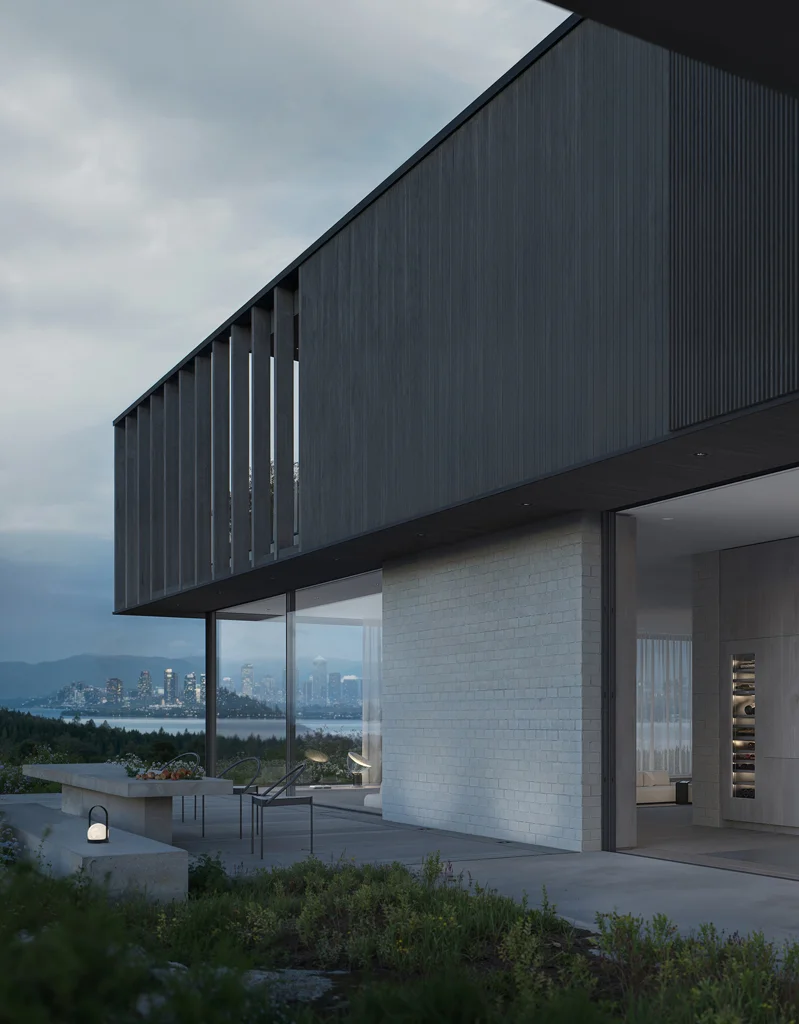
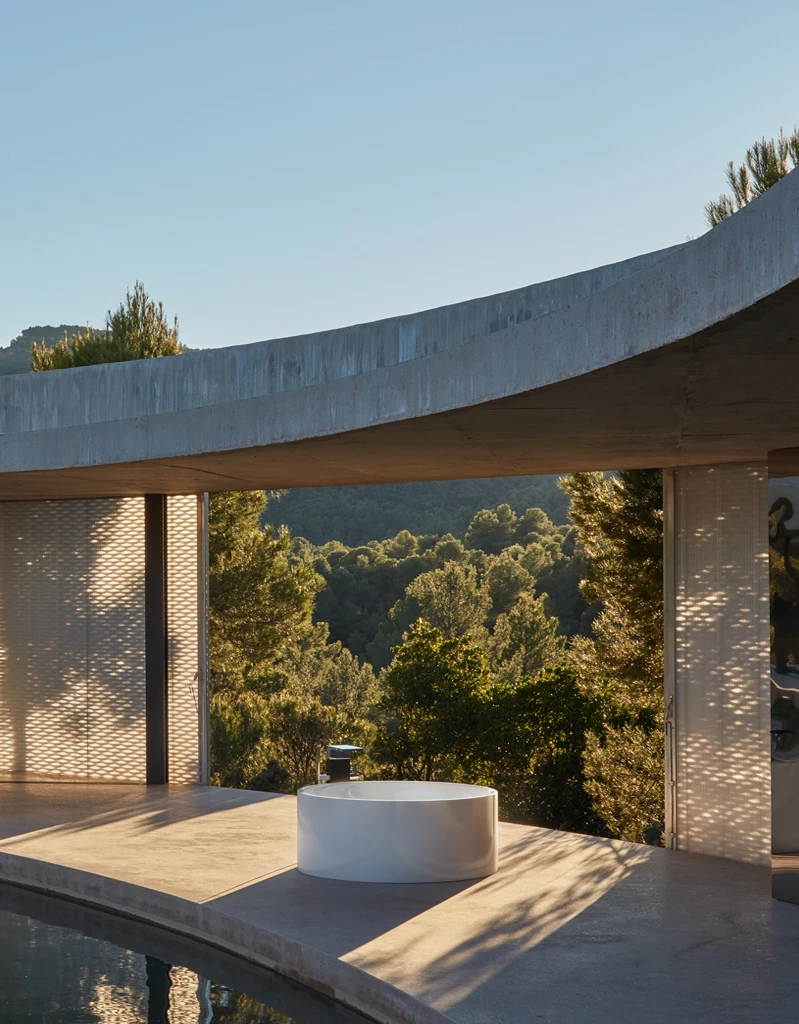
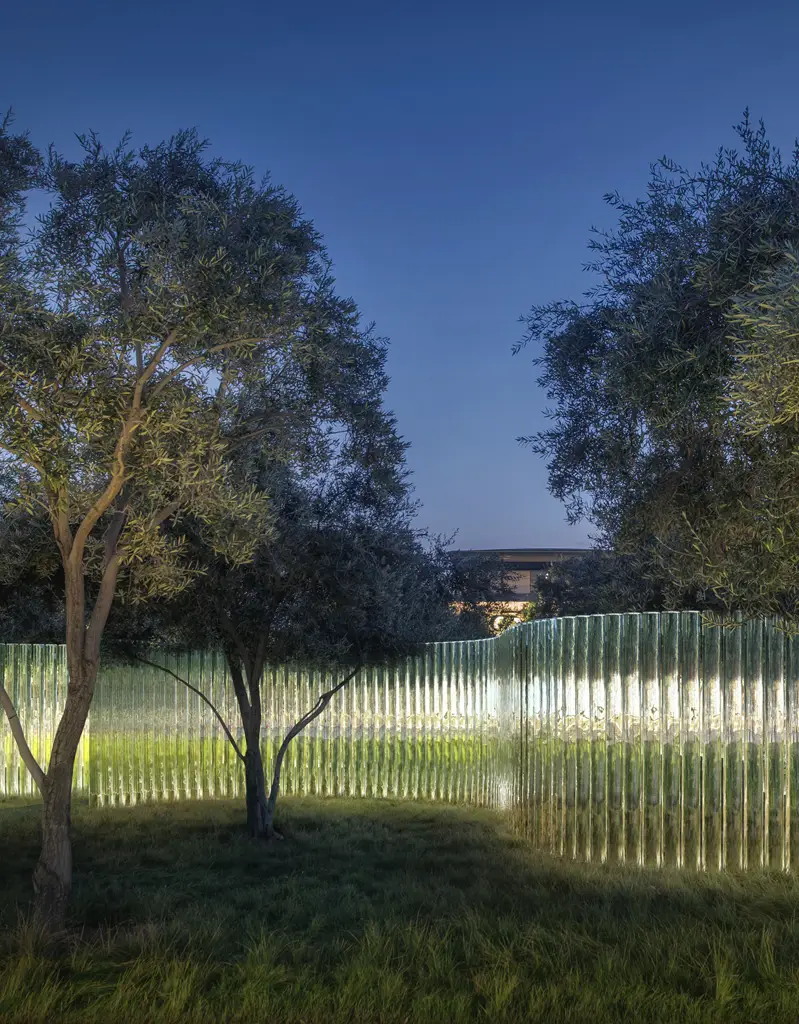
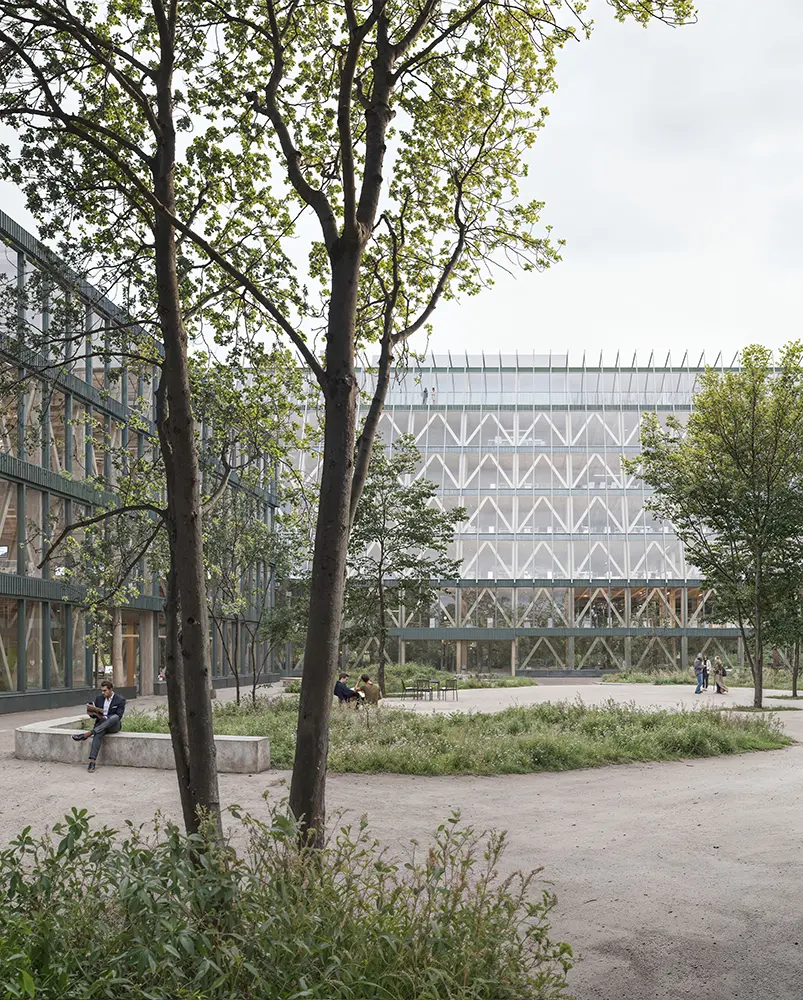
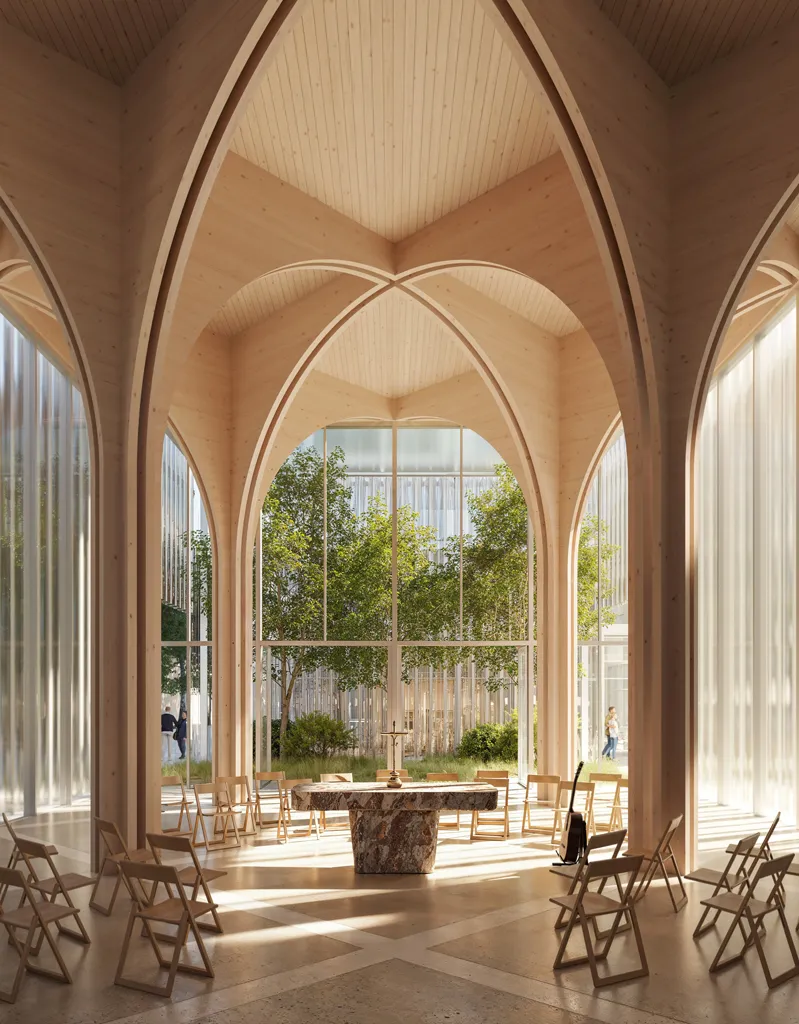
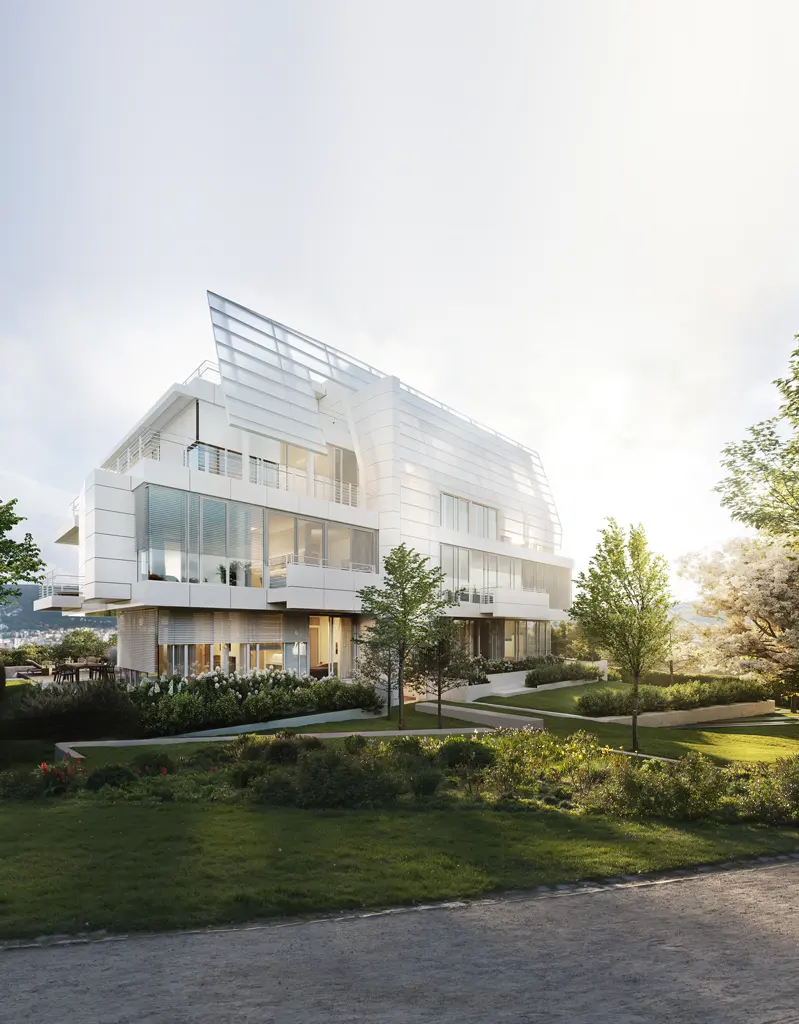
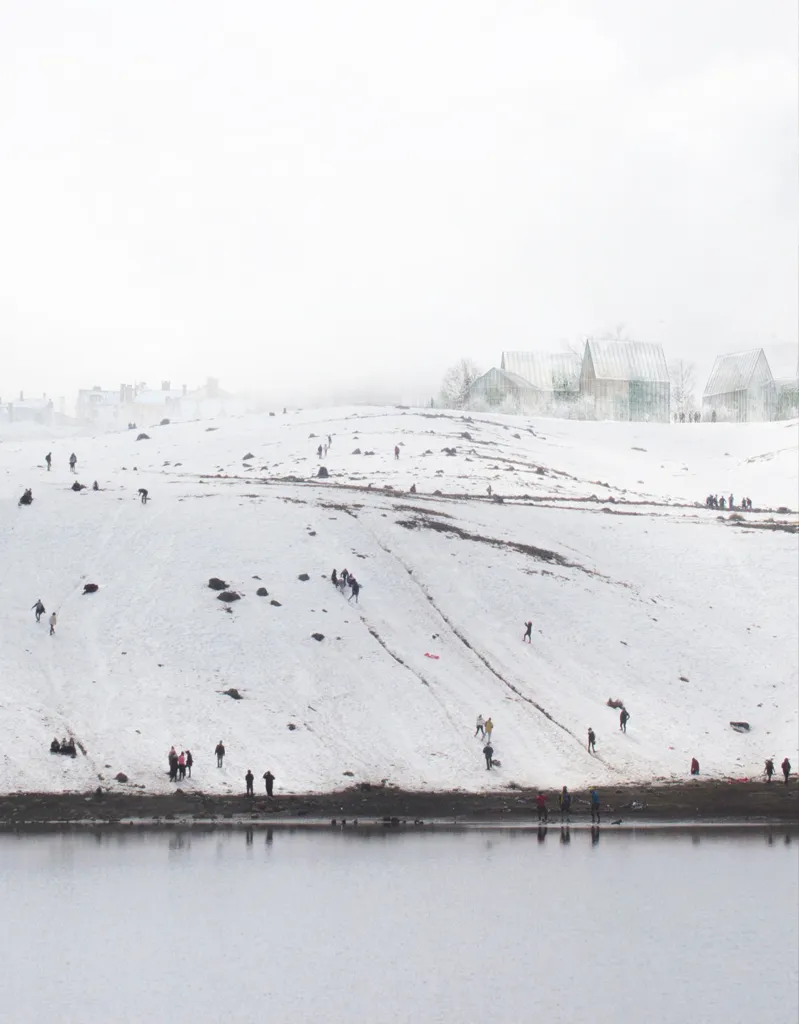
The building follows that same way of thinking. It sits along the ridge, shaped by the contours of the vineyard rather than set apart from them. From a distance, it stays low and quiet, letting the land hold the focus. Up close, the materials are simple and clear. Concrete, wood, and glass, each doing its job without trying to be anything else. Inside, the spaces are logical and calm. Light moves through them over the course of the day, changing how things feel without changing the structure itself. Openings are placed carefully, giving you a view when it matters and holding it back when it doesn’t. The building supports what happens there, from tasting to gathering, without pulling attention away from the landscape. It feels like part of the vineyard, not something imposing its own influence onto it.
Terroir refers to the total natural environment that drives the process of making wine. It starts with the land and everything that touches it. The slope of the ridge, the soil beneath it, the weather that moves through year after year. The vines take all of that in without filtering it, carrying the character of the place into the grapes. From there, the process stays close to what already exists. Fermentation is active and unpredictable, a natural chain of reactions that can’t be fully controlled or broken down into simple parts. The role of the winemaker is to guide it just enough, to keep things on track without forcing an outcome. What matters is recognizing when the wine has found its balance, and protecting that moment as it moves into the bottle. Each vintage comes from the same ground, but no two are the same. Over time, the work builds a record of the place itself, not as an idea, but as something lived and repeated, season after season.